
10 foods that increase blood in the body
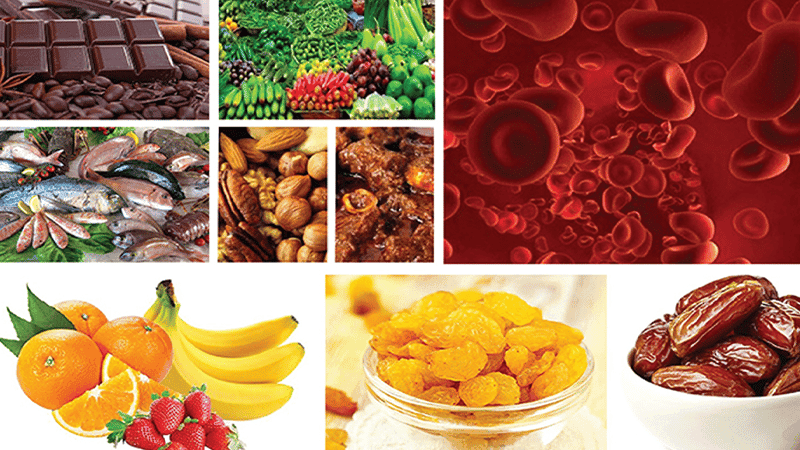

Blood plays an immense role in keeping the body healthy. It not only supplies oxygen to various organs but also carries nutrients, hormones and immune-boosting components. However, when haemoglobin levels in the blood drop, anaemia sets in. This leads to weakness, dizziness, shortness of breath, increased heart rate, cold hands and feet, pale skin and fatigue from minimal exertion.
According to the World Health Organisation (WHO), anaemia is a major health issue among children, adolescents, pregnant women and women of reproductive age worldwide. In Bangladesh, many people suffer from this condition due to malnutrition and iron deficiency.
Experts say insufficient iron, folic acid, vitamin B12, vitamin C and protein in the body disrupt haemoglobin production. Therefore, it is essential to bring changes not only in medication but also in daily dietary habits.
Why is haemoglobin important?
Haemoglobin is a special protein in red blood cells, with iron as its core component. It carries oxygen from the lungs to every cell in the body and returns carbon dioxide from the cells back to the lungs. Maintaining normal haemoglobin levels is therefore critical to keeping every organ functioning.
10 foods that help increase blood in the body
1. Red meat and liver: Beef and mutton, especially liver, are among the best sources of iron. The 'heme iron' found in them is easily absorbed by the body. However, those with high cholesterol or heart disease risk should consume them in moderation.
2. Vitamin C-rich fruits: Oranges, sweet limes, lemons, mangoes, guavas, kiwis, strawberries, pineapples and pomegranates are packed with vitamin C. This vitamin helps the body absorb iron from food. So it is beneficial to eat a vitamin C-rich fruit alongside iron-rich foods.
3. Seafood and shellfish: Oysters, clams, mussels, marine fish and prawns contain iron as well as zinc, vitamin B12 and high-quality protein, all of which play important roles in blood production.
4. Pulses and legumes: Chickpeas, lentils, mung beans, soybeans, kidney beans and various types of beans are rich in iron and plant-based protein. These are highly beneficial for vegetarians.
5. Whole grains: Brown rice, oats, wheat, barley and brown rice help meet the body's iron needs. At the same time, they provide sustained energy and aid digestion.
6. Green leafy vegetables and other vegetables: Spinach, red spinach, water spinach, Indian spinach, broccoli, beetroot, tomatoes and pumpkin contain iron, folic acid and various antioxidants. Regular consumption of vegetables keeps the blood production process active.
7. Eggs: Eggs contain iron, vitamin B12, folic acid and high-quality protein. One boiled egg daily can play a significant role in meeting nutritional needs.
8. Dried fruits: Dates, raisins, figs, apricots and prunes are good sources of iron, potassium and fibre. They can be helpful in reducing anaemia.
9. Nuts and seeds: Cashews, almonds, peanuts, walnuts, sesame seeds, pumpkin seeds and sunflower seeds contain iron, healthy fats and vitamin E. Eating them regularly boosts overall nutrition.
10. Dark chocolate: Dark chocolate with high cocoa content contains iron, magnesium and antioxidants. However, it is also high in calories, so it is best consumed in moderation.
It is not just about iron
Many believe that eating iron-rich foods alone will increase blood levels. But it is not that simple. The body needs vitamin C for iron absorption. Also, drinking too much tea or coffee with meals reduces iron absorption. So it is better to have tea or coffee at least one hour before or after an iron-rich meal.
Those who need to be more cautious
Pregnant women
Adolescent girls and menstruating women
Growing children and teenagers
Those suffering from long-term malnutrition
Patients with chronic kidney or intestinal diseases
When to consult a doctor?
If weakness, dizziness, shortness of breath, unusual fatigue, palpitations or low haemoglobin persists for a long time even after eating properly, medical advice is essential. A blood test may be needed to determine the cause. Not all anaemia is due to iron deficiency alone—vitamin B12 or folic acid deficiency, chronic disease or blood loss may also be responsible.
Leave A Comment