

42 US aircraft lost or damaged in Iran conflict
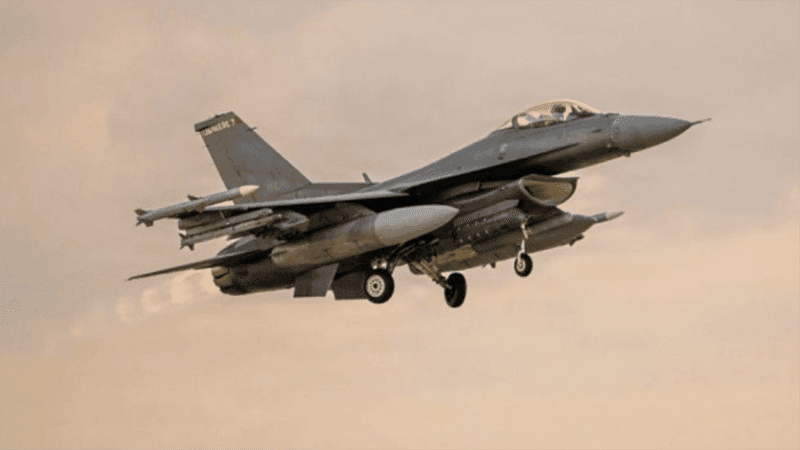

A total of 42 US military aircraft have been lost or damaged during "Operation Epic Fury" against Iran, driving the total cost estimate for the military campaign up to a staggering $29 billion.
The report, updated on 13 May, reveals that the Pentagon's financial requirements have surged significantly due to refined estimates for the repair and replacement of high-value equipment, according to a report by the Congressional Research Service (CRS).
The conflict, initiated on 28 February by the United States in coordination with Israel, has involved intense air, maritime, and missile engagements across the Middle East.
While combat activity declined following an April ceasefire, strikes have recently resumed, leaving the regional security situation highly fluid, as per the CRS report.
According to compiled military statements and intelligence updates, the 42 listed fixed-wing and rotary-wing assets include manned fighter jets, refuelling tankers, and uncrewed drones. Among the documented combat losses are three F-15E Strike Eagle fighter aircraft shot down by friendly fire over Kuwait on 2 March, from which all six aircrew safely ejected.
A fourth F-15E was destroyed during combat operations over Iran on 5 April, while an F-35A Lightning II suffered damage from Iranian ground fire on 19 March.
Additionally, an A-10 Thunderbolt II ground-attack aircraft crashed and was destroyed on 3 April during a search-and-rescue operation after being struck by enemy fire, states US Naval Institute (USNI).
Two KC-135 Stratotanker aerial refuelling aircraft were involved in an incident over friendly airspace on 12 March, resulting in one crashing in Iraq -- killing all six crew members -- and forcing the second to make an emergency landing.
Furthermore, an Iranian missile and drone attack on Prince Sultan Air Base in Saudi Arabia on 14 March damaged five additional KC-135 tankers on the ground, alongside an E-3 Sentry airborne early warning and control system (Awacs) aircraft that had been parked on an unprotected taxiway.
The sharp accumulation of asset losses has sparked serious oversight concerns within the US Congress regarding global force sufficiency and industrial capacity.
Lawmakers are currently assessing whether the US Department of Defense has provided an adequate accounting of these losses, amid fears that gaps in limited, aging high-demand platforms like the E-3 Sentry could create severe capability deficiencies in other global military theatres, says USNI.
The CRS noted that current supply chains and production lines face competing foreign military sales constraints, which may severely hamper the Pentagon's ability to rapidly replace lost aircraft and regenerate its operational capacity in contested environments.
Leave A Comment
You need login first to leave a comment