
AI to decode animal language: Humans may communicate by 2030
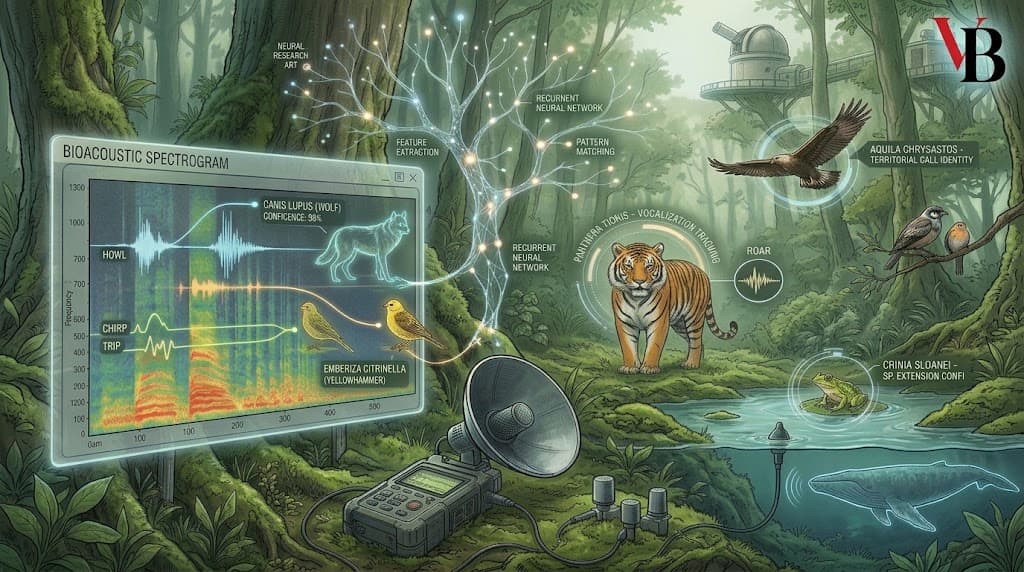

Artificial intelligence is no longer limited to analysing human language. AI technology is now being used extensively to decode the communication signals of the animal kingdom. If successful, this research could open a new door for communication between humans and other animals in the future.
According to a Bloomberg report, researchers are using machine learning technology to analyse vast collections of animal sounds and calls. AI is detecting hidden signals within thousands of recordings that are nearly impossible for the human ear to decipher. Research is being conducted on various animals, including crows, whales and wolves.
AI decodes crow language
Biologist Vittorio Baglione has been researching carrion crows in Spain for nearly three decades. In 2018, he and his colleague Daniella Canestrari fitted 43 crows with tiny microphones. Through this, they gathered around 150,000 audio files from adult and juvenile crows, amounting to thousands of hours of recordings. Using a special AI model developed by the Earth Species Project, researchers were able to isolate specific crow calls from this vast dataset.
Can humans talk to animals?
The potential scope of this research is extensive. Researchers are combining audio and visual data with animal behaviour to discover new patterns. Jeremy Coller, a prominent supporter of this research, has predicted that two-way communication between humans and animals might become possible by 2030.
However, animal communication is far more complex than human speech. Animals use scent, body colour, gestures and even sonic waves in addition to sound. Therefore, translating only sounds is not enough; AI must simultaneously understand the animal's environment and overall behaviour.
Beyond crows: Research on whales and primates
The Earth Species Project is not alone in this endeavour. Similar research is being conducted on humpback whales in the Pacific and great apes in captivity. Scientists have observed that whales use distinct sequences of clicks and songs that appear to carry meaning, while primates have been found to use specific vocalisations to warn others of predators. By applying AI algorithms to these species, researchers hope to identify grammar-like structures in their communication, potentially unlocking a deeper understanding of their social intelligence and emotional lives.
Potential risks of this technology
Experts have also warned about the potential downsides of this groundbreaking advancement. Cesar Rodriguez-Garavito, director of the 'More-Than-Human Life' programme at New York University, cautioned that once animal communication is understood, AI could be used to manipulate or control them on a large scale for commercial purposes, which could cause severe harm to the animal kingdom.
Leave A Comment