
Anthropic agrees to $150mn copyright settlement over AI training

Artificial intelligence company Anthropic, the developer of the Claude chatbot, has agreed to pay $150 million to settle a landmark copyright lawsuit over allegations that it used thousands of copyrighted books without permission to train its AI models.
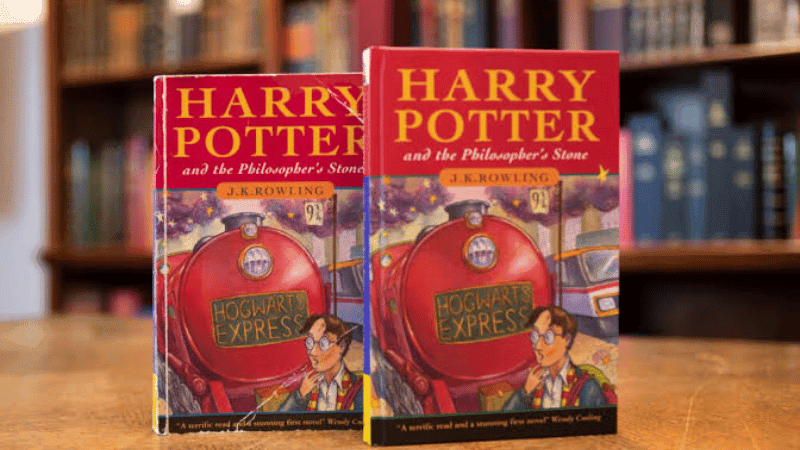
The settlement marks one of the largest copyright resolutions involving generative AI to date and is expected to significantly benefit Bloomsbury Publishing, the British publisher behind the globally renowned Harry Potter series.
According to court filings, Bloomsbury's 14,087 copyrighted titles were included in the class-action lawsuit. After deducting legal fees and administrative costs, the publisher is expected to receive approximately $19 million in compensation.
Bloomsbury said it will retain 50 per cent of the settlement amount, while the remaining half will be distributed equally among the authors whose works were covered under the agreement.
The London-based publisher expects to receive the payments in instalments during the second half of the current financial year.
The list of affected authors also includes internationally acclaimed writers such as Sarah J. Maas and Susanna Clarke.
The case originated in 2024, when bestselling thriller author Andrea Bartz and two other writers sued Anthropic, alleging the company had digitised and used thousands of copyrighted books to improve Claude's AI system without obtaining permission or compensating authors and publishers.
Under the settlement, Anthropic is not required to admit any wrongdoing. However, legal experts view the agreement as a major financial and legal setback for AI companies that rely on copyrighted content without licensing agreements.
During the proceedings, Anthropic argued that using lawfully acquired books for AI training fell under the "fair use" doctrine of US copyright law. As regulatory scrutiny intensifies worldwide, the company has recently entered into licensing agreements with several major publishers and media organisations to secure authorised access to content.
While the ruling is widely seen as a significant victory for the publishing industry, it does not resolve the broader legal dispute over whether AI developers can use copyrighted works without permission. Similar copyright lawsuits against OpenAI, the creator of ChatGPT, and Meta remain pending in US courts.
Leave A Comment