
Anthropic opens bio lab to explore AI-driven drug discovery
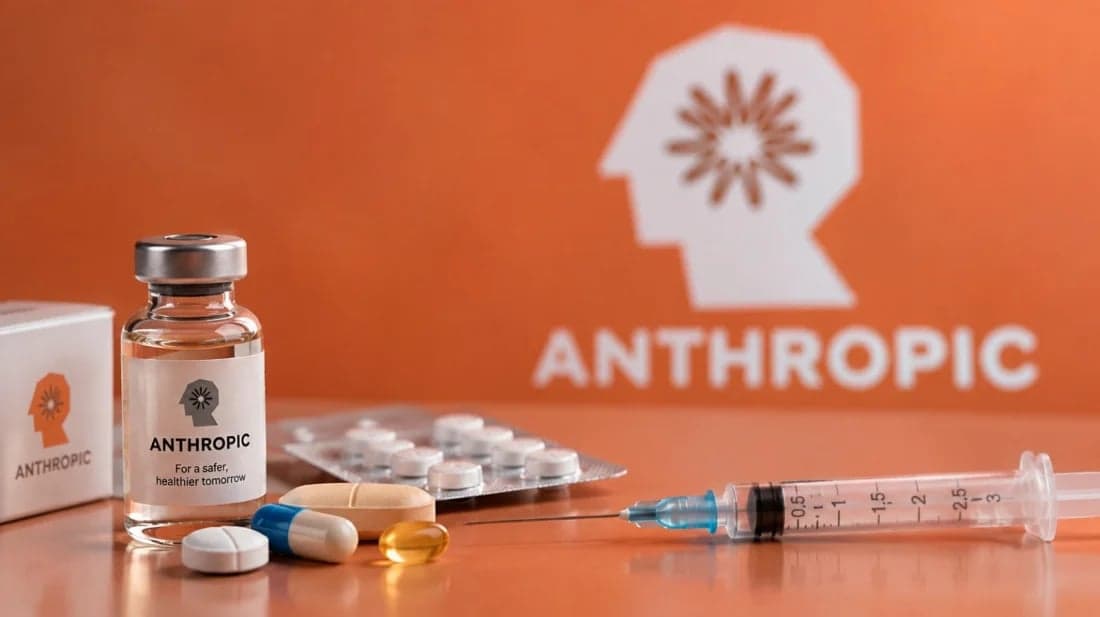

AI company Anthropic has opened its own biology laboratory in the San Francisco Bay Area as it expands into experimental life-science research and explores how artificial intelligence could accelerate drug discovery for rare and hard-to-treat diseases.
Eric Codener-Abrams, head of Anthropic’s life-sciences division, confirmed the laboratory’s operations on September 15.
The company, which has largely focused on computer-based research, will now conduct biological experiments at its own facility while also working with external partners when needed.
Anthropic first announced its plans to enter drug research in June. The company aims to use AI in early-stage research on diseases that attract relatively little attention from conventional drugmakers, particularly rare conditions for which developing treatments can be difficult and time-consuming.
The laboratory is also testing whether Anthropic’s Claude AI models can work with robotic equipment to automate experiments and reduce direct human intervention. Human oversight will remain in place throughout the process for safety.
In August, Anthropic introduced a “Model Hardware Standard” designed to make it easier for AI models to interact with different laboratory instruments through a common technical framework.
The company has also launched Claude for Science, connecting the AI platform to more than 60 scientific databases covering fields including genomics, proteomics and structural biology.
Anthropic has further acquired biotech firm Coefficient Bio in a deal involving about $400 million in stock and is working with major pharmaceutical companies. Employees at Bristol Myers Squibb and Roche’s Genentech have access to Claude for research and drug development. On September 16, Anthropic also announced a partnership with Danish pharmaceutical giant Novo Nordisk.
For now, Anthropic does not plan to conduct clinical trials itself. Instead, it aims to expand the use of AI in early-stage and preclinical research through partnerships with pharmaceutical and biotechnology companies rather than developing and commercialising medicines independently.
Leave A Comment