

Bangladesh now a nuclear power
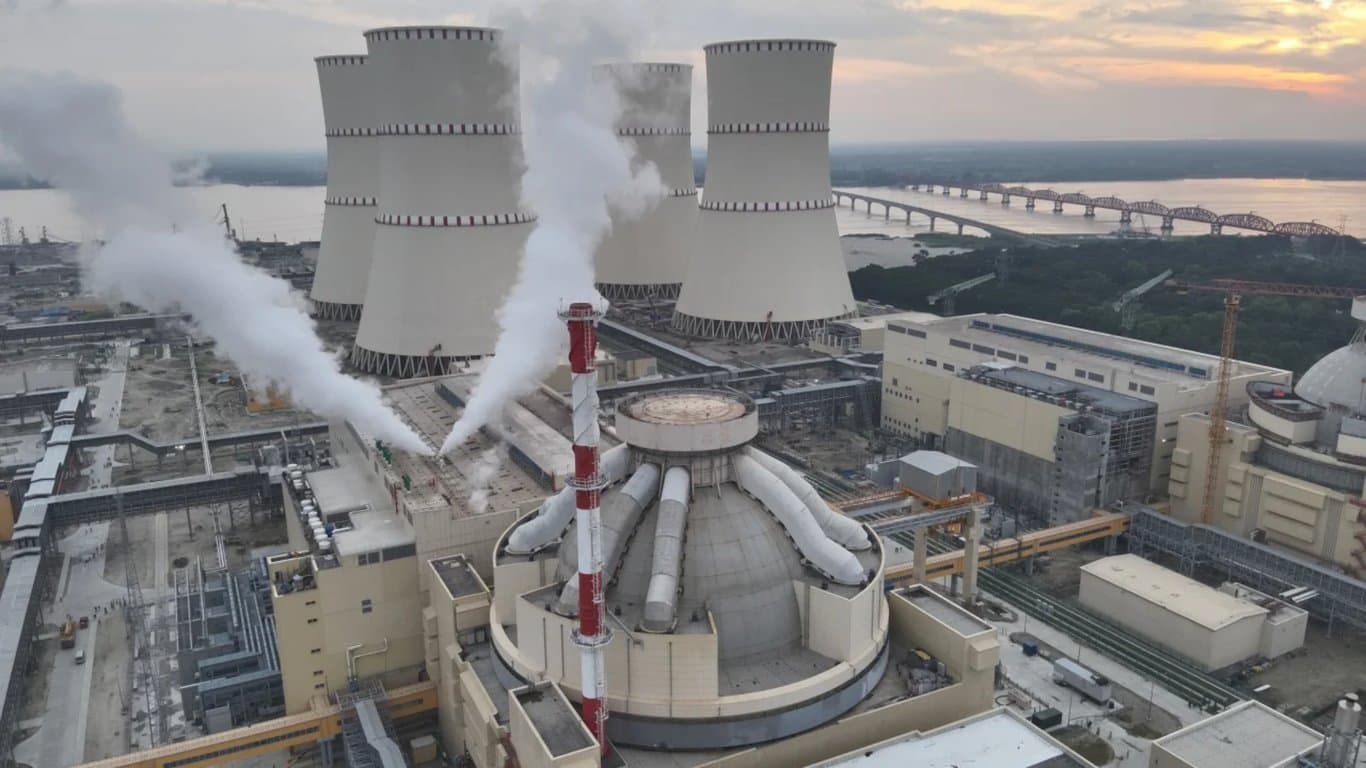

Bangladesh has embarked on a new chapter in the global energy landscape. The nation has officially transitioned into the realm of nuclear power generation with the introduction of uranium fuel to the inaugural unit of the Rooppur Nuclear Power Plant. It has now become the 33rd nation worldwide to attain this capability.
This achievement is not merely symbolic; it represents a crucial component of a meticulously planned, phased execution of the national energy strategy.
This initiative, located in Ishwardi, Pabna, embodies Bangladesh's long-cherished energy aspirations. Constructed at an estimated cost of approximately 12.65 billion US dollars, this power facility comprises two reactors, each capable of generating 1,200 MW, culminating in a total output of 2,400 MW.
According to relevant authorities, once fully operational, the plant is expected to provide around 10 percent of the nation's total electricity demand, significantly contributing to energy security. The project has reached the final phase of experimental production, marked by the commencement of fuel loading in the first unit on April 28.
This phase is deemed essential for initiating power generation. It is important to note that power generation does not commence immediately following fuel loading; instead, a lengthy process involving multiple stages of safety assessments, reactor initiation, and gradual power escalation must be adhered to. Should this process be successfully navigated, it is anticipated that power supply to the national grid may commence by mid-year.
In accordance with the government plan, the power generation from the initial unit will be incrementally increased. A preliminary target of approximately 300 MW of power has been established for supply to the national grid, representing about 25–30 percent of the total capacity. Subsequently, the intention is to progressively enhance production each month, aiming to achieve full capacity of 1,200 MW within a timeframe of 8 to 10 months.
As per the timeline, the initial power connection to the national grid is anticipated by July-August 2026, with the objective of reaching full power production by December, contingent upon the successful completion of all technical and safety assessments.
Concurrently, the second unit is also approaching its final phase, with plans to initiate fuel loading within the same year. Upon commissioning the second unit, an additional 1,200 MW of power will be integrated into the national grid. Consequently, the overall generation capacity of the Rooppur plant will total 2,400 MW, which is expected to induce significant structural changes within the country's electricity framework. A critical element of this project is its economic implications.
Despite the substantial initial investment, nuclear power proves to be relatively cost-effective over time. The high energy density of uranium fuel allows for the generation of considerable electricity from a minimal amount of fuel, thereby lowering production costs and ensuring a stable power supply in the long term.
Another significant factor is the continuous generation capacity. Nuclear power plants can operate around the clock, thereby ensuring production stability. The large-scale production results in a reduction of the average cost of electricity per unit, a phenomenon referred to as "economies of scale."
Furthermore, variations in oil and gas prices on the global market do not have a direct impact on electricity production, resulting in a relatively stable electricity price. From a technical perspective, the VVER-1200 reactor, developed by Russia's Rosatom, is being utilized in Rooppur. This modern pressurized water reactor technology prioritizes safety above all else. Each unit is capable of producing approximately 1,200 megawatts of electricity. It is equipped with an automatic shutdown system, a passive cooling system, and a multi-level containment structure, all of which significantly mitigate the risk of accidents.
This technology is designed to provide continuous electricity generation for an extended period, typically between 60 to 90 years. The final cost per unit of electricity generated at Rooppur has yet to be established. Nevertheless, various analyses indicate that it may average between Tk4 to 4.5 per unit, particularly during the first two decades.
Additionally, some international evaluations suggest that the cost could range from Tk8 to 10, influenced by factors such as debt, maintenance, and operational expenses. Experts are optimistic that, with effective long-term management, this electricity could emerge as one of the most economical sources of power in the country.
Bangladesh University of Engineering and Technology (BUET) Professor Dr. Iqbal Mahmud told Views Bangladesh, “The Rooppur project will enhance the country’s technological capabilities and create opportunities for a new generation of scientists and engineers.” He said that the biggest challenge now is to build nuclear safety and skilled human resources.
Professor Dr. AKM Fazlul Bari, Director of the National Institute of Nuclear Medicine and Allied Sciences (NINMAS), told Views Bangladesh, “This project will also strengthen Bangladesh’s diplomatic position. Through cooperation with Russia, the country has forged a new strategic partnership, which will pave the way for more technological cooperation in the future.”
He said, “Nuclear energy is being considered as an important option to reduce carbon emissions worldwide. Bangladesh is also joining that trend and moving towards clean energy. Those concerned say that if this initiative is successfully implemented, it will be possible to build a sustainable energy system combining renewable energy and nuclear energy."
Minister for Science and Technology Fakir Mahbub Anam Swapan, referring to the Rooppur Nuclear Power Plant as a historic advancement in the energy sector of Bangladesh, said, "With the commissioning of the power plant, the country has entered the era of electricity generation from nuclear energy for the first time, which will play an important role in ensuring energy security.
The minister further said, "This plant will provide uninterrupted and stable electricity, which will accelerate the overall growth of the industrial sector, agriculture and economy."
He emphasized that maximum safety is being ensured by following international standards and special importance has been given to developing skilled manpower.
According to him, in the long run, this project will ensure affordable electricity for the country and reduce the pressure on imported energy. Besides, it will increase Bangladesh's technological capabilities and further strengthen the country's position in the world.
Leave A Comment
You need login first to leave a comment