
Can boiling milk remove microplastics? Here's what experts say
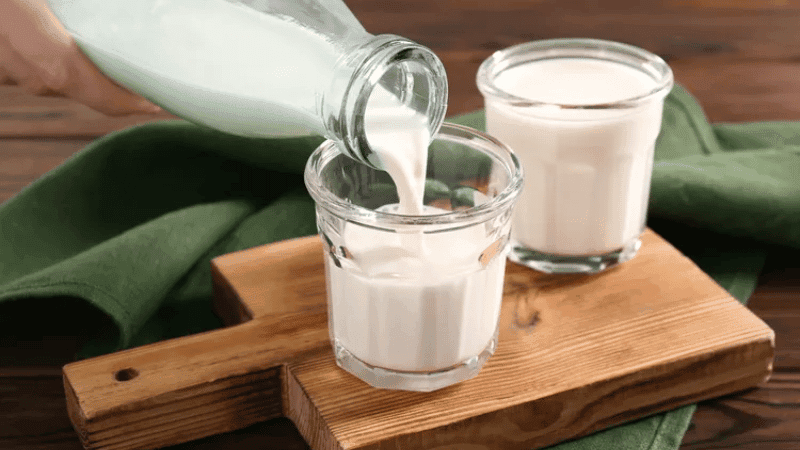

The recent discovery of microplastics in every tested sample of milk and dairy products available in Bangladesh has raised widespread concern among consumers. One of the most common questions is whether boiling or filtering milk can remove these plastic particles. According to experts, the answer is largely no.
A 2024 study by Chinese researchers found that boiling mineral-rich tap water for several minutes and then filtering it could remove up to 90% of micro- and nanoplastics. However, that research focused solely on water—not milk—and experts say the same method does not work for dairy products.
Boiling milk can kill harmful bacteria, but it does not destroy or remove microplastic particles.
Likewise, ordinary household filters are unable to trap most of these particles because they are extremely small and often fiber-shaped.
Some consumers may consider switching to raw milk, but researchers caution that this is not necessarily a safer alternative.
While raw milk may contain fewer microplastic particles than commercially processed milk, the types of plastics detected in raw milk were classified as potentially higher risk. In addition, raw milk carries the risk of bacterial contamination if it is not properly heat-treated.
Researchers believe much of the contamination occurs during milk collection, transportation, processing, packaging, and through contact with plastic pipes and equipment. As a result, reducing the amount of plastic that comes into contact with milk at home is considered a sensible precaution.
Experts recommend avoiding heating milk in plastic containers or using plastic utensils in microwaves.
Instead, storing and serving milk in glass or stainless-steel containers can help minimize additional plastic contamination. However, these measures do not remove microplastics that are already present in the milk.
Children are considered particularly vulnerable because they consume more milk relative to their body weight. Researchers advise parents to reconsider the practice of pouring hot milk into plastic feeding bottles, sippy cups, or plastic containers.
Studies have already detected microplastics in human blood, various organs, and even breast milk. Laboratory research has linked microplastics to inflammation, oxidative stress, and cellular damage, while chemicals associated with plastics—such as bisphenol A (BPA) and phthalates—are known to interfere with hormones.
However, scientists have not yet established a direct causal link between microplastics and any specific disease, nor has an internationally accepted safe exposure limit been determined.
Experts emphasize that the solution lies not in consumers' kitchens but in improving the dairy supply chain.
Reducing plastic use during milk production and processing, introducing advanced filtration technologies, and strengthening quality control are considered the most effective long-term measures.
Despite the findings, experts do not recommend avoiding milk altogether.
Milk remains an important source of protein, calcium, and other essential nutrients. Instead, the study highlights the need for stronger food safety measures and greater efforts to reduce plastic contamination throughout the production and distribution process.
Leave A Comment