
ChatGPT enters healthcare with new health advice feature
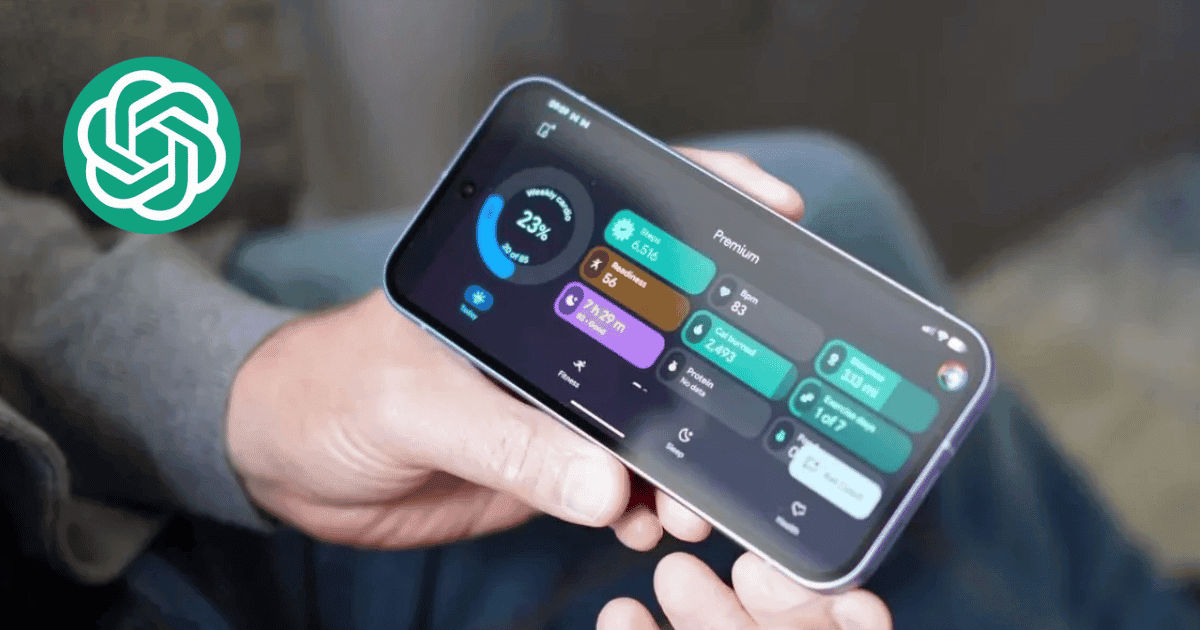

ChatGPT will be able to analyse health and fitness data stored on smartwatches and smartphones to provide users with personalised advice. The new feature will offer insights into sleep patterns, walking habits, exercise routines and daily physical activity.
According to a report by technology news outlet TechRadar, OpenAI has expanded the health capabilities of its artificial intelligence-powered service, ChatGPT. The expansion also makes the feature accessible through Android smartphones and desktop computers. Android users will be able to connect data from various fitness apps and smartwatches to ChatGPT through Google's Health Connect system.
Smartwatches and fitness devices typically collect information about users' daily steps, sleep duration, exercise routines and physical activities. However, interpreting these figures and using them to make lifestyle changes can be challenging for many people. The new feature will allow ChatGPT to explain the data in simple language and offer relevant recommendations.
How to connect health data
To use the new feature, Android users need to install the latest version of the ChatGPT app. They can then access the health feature through the app's sidebar or search section and connect it to Google's Health Connect system.
At this stage, users will be able to choose which types of health information they want to share with ChatGPT. Once permission is granted, the service can access and analyse data from connected fitness apps.
Users of devices such as Garmin smartwatches and Oura Rings will also need to enable data sharing between the respective apps and Google's Health Connect system. The extent of ChatGPT's analysis will depend on the types of information collected by each device.
Insights into sleep and exercise habits
The new feature will allow users to ask questions about their daily routines. ChatGPT will be able to analyse differences in sleep duration between weekdays and weekends, as well as whether users tend to sleep more or less after days involving greater physical activity.
For those looking to develop a regular walking habit, the service can identify which days of the week offer more opportunities for longer walks. It can also suggest alternative times for exercise when busy schedules make it difficult to stick to a planned routine.
Privacy concerns over personal data
Privacy is an important consideration when connecting personal health information to artificial intelligence services. A combination of data on sleep, physical activity and daily habits can reveal detailed insights into an individual's lifestyle.
OpenAI says personal information accessed through the health feature is not sold. Users can decide which information and accounts they want to connect to ChatGPT. However, if the personal memory feature is enabled, information from health-related conversations may also be stored there. Users are therefore advised to review their privacy and data usage settings before connecting their information.
Data collected by smartwatches and fitness devices may not always be accurate. Errors in device measurements could also affect ChatGPT's analysis. Moreover, a correlation between two events does not necessarily mean that one causes the other. For example, even if users appear to sleep less after exercising more, other factors may be responsible.
OpenAI has clarified that the feature is not a substitute for medical professionals and is not designed to diagnose illnesses or provide treatment. Its purpose is to help users understand their personal health information and make informed decisions about seeking healthcare.
According to the report, the feature will be gradually rolled out to ChatGPT users aged 18 and above in the United States, including those on free and paid plans. As a result, it may not become available to all eligible accounts at the same time. While the service is being expanded to desktop and Android platforms, access to some advanced features may require a paid subscription.
Leave A Comment