

Coordination in relief distribution is essential
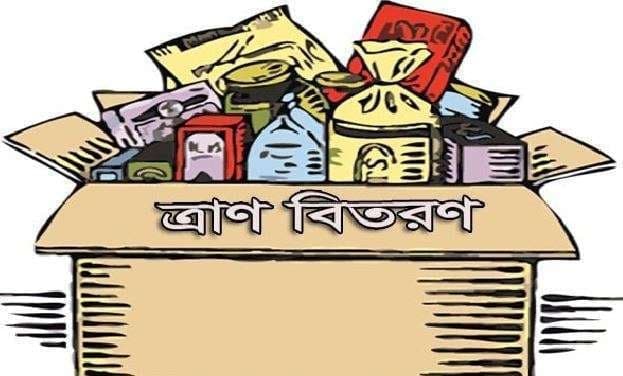

The ongoing severe floods in 11 districts of the country have demonstrated an unprecedented level of activism and humanitarian spirit among the people. Particularly noteworthy is the organizational efficiency shown by students. In response to the students' immediate calls for relief, the general public spontaneously contributed. The TSC premises were filled with relief materials, and on August 21-22, there was barely any space for vehicles to move in front of TSC. Truckloads of relief were dispatched to areas like Feni and Comilla. The general public and various organizations have also taken commendable initiatives in collecting and distributing relief.
People have rushed to the flood-affected areas with boats, trawlers, speedboats, food, medical supplies, and other essential items according to their abilities. However, over the past three to four days, reports have emerged of a lack of coordination in the distribution of relief. People in remote, affected areas are not receiving aid, while those closer to relief centers are receiving multiple rounds of assistance. Volunteers from various organizations are reaching the same areas with relief, leading to duplication of efforts.
According to reports published in the media yesterday (August 28), flood-affected people have complained that those living along the roads and in nearby shelters are receiving relief multiple times, but remote areas are not receiving enough aid. The lack of coordination in relief distribution is primarily responsible for the uneven distribution, leaving many in dire need. The affected people have requested assistance from the local administration and the government. Meanwhile, local officials argue that the amount of relief allocated is insufficient compared to the number of affected individuals.
Given the spontaneous participation of the public, some lack of coordination is expected. Additionally, due to the current transition in government, local administrative systems are somewhat disorganized. The sudden, unexpected floods have also disrupted everything. However, if there had been a central management system in place from the beginning, the situation could have been handled more efficiently.
There is still time to address the situation. Many areas are being newly inundated due to the breach of the Gomti River embankment. Although the water levels have receded in many parts of Feni, post-flood challenges are increasing. Many have lost their homes and all their possessions. A long-term plan is necessary for their rehabilitation. While a significant amount of relief materials and cash have been received, thanks to government aid and support from all sectors, what is now needed is the formation of a central coordination committee. Without such a committee, implementing a long-term plan will be difficult, and many may remain deprived.
Alongside volunteers, relevant administrators, and law enforcement, the role of journalists is also crucial at this time. They must visit remote areas, gather accurate information, and report back to both administrators and the public. Communication systems have been restored in many areas, and electricity has been reinstated. Social media is now a vital tool for disseminating information. Local residents can report which areas are still deprived of aid, making it easier for volunteers, coordinators, and administrators to address these gaps.
Above all, the local administration must urgently take charge. There is no time to delay in such a disaster-stricken situation. While many volunteer organizations may withdraw once the floodwaters recede, it will be the responsibility of the current government to manage the post-flood disaster. The government should immediately take urgent measures for the distribution of relief and the rehabilitation of flood-affected individuals.
Leave A Comment
You need login first to leave a comment