
December 13
Crucial day for Bangladesh on the eve of Independence
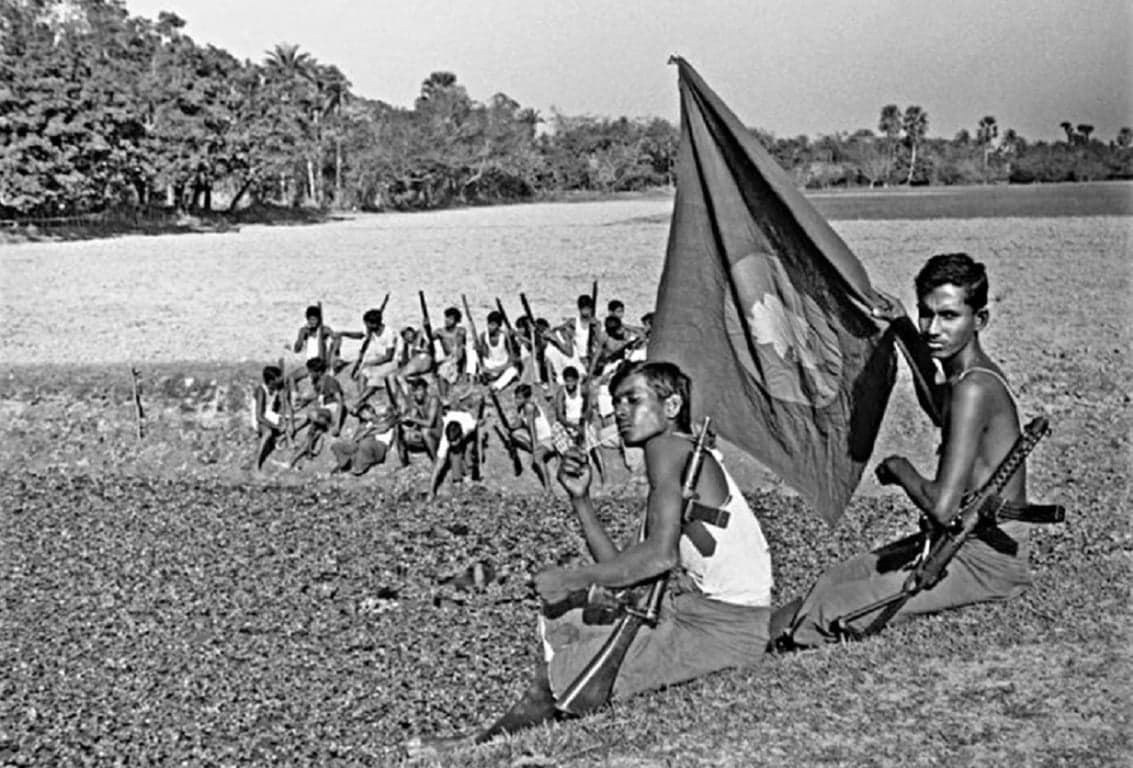

December 13, 1971, was an exciting, crisis-ridden and at the same time hopeful day in the last chapter of Bangladesh's Liberation War. The Pakistani occupying forces were disoriented by the gradual advance of the combined Liberation Army and the Indian allies from all sides. Several events marked this day in history, which accelerated the birth of the Independent Bangladesh.
On the morning of December 13, Dhaka was practically besieged from all sides. The allies took control of the entrance to the city by occupying the Tongi-Gazipur region. The eastern defenses of Dhaka were broken by advancing rapidly through Narsingdi-Rupganj. The 2nd and 9th divisions of the Indian Army advanced towards Dhaka through Savar-Manikganj. The Narayanganj-Munshiganj area came under the control of the Liberation Army and the allies.
On this day, Dhaka was the last stronghold of the Pakistani army. As the Mukti Bahini and the allied forces advanced, Dhaka also became a besieged island. As a result, the morale of the Pakistani army collapsed. In addition, the shortage of ammunition and supplies was at an extreme. The air and land routes were taken over by the allied forces. Extreme chaos also arose within the Pakistani command structure.
On this day, the Pakistani generals realized that it was no longer possible to defend Dhaka. Discussions about the possibility of surrender continued among their top leadership in the dark of night.
But their conspiracy was still going on. From December 12, the Pakistani army and their allies, the Al-Badr, started planning to leave this country without talent. They continued to start a campaign to kill intellectuals. This activity intensified on December 13. They identified university teachers, doctors, journalists, engineers, writers and intellectuals and took them to various torture centers. The news of people going missing in different areas of Dhaka increased concerns. The very next day, on December 14, a horrific intellectual massacre took place.
The Indian Air Force patrols in the skies of Dhaka, the advance of the Mukti Bahini on the ground—all together, the Pakistani army was completely cornered.
The people of the city were filled with fear, anxiety and hope at the same time. Here and there were gunshots, there were attempts by Pakistani soldiers to escape, and elsewhere there was jubilation over the arrival of the Mukti Bahini, as if Dhaka was waiting for the great moment.
On that day, a favorable environment was created in international politics for Bangladesh. Even under pressure from the United States, Pakistan was not getting any effective support to stop the war. India made it clear that a ceasefire was not possible without the unconditional surrender of the Pakistani army. The Soviet Union maintained its position in favor of Bangladesh in the Security Council. It became clear to the world intellectual community and the media—Pakistan's defeat was inevitable.
December 13 was like the last knock on the door of independence. The reality of the war became clear like clear glass. Just three days later, on December 16, the Pakistani forces surrendered at the Racecourse Ground.
Leave A Comment
You need login first to leave a comment