
Defunct SpaceX rocket set to slam into Moon this week
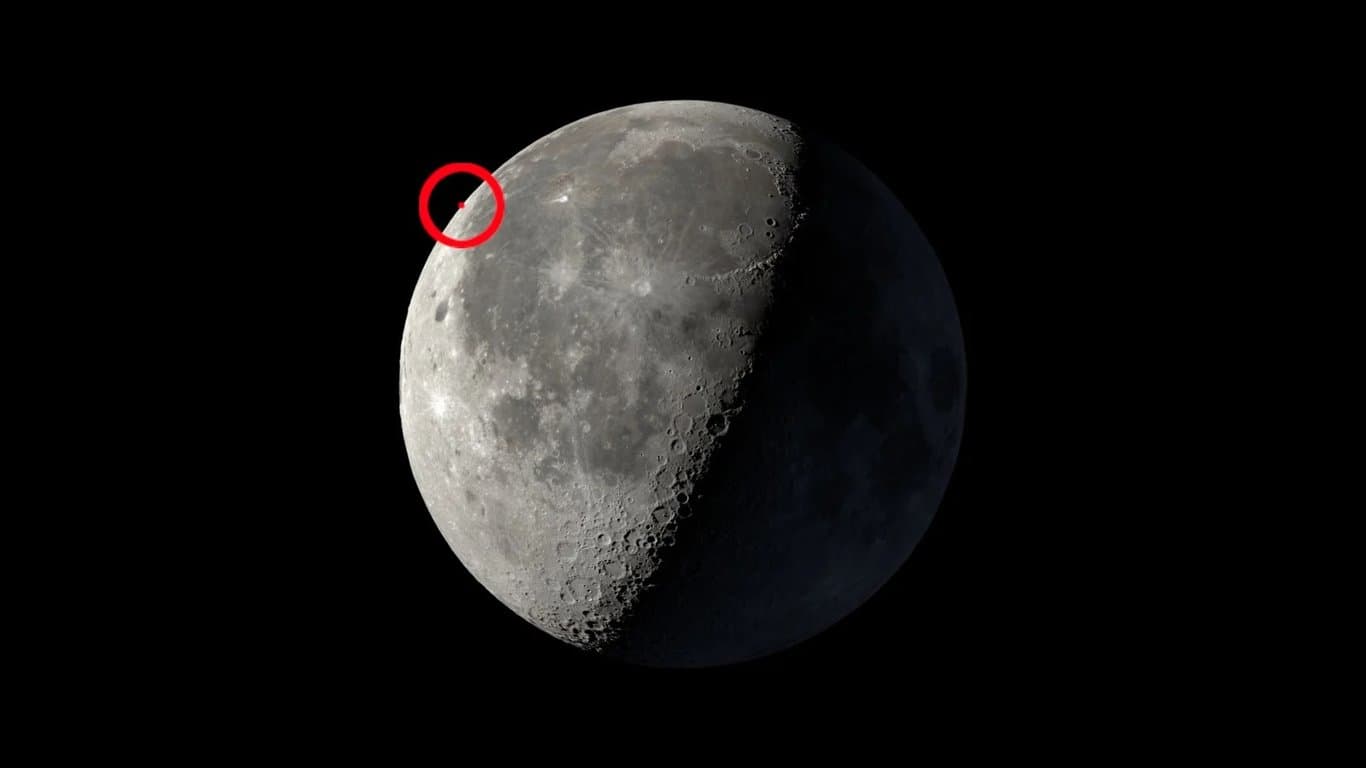

A discarded SpaceX rocket upper stage is expected to crash into the Moon this week after drifting through space for more than a year, creating a fresh impact crater and ejecting debris across the lunar surface, scientists said.
According to astronomers tracking the object, the rocket stage—originally used during two lunar missions—is projected to strike the Moon on Wednesday after an uncontrolled trajectory gradually pulled it toward the lunar surface.
Space debris tracker Bill Gray estimates the rocket will impact at roughly 8,700 kilometres per hour—about seven times the speed of sound—near the Einstein crater on the Moon's sunlit western hemisphere.
Although the brief flash from the collision is expected to last less than a second and will likely be too faint to see with the naked eye, scientists say the resulting plume of dust and rock fragments could remain visible through telescopes for several minutes. Observers across eastern North America, Canada and much of South America are expected to have the best viewing conditions.
Researchers say the impact itself poses no threat to Earth or future lunar missions, but it underscores the growing challenge of space debris left in Earth and lunar orbits.
Gray said the rocket was never intended to collide with the Moon. Under its original mission profile, the upper stage would have been placed into a stable heliocentric orbit after completing its task, avoiding any future impact.
The event follows a similar incident in 2022, when debris believed to be from a Chinese rocket struck the Moon's far side, leaving a rare double crater. Unlike that impact, this collision is expected to occur on the Earth-facing side of the Moon.
Scientists estimate the collision will release energy equivalent to about three tonnes of TNT, excavating a crater approximately 27 metres wide and five metres deep.
Benjamin Fernando, a planetary scientist at Los Alamos National Laboratory, said the Moon's weak gravity and lack of atmosphere mean dust and debris from the impact could remain suspended far longer than they would on Earth.
He encouraged both professional and amateur astronomers to observe the event, saying it offers a valuable opportunity to study impact physics and better understand the hazards that space debris could pose to future lunar exploration.
NASA's Lunar Reconnaissance Orbiter (LRO) and South Korea's lunar orbiter Danuri are expected to photograph the impact site before and after the collision to document the newly formed crater and surrounding ejecta.
Leave A Comment