

Don't let fake spices ruin your qurbani feast
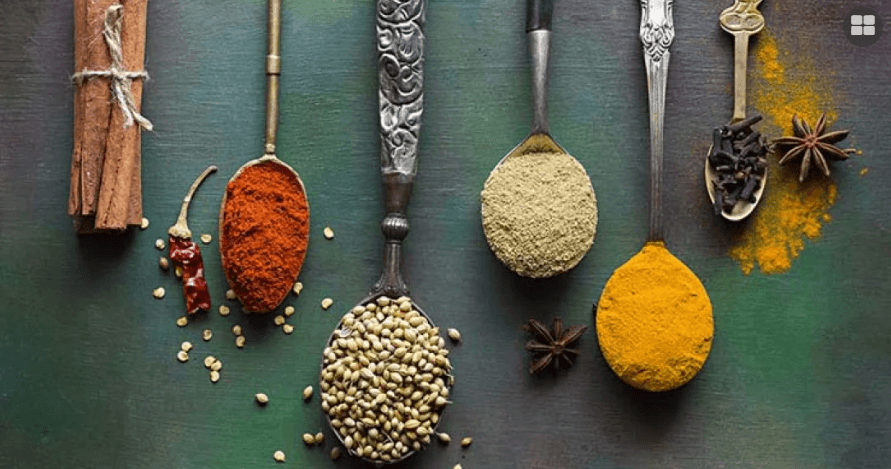

With Eid-ul-Adha just days away, millions of Bangladeshi households are preparing for grand feasts. But adulterated spices in the market could spoil both the taste and your health. Here is what you need to know before you shop.
Eid-ul-Adha is not just about sacrifice — it is also about the rich, aromatic dishes that follow. From beef rezala and bhuna khichuri to kala bhuna and sheek kebab, the Qurbani feast depends entirely on one thing: quality spices.
But with festive demand surging across Bangladesh ahead of the expected May 27–28 celebrations, adulterated and substandard spices flood local markets every year, putting home cooks at risk.
Knowing how to tell the good from the fake before you buy can make all the difference on your Eid table.
Why spice adulteration is a serious problem
In the spice trade, quality is everything — and unfortunately, the market sees a fair share of adulterated products. Identifying fake spices is no longer just an advantage; it is a necessity.
Common adulterants include artificial colorants, lead-based chemicals, sawdust, brick dust, and even toxic industrial dyes — all used to bulk up volume and enhance appearance at the cost of your health.
Ground pepper, for instance, can be adulterated with millet, coffee bean skins, black pepper husks, and even finely ground stones. Artificial coloring — including Sudan dye, a carcinogenic colorant intended for industrial use — is often added to chili powder to enhance its appearance.
Spice-by-spice guide: how to tell the real from the fake
Turmeric (Haldi)
This is one of the most commonly adulterated spices in Bangladesh. Lead-adulterated turmeric often appears unnaturally bright yellow and may have a slightly metallic smell. The most reliable home test involves mixing a small amount with water — pure turmeric creates a golden yellow solution, while lead-contaminated samples may produce an orange-red hue.
Chili Powder (Morich Gura)
Put a teaspoon of chili powder into a glass of water. Pure chili powder will float mostly on the surface, while adulterated powder will start settling down quickly. Artificial colorants will also immediately bleed a bright red streak into the water.
Black Pepper (Gol Morich)
Genuine spices usually have vibrant, natural colors, distinct aromas, and consistent size and shape. Look out for any foreign matter like dirt, twigs, or insects. With black pepper specifically, roll a few corns between your fingers — real pepper has a sharp, pungent bite. Lightweight or hollow-looking corns are a red flag.
Cinnamon (Daruchini)
True cinnamon comes from the bark of an evergreen tree in the laurel family, native to Sri Lanka, Burma, and the Malabar coast of India. Real cinnamon sticks are thin, layered, and crumble easily. Fake or low-grade cassia bark is thick, hard, and difficult to break.
Garam Masala
Buy whole spices and grind them yourself whenever possible. Pre-ground garam masala is the easiest to adulterate. Adulterated garam masala has been found to contain non-edible substances such as rotten rice, coconut, eucalyptus leaves, and colour chemicals.
The sniff, look, and touch test — a quick checklist
Proper spice identification relies on examining visual characteristics, aroma, texture, and taste. Authentic spices display consistent color, uniform particle size, and a potent, distinctive fragrance. Key identification methods include checking for uniform color with no dark spots or discoloration, assessing texture where powders should be fine and consistent, and verifying strong, characteristic aromas when crushed.
In simple terms, before buying any spice, ask yourself:
Smell — Does it have a strong, natural aroma? Pure spices have a distinct, rich aroma. If the smell seems dull or chemical-like, the spice might be adulterated.
Color — Is the color natural and consistent, or unnaturally vivid?
Texture — Is the powder fine and dry, or clumpy and moist?
Price — Beware of low prices — they could mean trouble. Stay away from cheap spices and suspicious bulk offers.
Leave A Comment
You need login first to leave a comment