
Article
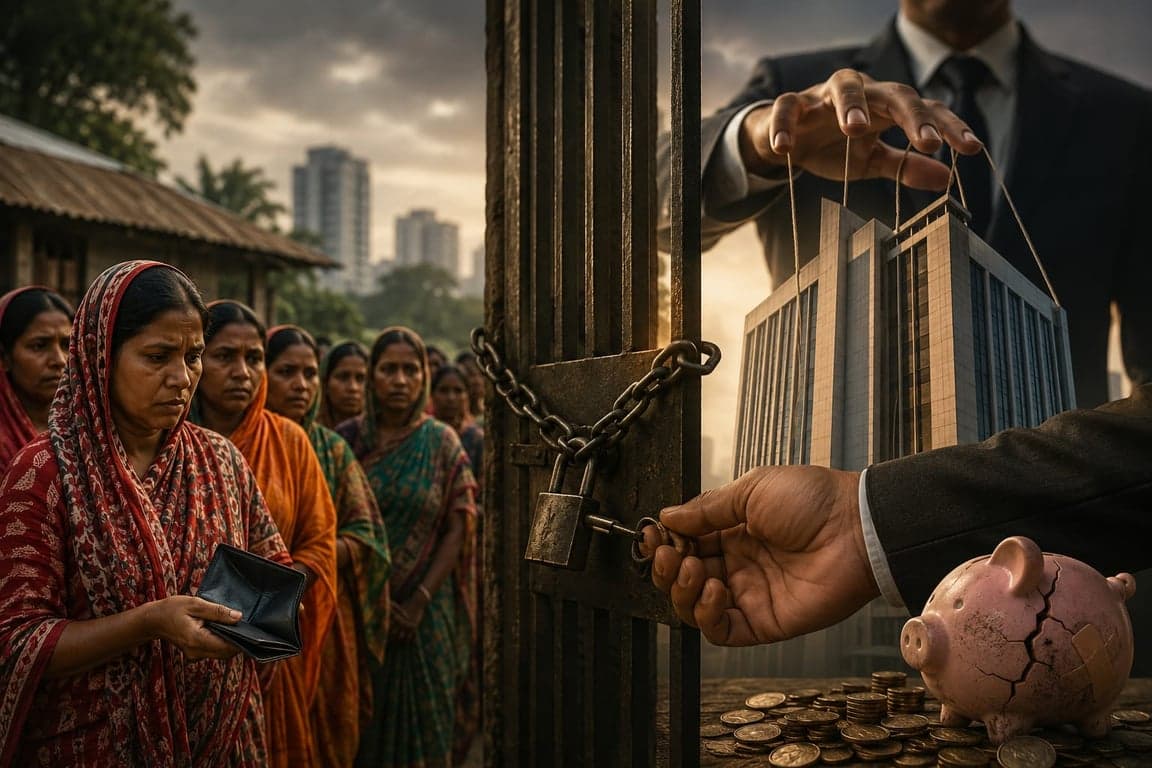
Hundreds of small NGOs under threat due to new MRA conditions
Bangladesh's microfinance regulator, the Microcredit Regulatory Authority (MRA), has been accused of biased behavior. Those concerned claim that after the change of regime on August 5, 2024, the regulatory authorities made appointments to the top positions in the organization breaching the law. Moreover, the conditions those are being imposed in the new policy, will effectively shut down small NGOs and pave the way for the establishment of a monopoly by large institutions. Although, the policy later was decided to be suspended due to the efforts of various stakeholders, no notification has been issued in this regard so far.
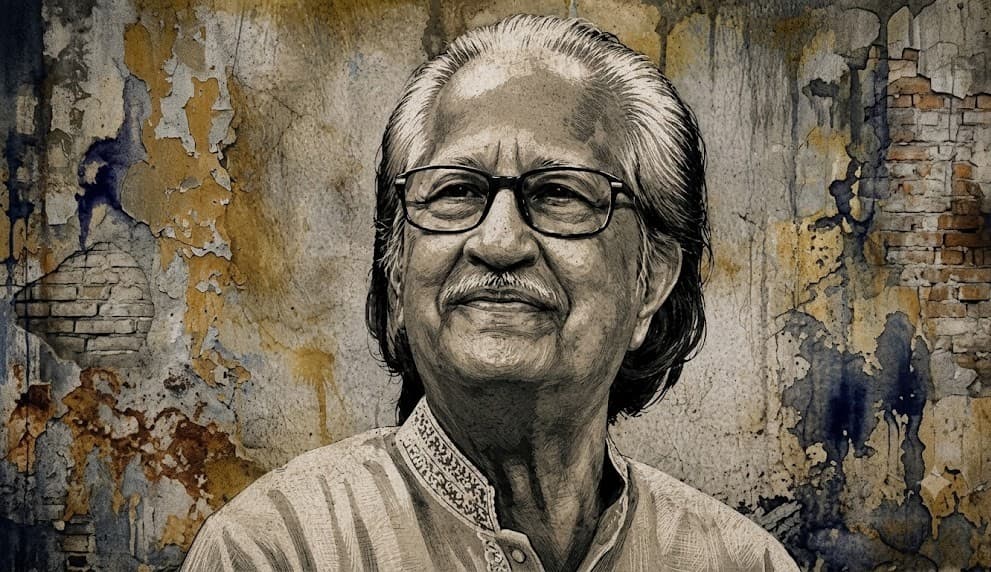
In memoriam: Enlightened Mustafa Monwar
Mustafa Monwar's impact on modernizing and popularizing puppetry in Bangladesh is indisputable. He recognized that puppetry serves as an excellent medium for fostering children's imagination and providing moral education. The puppet shows he designed and orchestrated were not merely forms of entertainment; they were inventive lessons in human values, patriotism, aesthetics, and education. Even now, numerous individuals in Bangladesh recall his puppet characters fondly from their childhood, illustrating that an artist does not solely create art; he also cultivates a realm of human emotions.

Bangladesh in new geopolitical landscape: a new chapter of dignity, pragmatism, diplomacy
The true test of a country's foreign policy is not determined by whom it opposes, but by how effectively it advances its own national interests.
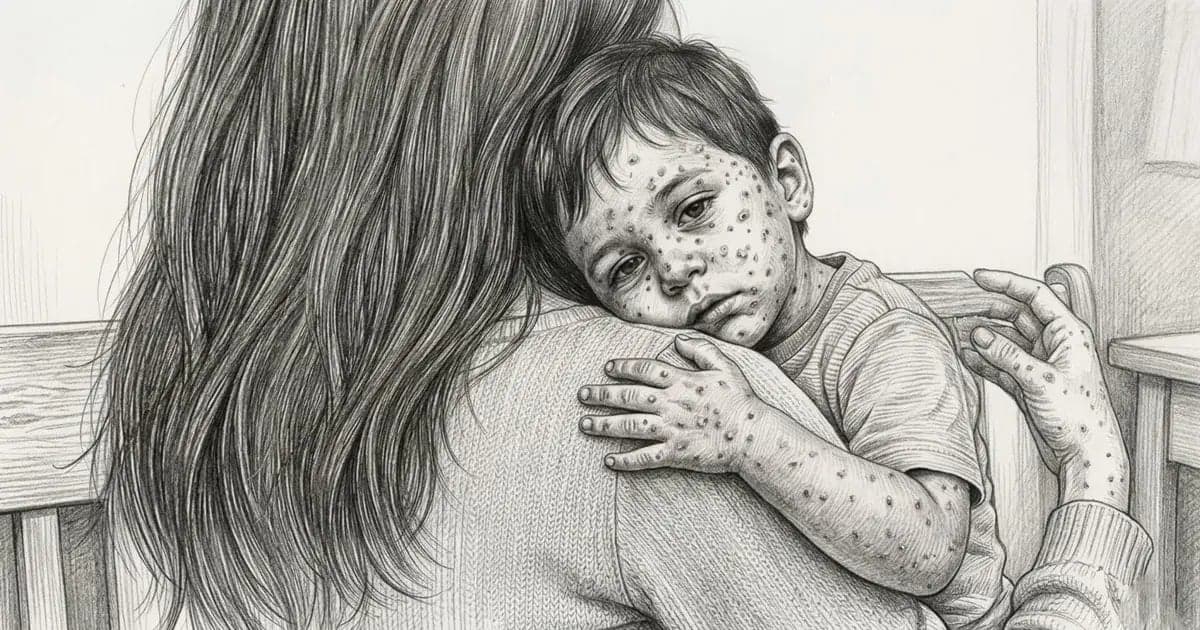
Measles outbreak: Just negligence or a wake-up call?
We thought we had beaten this enemy for good. After polio and tetanus, we had nearly said goodbye to measles too and were feeling proud about it. Nobody expected it to quietly come back and hit us this hard. Working in social development at an NGO, I follow field-level news every day sometimes it fills me with hope, sometimes with deep sadness. When I read in the newspapers that over 700 children have died from measles or measles-like illness, and nearly one lakh children are affected, my heart sinks. For those of us who work for children's health and rights, this is not just worrying it is truly frightening.
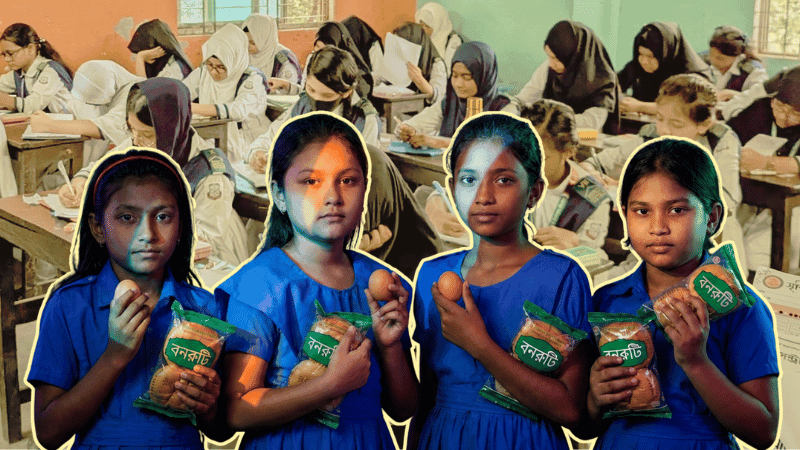
School feeding crisis: Addressing food insecurity and way out
The incident involving 18 students who fell ill after consuming food from the school feeding program at Salim Dolpara Government Primary School in Chapainawabganj Sadar Upazila has once again brought to light a troubling question: why does a program intended to provide nutritional support for children repeatedly pose health risks to them?
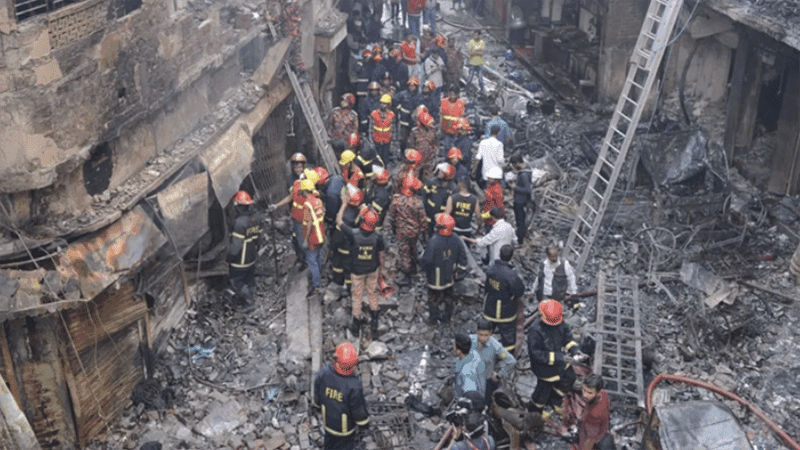
Nimtali tragedy: Scars may diminish, but wounds remain unhealed
June 3, 2010. The clock struck 9 pm. The alleys of old Dhaka were still bustling. And right at that time, the most tragic fire accident in the country's history occurred. In which 124 fresh lives from 72 families were lost. More than two hundred people were injured. On that terrible day, the countrymen witnessed a brutal scene. Many saw their loved ones burn before their eyes. Fathers saw their children burn to ashes before their eyes. Wives and mothers kept wishing for the death of their injured husbands and children.
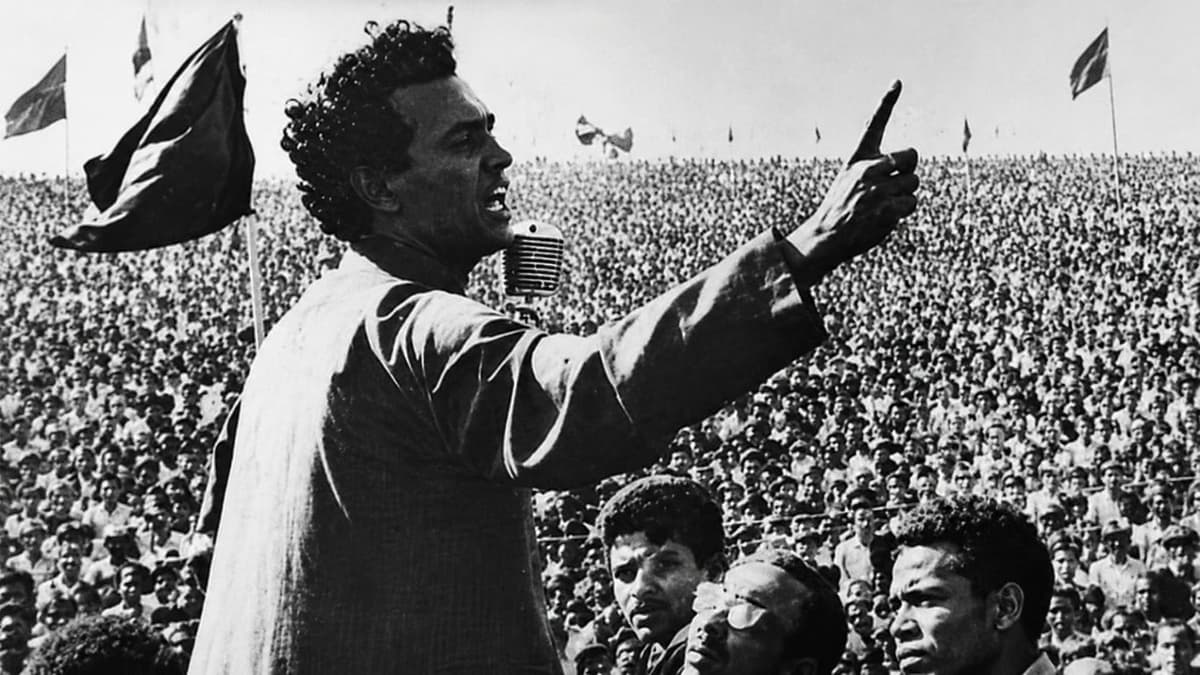
Tofail Ahmed: A life dedicated to Bangladesh's independence and democracy
The history of Bangladesh's independence is not merely the story of a territory's birth; it is a glorious chapter of a long bloody struggle, immense sacrifice, indomitable courage and visionary leadership. Intertwined in every bend of this history are countless heroes, without whose sacrifice and contribution the dream of an independent Bangladesh would not have been realised. One such brilliant star, who played a pivotal role from the student-public movement to the various phases of post-independence nation-building, is Tofail Ahmed.
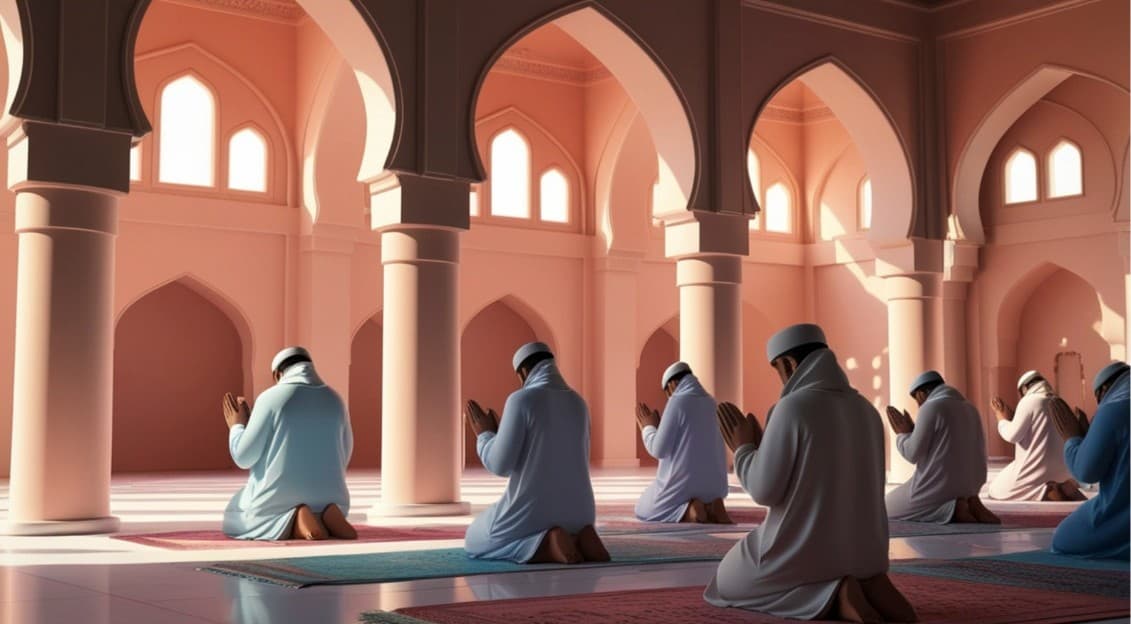
Eid and spirituality
From external festivals to inner awakening, while Eid is a significant religious celebration in Islam, it transcends mere external joy, feasting, or social gatherings. The true essence of Eid resides in its spiritual teachings, which cleanse the human heart, awaken moral values, and strengthen the bond with Allah; thus establishing an enduring joy of introspection within the mind of the saint or individual. The two Eids in Islam, Eid-ul-Fitr and Eid-ul-Azha—though differing in context—share a common objective: self-restraint, surrender, and self-realization. Eid-ul-Fitr represents a spiritual reward attained following the external and spiritual endeavors of the month of Ramadan. Ramadan instructs individuals to exercise control over hunger, thirst, and desires. By refraining from permissible things even during daylight hours, individuals come to understand that they can align their will with the will of Allah. This self-discipline fosters qualities such as patience, compassion, and gratitude within the human heart.
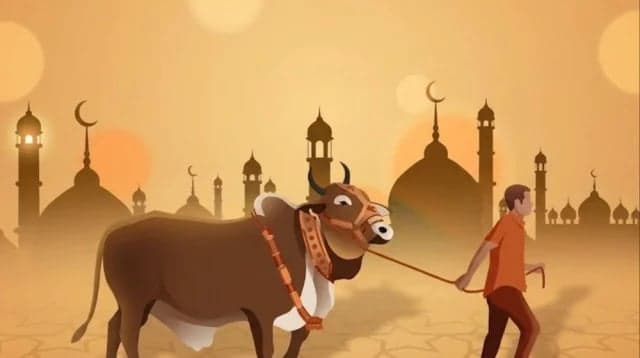
Teaching of Qurbani: A message of self-purification, sacrifice and social harmony
Eid-ul-Azha is among the most significant religious celebrations of the Muslim Ummah. The focal point of this festival is Qurbani, which transcends mere animal slaughter; it serves as a profound symbol of self-sacrifice, self-purification, and reverence for Allah. The essence of Qurbani lies in relinquishing greed, envy, pride, and self-centeredness, thereby awakening human values.

Colorful Eid celebrations in the days of black and white TV
Our childhood years were indeed uncomplicated yet filled with joy. At that time, there were not many forms of entertainment media available. The only options were Betar and Bangladesh Television (BTV). The television sets were black and white, with screen sizes of 14 inches, 17 inches, and 20 inches. I did not encounter a larger TV set in anyone's home during that period. However, despite watching TV programs in black and white, the experiences were quite vibrant. In the era I am discussing, particularly regarding Eid celebrations on television, there were no color TVs, VCRs, HD TVs, computers, DVDs, or YouTube. There was solely one channel, BTV. Most villages had not yet received electricity. Nevertheless, in our time, Raozan village in Chattogram had electricity. As far as I recall, we began watching TV in 1980. BTV's broadcasts likely commenced in the afternoon and concluded at midnight. The programming began with the national anthem and ended with the national flag and anthem being displayed.