
FIFA backs down on controversial World Cup commercial rights plan after global revolt
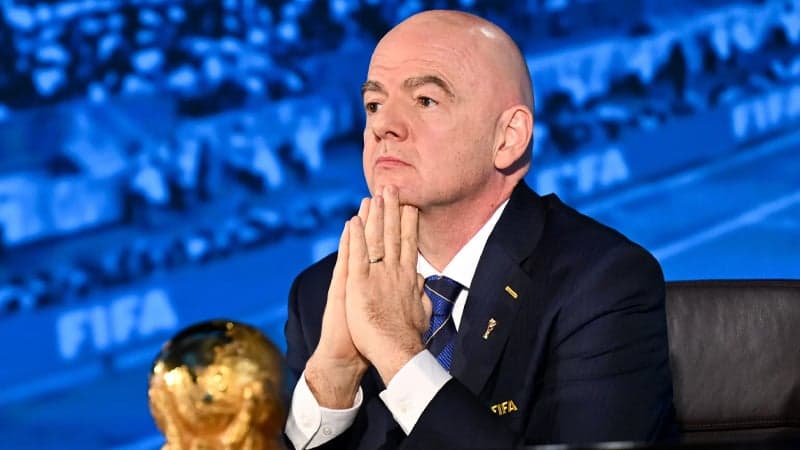

FIFA has abandoned a controversial proposal to sell a stake in the commercial rights of the FIFA World Cup following fierce opposition from football governing bodies, threats of a European boycott and growing dissent within its own leadership.
In an emergency statement issued on Friday (July 31), FIFA President Gianni Infantino said the proposal had created divisions that ran counter to the interests of world football and had therefore been withdrawn by consensus.
"The proposal has generated unnecessary division within the football community," Infantino said. "Protecting the unity of the game remains our priority."
According to media reports, Infantino had sought to secure support for the plan by offering FIFA member associations grants worth $40 million in total. However, the proposal quickly ran into widespread resistance.
UEFA, representing 55 European football associations, warned on Thursday that it would boycott future World Cups if the proposal was approved. The opposition soon broadened, with Concacaf and the Asian Football Confederation (AFC) also rejecting the plan and aligning themselves with UEFA.
Under FIFA statutes, the proposal required 106 votes for approval. With UEFA, Concacaf and the AFC united against it, the opposition bloc controlled 136 votes, effectively ending any realistic chance of passage.
The controversy also exposed divisions within FIFA itself.
Chief Operating Officer Kevin Lamour reportedly acknowledged that senior figures within the organisation had not been fully informed about the project.
The fallout prompted the resignation of Carlos Cordeiro, FIFA's senior adviser on global strategy and governance. In his resignation letter, Cordeiro described the proposal as "deeply damaging to football" and warned that it risked mortgaging the sport's future for short-term financial gain.
The plan also drew criticism beyond football. British Prime Minister Andy Burnham, according to reports, publicly questioned whether Infantino remained the right person to lead FIFA.
The setback comes at a politically sensitive moment for the 56-year-old Swiss administrator, who is expected to seek a fourth term as FIFA president at the FIFA Congress in March 2027.
Football analysts say the unprecedented unity shown by Europe, the Americas and Asia against the proposal represents one of the most significant political challenges of Infantino's presidency and could weaken his standing ahead of the next leadership election.
Infantino has since called for renewed dialogue among FIFA's member associations, saying consensus and unity must remain the foundation of the organisation's future decision-making.
Leave A Comment