

Focus on improving the quality of medical education
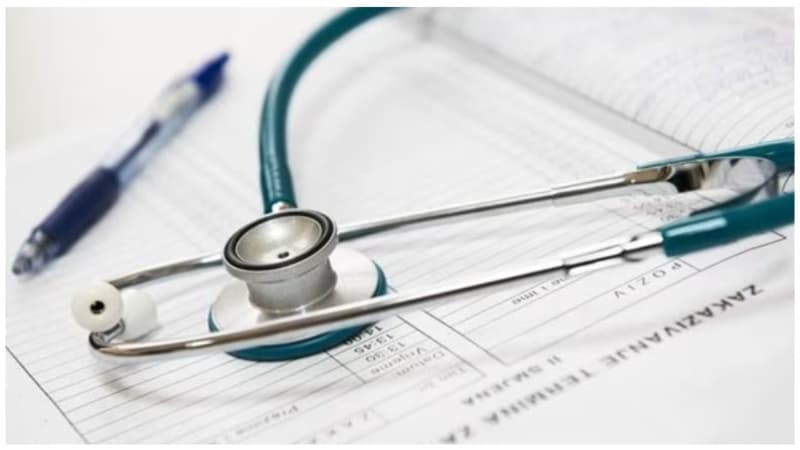
It is indeed good news for the people of the country that one medical college after another is being established, both government and non-government. However, a significant portion of the already established medical colleges is facing crises in their own hospitals. Alongside, due to the crisis of teachers and medical equipment, it is not possible to produce competent physicians in comparison to the demand. As a result, people are deprived of good service, which is extremely concerning for the country.
Imagining a medical college without skilled teachers, hospitals, and equipment is impossible. Therefore, according to government policies, it is mandatory for medical colleges to have their own fully equipped hospitals and academic buildings at least two years before starting the educational program. Establishing hospitals and colleges in rented buildings is not allowed. However, among the country's 37 government medical colleges, 20 do not have their own hospital buildings. The number of teachers is insufficient. There is a lack of adequate educational equipment. Due to the absence of classrooms, teaching is conducted in other institutions' premises.
On the other hand, the situation of the 72 private medical colleges is even more alarming. However, before obtaining approval, the relevant authorities have pledged to comply with government policies and conditions. But after obtaining approval, the situation takes a different turn. Despite this, one after another private medical college is getting approval. In many cases, government policies are not being adhered to in these approvals. In this regard, stakeholders blame political influence and lack of proper oversight.
Reports published in the media indicate that in the country's medical education, which is fundamentally based on eight subjects, there is a severe shortage of qualified teachers in each subject. Conversely, out of 6,314 positions including professors, associate professors, assistant professors, and lecturers, only 3,605 are occupied. Such a scenario reflects not only a shortage of teachers but also a visible deficiency in educational equipment and laboratory management. Simply constructing large buildings brings no benefit if those institutions lack qualified teachers.
Furthermore, there are allegations of political and partisan considerations in teacher recruitment. In such cases, what will students in these colleges learn, and how will they learn? And if they don't learn anything, how will they become doctors? In a country where untrained, improperly educated doctors are produced, healthcare crises are inevitable. In that scenario, the country and its people will have to pay a hefty price for such crises, which will have a significant impact on education and healthcare services.
So, ensuring the quality of medical education requires ensuring the presence of necessary teachers, equipment, and hospitals. It must be remembered that medical colleges are needed in the country, but they must be adequately staffed and equipped.
In modern times, global medical education is advancing rapidly. Therefore, to enhance the quality of medical education in the country, it is essential to ensure modern skilled teachers, infrastructure, equipment, laboratories, research facilities, and classrooms for students. And if these provisions are not in place at any institution, then that institution should not be granted permission. Because medical education is not like any other institution.
Because here the question of human life and death is involved. Therefore, if competent doctors are not trained, they will not be able to diagnose diseases accurately. And without proper diagnosis, patients cannot be treated. That's why it is necessary to ensure experienced and competent teachers in medical education. At the same time, infrastructure facilities and medical equipment must also be ensured.
Leave A Comment
You need login first to leave a comment