

Show cause notices to 28 Judges
Free expression of opinion or crossing Line?
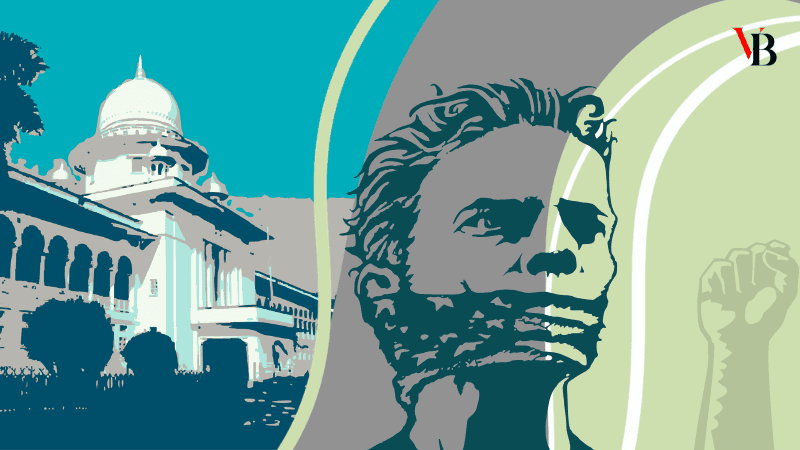

Show cause notices have been served on 28 judges from different levels of the country for posting on social media platform Facebook about the independence of the judiciary. This incident has generated widespread discussion and reactions in the judicial arena.
It is learned that recently, some judges expressed their opinions on their personal Facebook accounts about the independence of the judiciary, administrative interference and various obstacles in the performance of judges' duties.
These posts quickly spread on social media and sparked discussions in various circles. In view of this, the higher authorities reviewed the matter seriously and sent show cause notices to the 28 judges concerned. Law Ministry sources said that the judges have been asked to explain based on the allegation that such public comments by the judges may be in conflict with the judicial code of conduct.
In the show cause notices, the judges have been asked to explain why their actions will not be considered a breach of judicial discipline. They have been asked to provide a written explanation within the stipulated time. In addition, instructions have also been mentioned to refrain from such activities in the future.
According to sources from the Supreme Court and the Ministry of Law, the process of submitting explanations of the 28 judges concerned is currently underway. The next step will be taken after reviewing their responses.
In this regard, Law Minister Md. Asaduzzaman told Views Bangladesh, ‘The code of conduct of judges is a very sensitive issue. Any opinion they express must be consistent with the dignity and impartiality of the judiciary. An explanation has been sought as some statements published on social media appear to have crossed this line.’
However, this incident has given rise to a new debate on the internal discipline, independence and limits of expression of opinion in the judiciary, which legal experts believe may affect the policies and code of conduct of the judiciary in the future.
A judge who did not wish to be named in this regard said, ‘As part of the judiciary, we are responsible for the constitution and law of the country. However, expressing opinions on the independence of the judiciary should not be a crime. We have expressed our concerns personally, not with the intention of tarnishing the image of any institution.'
'Judges also have the right to express their opinions as citizens, which should not be completely curtailed,' he added.
Senior Supreme Court lawyer Barrister Omar Farooq told Views Bangladesh that the problems and challenges within the judiciary need to be brought to the fore so that they can be resolved. 'If judges themselves cannot speak out about their problems, how can those be identified? Instead of making those show off, these statements should be given serious consideration,' said a human rights activist.
Manzil Murshid, another senior lawyer at the Supreme Court, told Views Bangladesh, 'In order to make the functioning of the judiciary more transparent and accountable, it is important to bring the real problems within to the fore. If judges highlight their professional experience and limitations, it should not be seen negatively but rather considered as part of a constructive discussion. This will make it easier to identify the weaknesses of the judiciary and pave the way for necessary reforms.'
Human rights leader and Supreme Court lawyer Advocate Fawzia Karim Firoze said, 'Although the issue of judges expressing their opinions is very sensitive, completely suppressing it is not the solution. She believes that the independence of the judiciary is not only a matter of policy, but also needs to be ensured in practical implementation. If judges cannot highlight their experiences and challenges, then those problems will remain invisible. Therefore, it is more effective to review these statements seriously and take necessary reforms instead of taking punitive measures. It may be.’
On the other hand, Attorney General Ruhul Quddus Kajal told Views Bangladesh, ‘Although judges have freedom of expression, it needs to be within certain limits. The judiciary is an important pillar of the state. The statements of those serving here can have two effects - creating or destroying trust in the public mind. Therefore, judges need to be more careful in using social media.’
Leave A Comment
You need login first to leave a comment