

Fuel crisis: reality or ploy to hike prices
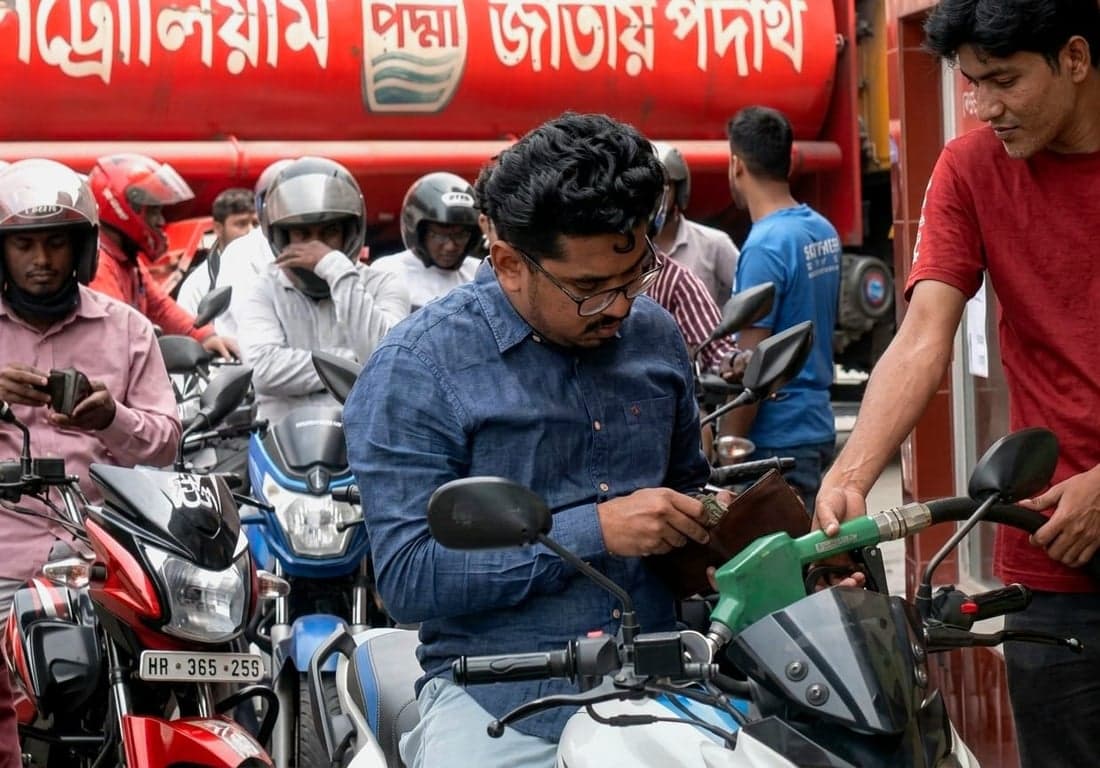

War is raging in Iran, and Bangladesh has run out of fuel. It feels as if America has attacked Bangladesh, not Iran. A severe crisis over fuel oil and LPG has gripped the entire nation, as if we have closed the Strait of Hormuz ourselves even before Iran did. No gas, no petrol – the only reliance is on electricity or solar power.
Anyone stepping out onto the streets in the current situation would think exactly that. Petrol pumps are not supplying fuel. Motorcycle riders are getting into arguments and even physical altercations while trying to fill octane. On the ground, long queues of private cars and motorcycles are seen in front of petrol pumps. Pump workers are overwhelmed by the pressure, while some have simply shut down and are sitting idle. Many are pushing their motorcycles back home, unable to find fuel, while others try to manage a fill by any means.
Ask pump workers, and the direct answer is the same: no oil, no gas. But is this a genuine fuel crisis, or a ploy to create an artificial shortage and raise prices? Global fuel prices have increased several times due to the Israel-Iran conflict. However, the impact of that should not be felt in Bangladesh immediately. On March 3, Bangladesh Petroleum Corporation (BPC) Chairman Md Rezanur Rahman stated that the country currently has a stockpile of 136,000 metric tons of fuel oil. This includes 14 days' worth of diesel, 28 days of octane, 15 days of petrol, 93 days of furnace oil, and 55 days of jet fuel. To maintain uninterrupted supply, LC settlements for seven ships have been completed as of yesterday. Two ships have already arrived in Chattogram with oil, and unloading of one has begun. He also stated there is no fear of price hikes under these circumstances. However, he mentioned that exploring alternative markets for oil is being considered given the war situation.
Analysis of the BPC stockpile data reveals that the available fuel oil would last between 14 to 21 days. This means the public should expect assured and uninterrupted service throughout March. However, some unscrupulous businessmen and members of the public have begun hoarding fuel oil to capitalise on the situation and make extra profits. This has led to the crisis witnessed nationwide. No allegations of overpricing have been made against the pumps that are supplying fuel. However, buyers allege that pumps are currently spreading rumours that prices will be increased soon.
In an appeal to citizens not to hoard excess fuel due to rumours or panic, Energy and Mineral Resources Minister Iqbal Hasan Mahmud Tuku stated on March 7 that two more fuel oil-laden ships are scheduled to arrive in the country by March 9. Therefore, there is no risk of any shortage in the supply system. He also announced that mobile courts would operate at various filling stations from tomorrow to reduce public suffering.
Meanwhile, to control public anxiety over the fuel oil stockpile situation and abnormal demand, BPC has issued special directives and set a daily quota for vehicle-based fuel supply. According to the new guidelines, each motorcycle can collect a maximum of 2 litres per day, private cars 10 litres, SUVs, jeeps and microbuses 25 litres, pickup vans and local buses 80 litres, and long-distance buses, trucks and container trucks up to 220 litres. Filling stations must strictly adhere to the rules when selling fuel. For each sale, a cash memo or receipt mentioning the quantity and price must be provided to the customer. If the same customer later wants to refuel, they must submit a copy of the previous purchase bill. This will help control the tendency for the same person or vehicle to collect excess fuel. BPC hopes this quota system will maintain normal operations in the transport sector and simultaneously prevent hoarding.
Just as there is profiteering with rice, there is profiteering with oil. The country has always seen such instability regarding commodity prices. Now a fuel crisis has been added to it. It seems everyone in this country is always waiting for an opportunity to strike. As soon as an opportunity arises, no one hesitates to make the most of it. When the situation spirals out of control, we realise what we have done, but by then there is no room left to correct our mistakes.
Leave A Comment
You need login first to leave a comment