
Gallic Acid vs vitamin C: What the science really says

Vitamin C has long been a staple of antioxidant-based skincare, valued for its potential to brighten the complexion, reduce hyperpigmentation and protect skin from oxidative stress. Now, another plant-derived compound—gallic acid—is attracting growing attention for similar potential benefits.
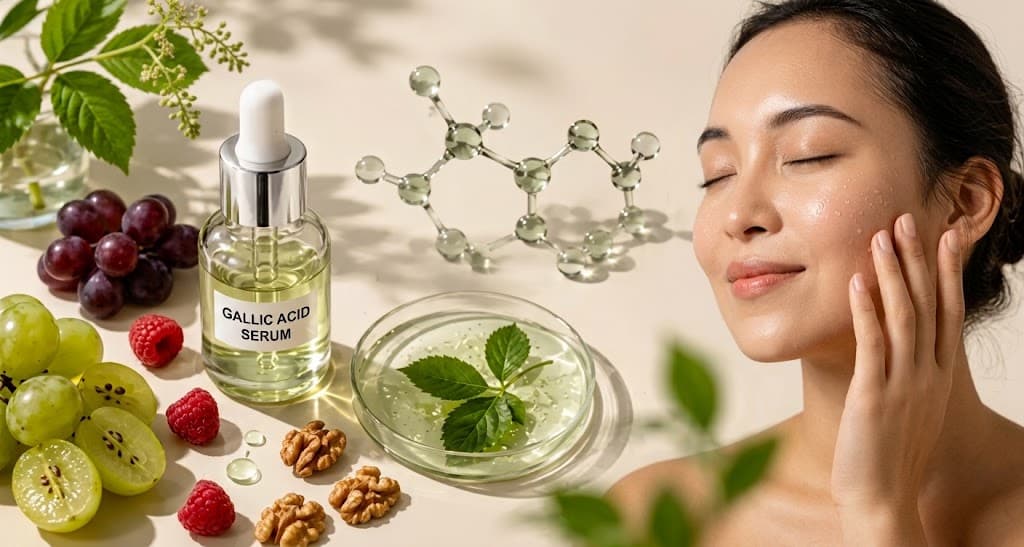
Gallic acid is a naturally occurring phenolic compound found in a range of fruits, nuts, tea and other plants. It is known for its antioxidant properties and ability to neutralise free radicals, which can contribute to cellular damage and age-related changes in the skin.
Researchers are also investigating its potential role in reducing pigmentation. Laboratory and animal studies suggest gallic acid may interfere with processes involved in melanin production, including the activity of tyrosinase, an enzyme central to pigmentation. Some research has also indicated that gallic-acid-based formulations may help reduce certain signs of ultraviolet-induced pigmentation and photoageing.
But experts caution against declaring gallic acid a superior alternative to vitamin C just yet.
Vitamin C has a substantially larger body of research supporting its topical use, including evidence of benefits for collagen production, protection against UV-related oxidative damage and improvement of hyperpigmentation. A 2023 systematic review also found evidence supporting topical vitamin C for improving uneven skin tone and signs such as wrinkles.
Gallic acid, meanwhile, has produced some encouraging findings in human studies, but the evidence remains comparatively limited. One review reported improvements in skin elasticity and smoothness with the use of a gallic-acid-containing gel. Researchers have also highlighted challenges including its relatively low solubility and difficulties in delivering the compound effectively into the skin.
That means formulation could be crucial to how well gallic acid performs in real-world skincare products. The concentration, delivery system and stability of the ingredient may all influence its effectiveness.
For now, gallic acid is best viewed as an emerging skincare ingredient rather than a replacement for vitamin C. People with sensitive skin should consider the formulation and concentration before introducing a new active ingredient and may want to consult a dermatologist if irritation or other concerns arise.
As clinical research expands, gallic acid could become a more established ingredient in antioxidant and pigmentation-focused skincare. But for now, vitamin C remains far from obsolete.
Leave A Comment