
Global deforestation shrinking climate action opportunities, UN warns
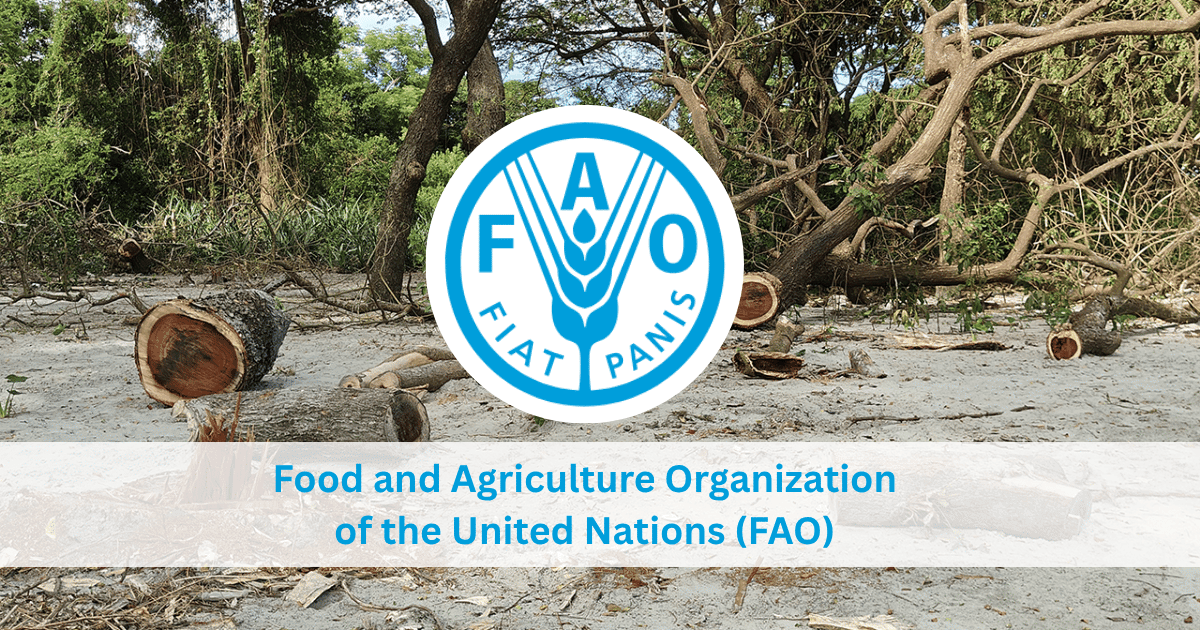

As deforestation and forest degradation rapidly increase worldwide, opportunities to ensure food security and tackle the impacts of the climate crisis are steadily shrinking. In this situation, the Food and Agriculture Organization (FAO) has called on governments worldwide to make forest conservation and restoration a national priority.
The warning was given in FAO's latest report, 'State of the World's Forests', which highlights the current state of forest land worldwide. The report said that although various initiatives have been taken to restore forests, they are not enough compared to the globally set targets and commitments.
According to the report, more than 489 million hectares of forest land have been lost worldwide since 1990. Beyond this, vast forest areas have been severely damaged or degraded. Although pledges have been made to restore more than hundreds of millions of hectares of land over the past two decades through national, regional and international initiatives, in reality, restoration activities have not even begun on one-fifth of that area.
The FAO said forests currently cover about one-third of the world's land area, or 414 million hectares. These forests store around 714 gigatonnes of carbon and are important habitats for about 80 percent of terrestrial biodiversity. At the same time, forests play an important role in maintaining rainfall balance, environmental stability and reducing hunger. About one-third of the world's people depend directly or indirectly on forest land for their livelihoods.
However, pressure on forest land is increasing day by day. Every year, nearly 12.7 million hectares of forest are damaged by wildfires. Added to this are insect attacks, diseases and the effects of extreme weather. The expansion of commercial agriculture, climate change, pollution and excessive extraction of various natural resources, including fossil fuels, are also increasing the risk of forest destruction.
The report further stated that although demand for various forest products, including timber, has increased, a major gap has been created with the capacity to ensure a sustainable supply of these products. This imbalance is putting environmental stability as well as the long-term future of the forest-dependent economy at risk. However, if damaged forests and fragile ecosystems can be restored, there could be a major positive impact on the economy, food security and people's livelihoods. According to FAO estimates, if 100 million hectares of damaged land can be successfully restored, economic benefits of about $180 billion per year could be created.
FAO Director-General Qu Dongyu said forest and natural environment restoration should not be seen merely as an environmental protection initiative. It is an important strategic investment for the stability of agri-food systems and rural development. He warned that if decisions are delayed or wrong plans are made, costs will increase further in the future, social inequality could intensify and long-term environmental damage will deepen.
Therefore, the organisation has emphasised taking effective measures on a large scale now to restore damaged forests as well as meet the growing demand for land-based products.
Source: The Guardian
Leave A Comment