

Global unemployment will deteriorate in 2024: UN
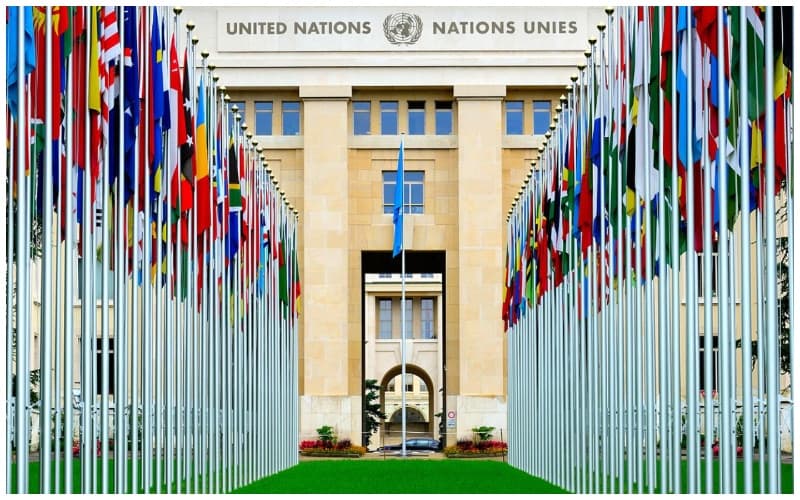

The United Nations announced on Wednesday that the global unemployment rate is expected to experience a slight increase in 2024. This comes as the organization expressed concerns regarding stagnant productivity, worsening inequalities, and the impact of inflation on disposable income.
According to the UN's labor agency, the economic recovery from the Covid-19 pandemic has been slowing down. Ongoing geopolitical tensions and persistent inflation have prompted central banks to take aggressive measures.
Despite these challenges, global growth in 2023 exceeded expectations to some extent, and labor markets demonstrated unexpected resilience, as stated by the International Labor Organization.
However, the ILO also highlighted that real wages declined in the majority of G20 countries, as wage increases failed to keep up with inflation.
The global unemployment rate in 2022 was recorded at 5.3 percent, but it showed a slight improvement to 5.1 percent in the previous year. However, the situation is expected to change in 2024 as an additional two million workers will enter the job market, causing the global unemployment rate to rise to 5.2 percent.
According to the International Labour Organization (ILO), disposable incomes have decreased in most G20 nations. Furthermore, the erosion of living standards due to inflation is unlikely to be quickly compensated. These factors contribute to widening inequalities and stagnant productivity, which are significant concerns highlighted in the ILO's World Employment and Social Outlook Trends report for 2024. The report examines various labor market trends such as unemployment, job creation, labor force participation, and hours worked, and analyzes their impact on social outcomes.
According to ILO chief Gilbert Houngbo, the report reveals that certain data, particularly regarding growth and unemployment, is "encouraging". However, a more thorough analysis indicates that labor market imbalances are increasing. This erosion of progress towards greater social justice is occurring within the context of multiple and interconnected global crises, as stated by Houngbo.
The report highlights that only China, Russia, and Mexico experienced positive real wage growth in 2023. On the contrary, real wages declined in other G20 countries, with Brazil (6.9 percent), Italy (five percent), and Indonesia (3.5 percent) facing the most significant decreases.
Houngbo emphasized that the combination of falling living standards, weak productivity, and persistent inflation creates an environment conducive to greater inequality. These factors undermine the efforts made to achieve social justice. Without significant advancements in social justice, a sustainable recovery will remain elusive.
Leave A Comment
You need login first to leave a comment