
Groundbreaking study: Smart cancer drugs could replace chemotherapy
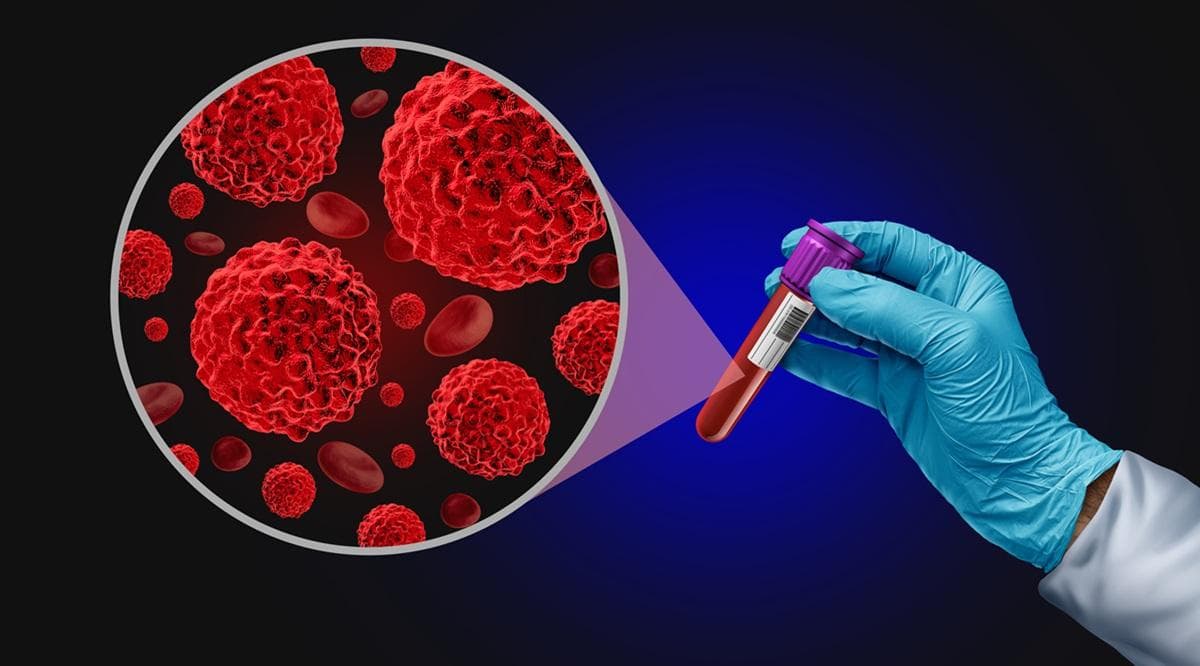

Groundbreaking study: Smart cancer drugs could replace chemotherapy
Scientists have unveiled a landmark development in oncology, with research indicating that precision-targeted drugs could eliminate cancer cells entirely without relying on conventional chemotherapy. The findings were unveiled at the American Society of Clinical Oncology (ASCO) conference in Chicago, the world's premier cancer research summit, which drew nearly 40,000 specialists and showcased more than 2,700 studies spanning new medications, cutting-edge therapies, and lifestyle interventions.
One of the conference's most talked-about revelations centred on an experimental pill known as GRWD5769, engineered to dismantle the shield cancer cells use to evade the body's immune system. When paired with immunotherapy, the drug achieved tumour reduction of at least 30 per cent across six distinct cancer types. Clinical trials carried out across the UK, France, Spain, and Australia showed that 26 of 83 patients experienced meaningful tumour shrinkage, with 15 of those surpassing the 30 percent reduction threshold.
In another major leap forward, a newly developed daily pill called Darasxnorasib nearly doubled survival time for patients with pancreatic cancer, one of the most lethal forms of the disease. Across a trial of 500 patients, those on the new drug survived an average of 13.2 months, compared to just 6.6–6.7 months under standard chemotherapy regimens. Medical experts hailed the results as a "game-changing advance" for a condition long considered difficult to treat.
The University College London-led OPTIMA trial monitored 4,000 breast cancer patients, using genetic screening to identify those who could be safely treated with hormone therapy alone, bypassing chemotherapy altogether. Low-risk patients successfully completed their treatment without ever requiring chemo.
Similarly, bladder cancer patients benefited from a novel immunotherapy combination with chemotherapy and radiotherapy, enabling many to avoid invasive surgery entirely.
Despite these scientific strides, experts sounded a cautionary note about the road ahead. A major study projected global cancer incidence will climb from 165 per 100,000 people in 2025 to 200 per 100,000 by 2050, driven by population growth and ageing demographics. The 20 million annual cancer diagnoses recorded today are expected to surpass 35 million within the next 25 years.
Two large-scale studies shed light on the role of lifestyle in cancer risk among younger populations. Analysis of data from adults aged 18 to 50 found that chronic insomnia was associated with significantly elevated risks of breast, ovarian, bowel, and uterine cancers, in some cases tripling the likelihood of a diagnosis within five years. On a more hopeful note, yoga was found to meaningfully reduce anxiety, fatigue, and sleep disorders among cancer patients, pointing to the growing role of holistic care alongside medical treatment.
Leave A Comment