

Increase in medicine prices will be a major obstacle to healthcare uptake
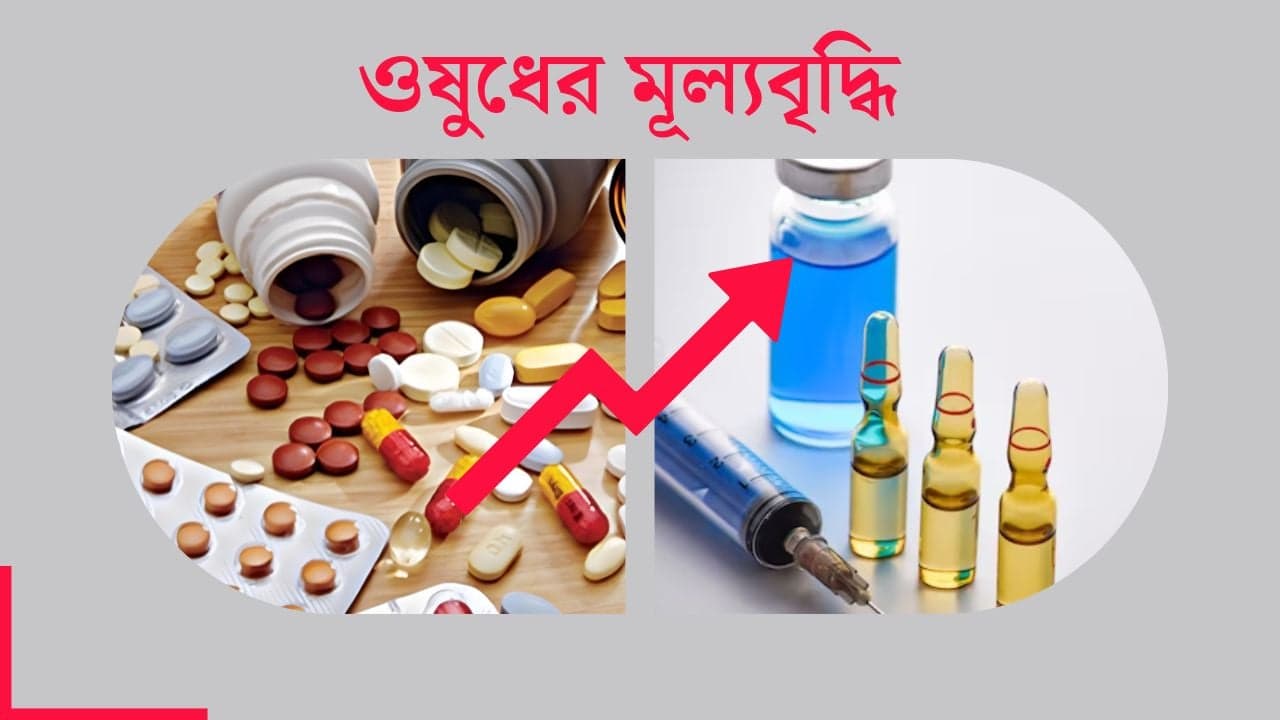

In both prevention and treatment of diseases, we utilize medication. With the timely and appropriate use of medication's unique capabilities, we emerge healthier. The increasing necessity of all kinds of medications to combat the emergence of infectious and non-infectious diseases worldwide is essential for sustaining life. Bangladesh is no exception in this regard. However, a matter of sorrow is that the gradual increase in the price of medicine in the country has adversely affected ordinary patients. On one hand, the increase in the price of essential commodities, and on the other hand, the skyrocketing prices of medication have disrupted the lives of ordinary people, which is deeply concerning for the nation.
According to a report published in the media today, Saturday (March 9th), the price of 'Arth-A TS' tablets, used as a food supplement in the treatment of arthritis, has increased from 20 taka to 30 taka each, despite being available at 20 Taka just a few days ago. That means the price of each tablet has increased by almost 66 percent. Moreover, the prices of medication for various diseases such as cold, skin diseases, allergies, respiratory infections, high blood pressure, heart disease, diabetes, etc., have also increased. It has been observed that the prices of medications have risen by a minimum of 20 percent and a maximum of 66 percent.
Regarding the price increase of medication, leaders of the Bangladesh Association of Pharmaceutical Industries (BAPI) have stated that the hike in interest rates, increased costs of gas-electricity, reduced supply of fuel, and the dollar crisis in purchasing raw materials have escalated the production costs of medication. They have expressed that besides increasing prices, they do not find any solution to these issues.
According to the information provided by the association, there are 213 local pharmaceutical establishments operating in the country, fulfilling 98 percent of the total demand for medication in the country. The pharmaceutical market in the country is approximately 35 billion Taka. These local establishments export products to 157 countries across Asia, Africa, North America, South America, and Europe. Over the past seven years, export revenue in this sector has increased nearly threefold to 188 million dollars.
In this context, we believe that the increase in the price of medication will pose a significant barrier to accessing healthcare services. This is because the rising costs of medication and medical examinations/tests result in the inability of the impoverished and lower-middle-class individuals to access necessary healthcare services. If prices continue to rise, healthcare disparities will worsen, leading to further inequities in access to healthcare for ordinary people.
The determination of medication prices should be based on the country's economic and social conditions rather than solely on production costs. The Drug Administration Department should consider people's purchasing power and the socioeconomic situation. Continuing in this manner may lead to an increase in various diseases. Especially for people suffering from chronic illnesses who require regular medication, their situation will be even more dire. It is essential for the government to provide free medication in public hospitals, so that patients do not have to purchase medication from outside the hospital premises.
If the price of medicine increases to the point where people cannot afford to buy it and cannot take medicine regularly, people will suffer. Their families, society, and in some cases, even the country may suffer. For this reason, the government should be vigilant. Therefore, the government should reduce taxes on the raw materials imported for medication production.
Additionally, pharmaceutical companies should reduce promotion and marketing expenses. Specifically, the practice of giving commissions to doctors should be stopped. This task should be unified across all pharmaceutical companies. Adhering rigorously to the Pharmaceutical Policies of 1982, as revised in 2005 and 2016, will protect the interests of both patients and pharmaceutical manufacturers.
Leave A Comment
You need login first to leave a comment