

India cuts excise duties on petrol, diesel
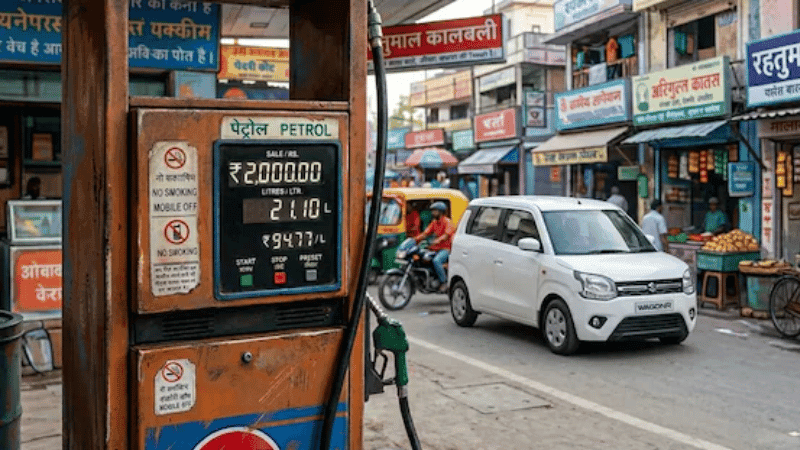

The Indian government has reduced excise duty on petrol and diesel to control possible inflation due to instability in the global oil market. At the same time, new taxes have been imposed on diesel and aviation fuel exports.
According to the government decision, excise duty on petrol has been reduced from Rs 13 per liter to Rs 3. And duty on diesel has been completely removed from Rs 10. This is expected to reduce the pressure on consumers as well as reduce the losses of oil marketing companies to some extent.
Tensions arose in the global context after the US-Israeli attack on Iran in 2026. Due to that incident, the Strait of Hormuz became practically impassable, and the price of oil in the international market rose above $ 100 per barrel. It is worth noting that about 40 percent of India's crude oil imports are through this route.
Indian Oil Minister Hardeep Singh Puri said that due to high prices in the international market, oil companies are facing losses of about Rs 24 per liter on petrol and up to Rs 30 on diesel. The government is trying to reduce that pressure by reducing the duty.
According to economists, this decision could result in a shortfall of about Rs 1.55 trillion in the government's annual revenue. However, it could reduce the total loss of oil marketing companies by 30 to 40 percent.
At the same time, the government has imposed a tax of Rs 21.5 per liter on diesel exports and Rs 29.5 on aviation fuel exports. Most refineries, including the country's largest energy exporter Reliance Industries, have already restricted exports.
Finance Minister Nirmala Sitharaman said that there will be no shortage in the supply of petrol, diesel and jet fuel in the country. In addition, oil marketing companies will be supported so that the pressure of price increases does not fall on the common man.
As the world's third-largest oil importer, India's energy sector is largely dependent on imports. Therefore, to cope with the volatility in the international market, the government is taking steps such as reducing taxes on one hand and controlling exports on the other.
In addition, it has been decided to increase the supply of liquefied petroleum gas (LPG) to the industrial and commercial sectors by 20 percent, so that the overall energy supply can be maintained normal.
Leave A Comment
You need login first to leave a comment