
India launches first hydrogen-powered train
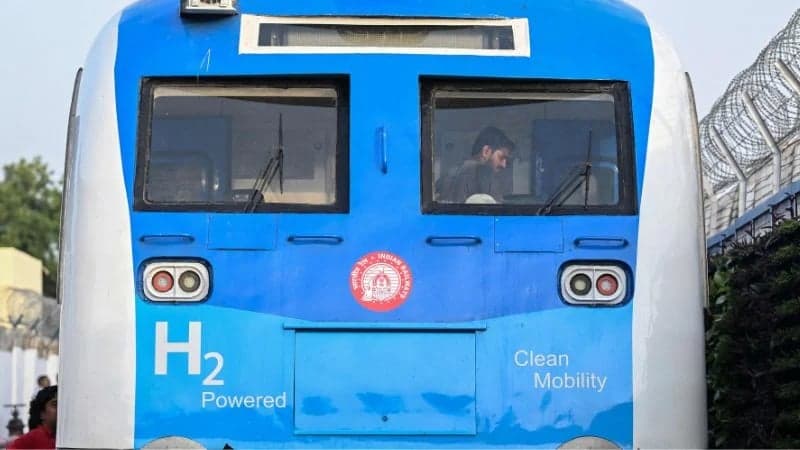

India has launched its first hydrogen-powered train, marking a major step toward greener rail transport and reducing dependence on fossil fuels.
The move places the country among a select group of nations using hydrogen fuel cell technology in railway operations.
Prime Minister Narendra Modi on Friday (July 17) inaugurated the 10-coach train on the 89-kilometre Jind–Sonipat route in the northern state of Haryana.
The train is powered by a 1,200-kilowatt hydrogen fuel cell propulsion system and represents a significant milestone in India's transition to clean energy transportation.
Unlike conventional diesel trains, hydrogen-powered trains generate electricity through a chemical reaction between hydrogen and oxygen inside fuel cells. The process produces only water vapour and heat as by-products, making it an environmentally friendly alternative with zero direct carbon emissions.
In a post on X following the inauguration, Modi described the project as "an important milestone" in India's journey toward self-reliance and sustainable development.
India's Ministry of Railways said the train was manufactured domestically, although key components, including the fuel cell system, were imported. A dedicated hydrogen storage and refuelling facility has also been commissioned in Jind to support the pilot project.
Railway officials said the demonstration project cost approximately $12 million to develop. While hydrogen-powered rail technology remains more expensive to operate than conventional trains, Indian authorities view it as a long-term investment in cleaner, low-carbon transportation.
Leave A Comment