
India sticks to previous positions on Rohingya, Ganges water sharing and Sheikh Hasina issues
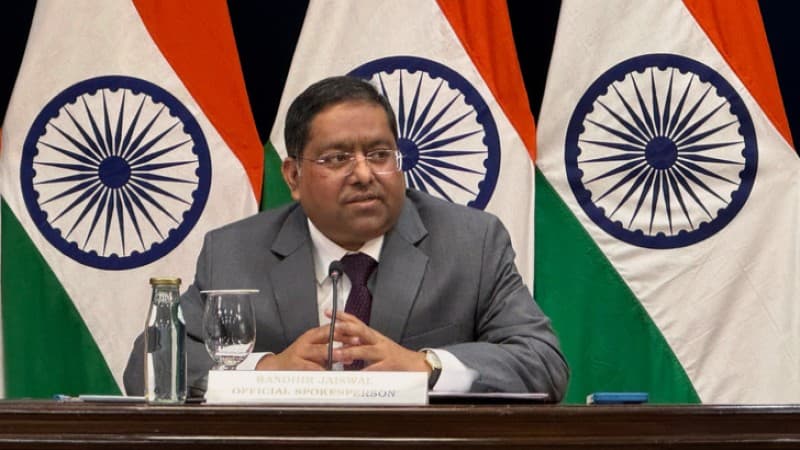

India has adopted a cautious stance on the International Court of Justice’s (ICJ) landmark ruling that Myanmar’s military acted with genocidal intent against the Rohingya, saying it has taken note of the verdict but stopping short of making any direct comment.
New Delhi also declined to clarify whether it would engage diplomatically with Myanmar over the ruling.
At the Indian Ministry of External Affairs’ weekly media briefing on Friday, spokesperson Randhir Jaiswal faced a series of questions on the ICJ ruling, the Ganges water-sharing treaty, remarks by Bangladesh’s Prime Minister Tarique Rahman and the extradition of ousted former prime minister Sheikh Hasina.
However, he offered little new information or any indication of a change in policy, largely reiterating India’s previous positions on the issues.
Cautious response to Rohingya genocide ruling
Asked about India’s position on the ICJ ruling concerning genocidal intent against the Rohingya, and whether New Delhi planned to contact Myanmar’s government, Jaiswal said:
“We have taken note of the ICJ ruling. India has consistently supported the safe, speedy and sustainable return of the displaced Rohingya population from Rakhine State.”
He did not offer a specific assessment of the ruling or clarify whether India would raise the matter with Myanmar through diplomatic channels.
Referring to India’s previous assistance to Rohingya refugees, Jaiswal said New Delhi had sent relief supplies to Rohingya camps in Bangladesh on five occasions under its ‘Operation Insaniyat’ initiative.
India has also supported the ‘Rakhine State Development Programme’ in Myanmar, aimed at creating conditions conducive to the eventual repatriation of Rohingya refugees.
No new position on Ganges water treaty
The 30-year Ganges Water Sharing Treaty, signed by Bangladesh and India in 1996, is due to expire on December 12. Journalists asked how far discussions on its renewal had progressed.
Jaiswal said the India-Bangladesh Joint Rivers Commission (JRC) provided an established framework for discussions on transboundary rivers and water resources, including the Ganges.
He added that India remained committed to maintaining a constructive and forward-looking relationship with Bangladesh while safeguarding its own interests.
Asked whether an upcoming JRC meeting would produce a final decision or whether discussions would remain at the technical level, Jaiswal said he had no fresh information and would need to check.
He also declined to clarify whether the treaty would be temporarily extended after its expiry or replaced with a comprehensive new agreement.
Nor did he indicate whether a renewal of the agreement, originally signed at prime ministerial level, would require the involvement of the two countries’ top political leadership or could be handled through official-level discussions.
Jaiswal said he had nothing to add beyond what he had stated at the previous three or four media briefings.
India responds to Tarique Rahman’s ‘political masters’ remarks
Journalists also asked about Prime Minister Tarique Rahman’s allegation that political figures based in New Delhi were encouraging protests by Awami League activists in Bangladesh.
Jaiswal declined to comment on Bangladesh’s internal developments.
He said India wanted to maintain a positive, constructive and forward-looking relationship with Bangladesh, building on the two countries’ shared history and cultural ties.
No update on Sheikh Hasina’s extradition
Asked whether there had been any progress on Bangladesh’s request for the extradition of former prime minister Sheikh Hasina, Jaiswal said he had no new information or update.
He referred journalists to the Indian government’s previous statements on the matter.
Leave A Comment