
Inflation eases slightly in June but stays above 9pc for third month
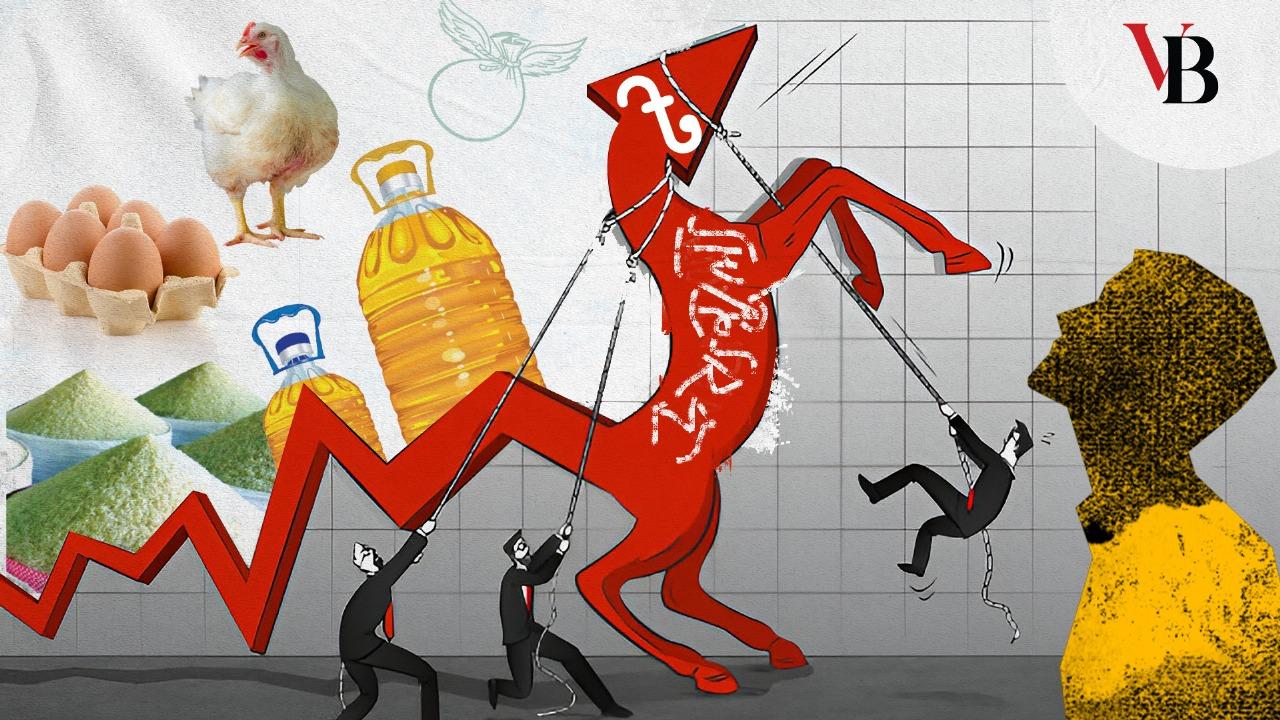

Inflation in the country eased slightly in June but remained above 9 per cent for the third consecutive month, according to the latest data from the Bangladesh Bureau of Statistics (BBS). The inflation rate stood at 9.16 per cent in June, the BBS said on Monday, July 6.
In May, inflation was 9.42 per cent — the highest in 16 months since February 2025.
Officials said the rise in fuel oil prices played a major role in keeping inflation high. Fuel prices were increased twice in April and May, and electricity prices were also raised in the last week of May. Higher fuel costs affect every aspect of daily life, from transport fares to production costs, ultimately forcing consumers to pay more for goods and services. This has put pressure on low and middle-income families.
According to the BBS, food inflation stood at 8.60 per cent in June, while non-food inflation was 9.61 per cent. Overall inflation, both in rural and urban areas, remains above 9 per cent. The average inflation rate for the outgoing 2025-26 fiscal year (July-June) was 8.68 per cent.
Wages rising slower than inflation
Low and middle-income people are feeling the pressure of inflation the most. Higher fuel prices have increased transport costs, pushing up the prices of vegetables, fish and meat in the market. Rice prices have also risen.
However, incomes have not increased at the same pace. According to BBS data, the national average wage growth rate in June was 8.18 per cent — lower than the inflation rate of 9.16 per cent. When wages do not keep pace with inflation, people's real income decreases, forcing them to either take on debt or cut back on food, clothing and transport. Low-income people are currently experiencing this reality.
Leave A Comment