

Inside the Epstein Files: Unraveling the web of crime, power, and influence
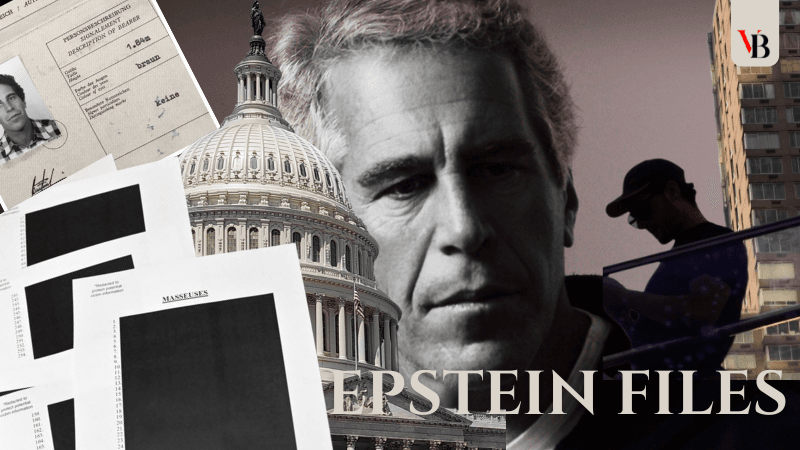

The Epstein Files have captured global attention, exposing the vast criminal and social networks of financier Jeffrey Epstein. Millions of pages of documents, photographs, emails, financial records, flight logs, and witness statements offer an unprecedented window into the operations of a man whose wealth, influence, and criminality intersected in ways that shocked the world.
Over the past decades, millions of pages of documents, photographs, emails, flight logs, financial records, and witness statements were collected as part of investigations into Epstein’s activities. These files offer an unprecedented window into the operations of a man who trafficked minors, cultivated relationships with global elites, and shielded his crimes through a complex web of influence and secrecy.
The Epstein Files constitute the complete archive of evidence amassed during decades of investigations into Epstein, beginning with local and state authorities in Florida, who in 2005 started probing sexual abuse and trafficking allegations. These early inquiries generated detailed police reports, witness statements, and evidence logs, which later formed the foundation for federal investigations.
The FBI and US Attorney’s offices subsequently opened grand jury proceedings and expanded inquiries into Epstein’s operations. In 2008, Epstein entered a controversial plea deal in Florida, which many criticised as too lenient given the scale of his offenses. The federal indictments in New York in 2019 reignited investigations, producing additional documents, flight logs, witness accounts, and financial records. The subsequent conviction of Ghislaine Maxwell in 2021–2022 for trafficking minors added further layers of evidence, expanding the archive of the Epstein Files.
The files are controlled primarily by US government agencies, including the Department of Justice (DOJ), the Federal Bureau of Investigation (FBI), and federal courts. Much of the material was previously sealed to protect the identities of victims, maintain grand jury secrecy, and preserve the integrity of ongoing investigations.
In November 2025, Congress passed the Epstein Files Transparency Act, mandating the public release of all unclassified documents. The Act required the DOJ to publish these records in searchable, downloadable formats while allowing redactions for victim protection and ongoing investigations. On December 19, 2025, the first batch of documents was released, followed by a massive disclosure on January 30, 2026, comprising over 3.5 million pages, including nearly 2,000 videos and 180,000 images.
Experts suggest additional materials may still be withheld, emphasising the vast scope of the archive.
The contents of the Epstein Files are diverse and comprehensive. Court documents include indictments, motions, plea agreements, sentencing memoranda, and depositions of victims and witnesses: emails and correspondence detail communications between Epstein, Maxwell, and a network of associates. Flight logs reveal the itineraries of Epstein’s private jets and yachts, including passenger lists and destinations spanning the globe. Photographs and videos, some depicting abuse, come from properties, social events, and private gatherings. Financial records expose bank statements, wire transfers, property documents, and corporate filings, illustrating the mechanisms Epstein used to maintain his wealth and influence.
Witness and victim statements provide sworn accounts of abuse, trafficking, and coercion, while tips submitted to law enforcement and journalists reveal additional leads. Collectively, the files document the breadth of Epstein’s criminal enterprise and the intricate social and professional networks he cultivated.
Under the Epstein Files Transparency Act (signed Nov 19 2025), the Department of Justice released an initial batch of hundreds of thousands of pages by the December 19 legal deadline. However, this release was heavily redacted, with some pages entirely blacked out, drawing bipartisan criticism for failing to meet the law’s requirements.
Lawmakers and transparency advocates expressed concern that key material was withheld or excessively redacted, sparking debates about how the law was being implemented.
Even before the January 2026 mass release, there were major political clashes: lawmakers like Rep. Ro Khanna and others pushed back against DOJ delays and incomplete disclosures after the transparency law’s original deadline.
Critics accused DOJ leadership of dragging its feet and failing to fully comply with the law — an issue that made headlines in US political coverage.
This political pressure was a major early driver of the continued phased releases of files.
The global implications of the Epstein Files have been far-reaching. In Slovakia, a national security adviser resigned after correspondence linking him indirectly to Epstein surfaced, though he denied wrongdoing. In Norway, Crown Princess Mette-Marit came under scrutiny for past correspondence with Epstein and publicly acknowledged her contact as “embarrassing,” offering an apology.
In the United States, several business leaders and politicians faced scrutiny, including Elon Musk, Bill Gates, Howard Lutnick, and Richard Branson. Musk confirmed minor mentions in the documents, emphasising his minimal association with Epstein’s criminal activities. Gates and other prominent figures were noted in emails or correspondence without any evidence of involvement in illegal acts.
Donald Trump’s name appeared in older photos and flight logs, but current releases do not indicate criminal activity.
In the United Kingdom, renewed attention has focused on Prince Andrew, whose previous associations with Epstein and Maxwell have been highlighted once more by the files.
In India, Prime Minister Narendra Modi’s name surfaced in connection with his 2017 official trip to Israel. Government officials categorically rejected any implication of wrongdoing, describing the reference as baseless and tied exclusively to official diplomatic business. The Ministry of External Affairs emphasised that there was no personal contact or meeting between Modi and Epstein. Opposition parties, notably the Indian National Congress, sought parliamentary discussion, asserting that even unverified associations could affect the nation’s image.
Additionally, prominent Indian-American filmmaker Mira Nair, mother of New York Mayor Zohran Mamdani, was noted in the files for attending a social gathering hosted by Ghislaine Maxwell, a reference that relates solely to social interaction rather than criminal conduct.
According to the Epstein Files, following the murder of journalist Jamal Khashoggi in 2018, Jeffrey Epstein wrote that UAE President and Abu Dhabi Ruler Mohammed bin Zayed (MBZ) had likely orchestrated the situation to implicate Saudi Crown Prince Mohammed bin Salman. Epstein characterised the incident as part of a broader conspiracy, claiming that details had been leaked through hacked video footage.
Documents also indicate that Epstein maintained connections with both Israeli and US intelligence agencies, and that he had received training under former Israeli Prime Minister Ehud Barak, highlighting the depth and reach of his global network.
These revelations illustrate how mentions in the files, even if innocent, can quickly become political flashpoints.
As of now, no verified international sources confirm the appearance of Bangladeshi public figures in the released files. While social media speculation circulates, these claims remain unverified, and the vastness of the files allows for misinterpretation or rumor to spread rapidly. However, an email uncovered in the recently released Epstein Files references Bangladesh’s renowned research organization, icddr,b (International Centre for Diarrhoeal Disease Research, Bangladesh). The message, sent to Jeffrey Epstein on April 17, 2014, by a close associate, described icddr,b as a “well-known institution” and proposed an investment in a long-term probiotic research initiative. The project was presented as a ten-year programme with a 3 percent guaranteed return, framed in the context of charitable or socially beneficial investment.
Further correspondence from within Epstein’s circle, captured in an iMessage dated July 14, 2015, discussed the earlier attempt to support research in Bangladesh. In the exchange, Epstein noted, “I tried once if you remember to help in Bangladesh, cholera, etc., millions later, crazy results all bad,” suggesting that the initiative did not yield the expected outcomes.
Additionally, an email from January 4, 2010, indicates that one of Epstein’s associates traveled to Bangladesh and India, although the purpose of the visit remains unclear. These communications illustrate Epstein’s broader interest in philanthropic and research projects, which were sometimes intertwined with his personal network and investment strategies.
The Epstein Files are significant not only for exposing abuse and trafficking of minors but also for illuminating networks of global influence that allowed Epstein’s crimes to persist unchecked for decades. They highlight the tension between transparency and victim privacy, provoke political debate, and serve as critical resources for journalists, researchers, and legal scrutiny. Mentions of high-profile figures, whether in social, diplomatic, or professional contexts, have prompted apologies, resignations, and calls for accountability in multiple countries. However, it is crucial to remember that appearing in the files does not equate to criminal culpability, and careful interpretation is necessary to avoid misattributing guilt.
In summary, collectively, these developments indicate that the Epstein Files represent not merely a singular occurrence but rather a sequence of ongoing legal, political, and social events that persist in influencing public discussions regarding accountability, transparency, and the boundaries of legal disclosure. These files have instigated extensive government document releases with worldwide ramifications, prompted inquiries into institutional adherence to transparency regulations, led to political resignations and public apologies beyond the United States, and rekindled discussions about the connections between influential individuals and contentious figures.
The continuing examination of these records underscores the importance of transparency, rigorous investigation, and vigilance in holding influential figures accountable, ensuring that victims’ voices are heard, and preventing similar abuses in the future.
Sources: Justice.gov, Wikipedia, BBC, AP News, The Guardian, KSAT News, Reuters, NDTV, The Week, myRepublica, Indian Express, Economic Times, BSS News, Hindustan Times, Lokmat Times.
Leave A Comment
You need login first to leave a comment