

Intel, LG Display may have beaten Apple, Qualcomm with the best laptop battery life ever
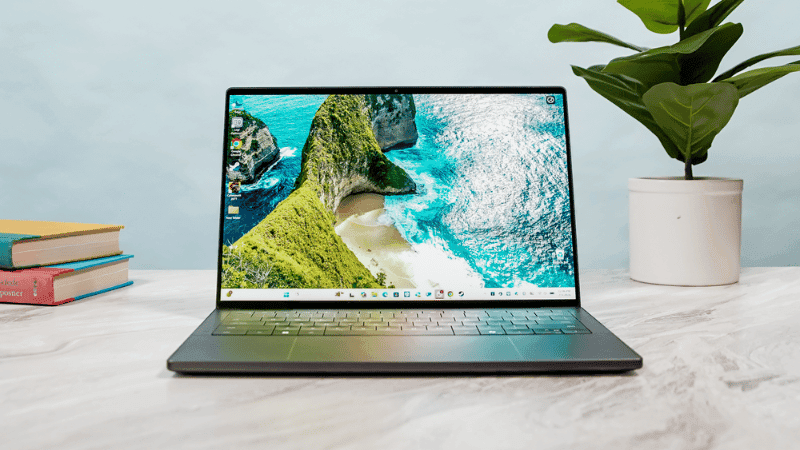

A new laptop configuration featuring technologies from Intel and LG Display may have set a new standard for laptop battery efficiency, potentially outperforming devices powered by Apple and Qualcomm chips.
Testing by Notebookcheck found that the latest Dell XPS 16 equipped with an LG Display variable refresh rate screen and Intel’s upcoming Intel Panther Lake processor delivered record-breaking battery performance in its Wi-Fi web browsing test.
The device, powered by an Intel Core Ultra 325 chip, consumed as little as 1.5 watts at idle and managed nearly 27 hours of web browsing despite using only a 70Wh battery. That performance surpasses the results Notebookcheck has recorded for any MacBook or MacBook Pro in the same test since it began in 2014.
Only two laptops have posted similar results in the database. One used a Qualcomm Snapdragon X Plus chip with a larger 84Wh battery and a standard 60Hz display, while another relied on a much larger 149Wh dual-battery setup, also paired with a 60Hz screen.
A key factor behind the efficiency appears to be LG Display’s new 1–120Hz variable refresh rate LCD panel, which can dramatically reduce power consumption when high refresh rates are unnecessary. The company recently announced it has become the first manufacturer to mass-produce a 1Hz laptop LCD panel, branded Oxide 1Hz, and plans to mass-produce an OLED version by 2027.
However, the longest battery life on the Dell laptop is achieved with a 1920×1200 non-OLED display without touchscreen support. Models with higher-resolution tandem OLED panels are expected to consume more power.
Intel is also expanding development of ultra-low refresh-rate displays beyond a single supplier. The company confirmed last year that it is working with Chinese display maker BOE to develop computers capable of running at 1Hz refresh rates.
Variable refresh rate technology is already common in mobile devices. For example, the Apple Watch Series 5 introduced a 1–60Hz display in 2019 to save power, while the Samsung Galaxy S21 Ultra and OnePlus 9 Pro later adopted similar adaptive refresh technologies for smartphones.
Leave A Comment
You need login first to leave a comment