

Iran allows Bangladesh-bound oil tankers to transit Strait of Hormuz
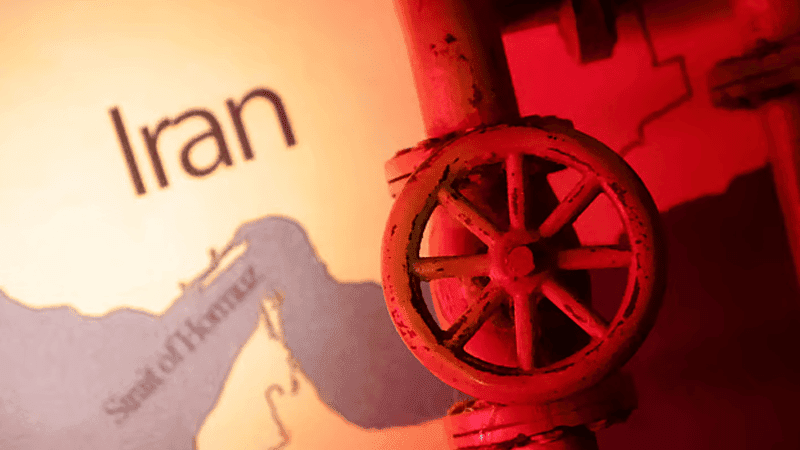

Iran has allowed oil tankers bound for Bangladesh, along with several other countries considered “friendly” or “non-hostile,” to pass through the Strait of Hormuz despite ongoing regional tensions that have disrupted global shipping.
A senior Foreign Ministry official told Anadolu that oil tankers bound for Bangladesh are allowed to cross Hormuz.
Another ministry official said there has been no “formal communication from Iran” specifically granting access but clarified that Bangladeshi vessels are “not subject to any restriction.”
Earlier, Iranian Foreign Minister Abbas Araghchi stated that ships from several countries, including China, Russia, Pakistan, Iraq, and India, had recently passed through the Strait of Hormuz.
Araghchi added that other nations, including Bangladesh, are also among those coordinating with Tehran for transit and that such arrangements will continue in the future, even after the war.
The ministry official in Dhaka, who preferred to remain anonymous because he was not allowed to speak to the media, noted that Bangladesh is not considered a hostile state, aligning with Iran’s stated policy of allowing transit for “non-hostile vessels.”
The move follows Iran’s broader position that vessels not involved in hostile actions can transit the strategic waterway under coordination with its authorities.
Countries such as China, India, and Pakistan are also understood to be among those benefiting from this selective access, as Tehran maintains restrictions on ships linked to its adversaries.
For Bangladesh, the development is significant because the country relies heavily on fuel imports routed through the strait, which currently faces reduced traffic due to Iran's restrictions after Tehran took complete control.
Earlier, reports had emerged that Dhaka-based Iranian Ambassador Jalil Rahimi Jahanabadi had asked Bangladesh to provide advance information about its fuel-carrying vessels.
The situation comes amid heightened conflict in the Middle East, which has significantly curtailed movement through Hormuz -- through which a substantial share of the world’s oil supply typically flows.
Bangladesh imports some 63% of its energy supplies from Gulf countries such as Saudi Arabia, the United Arab Emirates, and Iraq.
Bangladesh relies on liquefied natural gas (LNG), with approximately 64-75% coming from Qatar, its largest supplier, according to sources in Petrobangla, a government-owned oil, gas, and mineral exploration and distribution corporation in Bangladesh.
Bangladesh spent about $6.1 billion on oil imports and nearly $3.9 billion on LNG last fiscal, bringing the total major energy import cost to over $10 billion annually.
Leave A Comment
You need login first to leave a comment