

Iran, Oman to reopen Strait of Hormuz with new transit fees
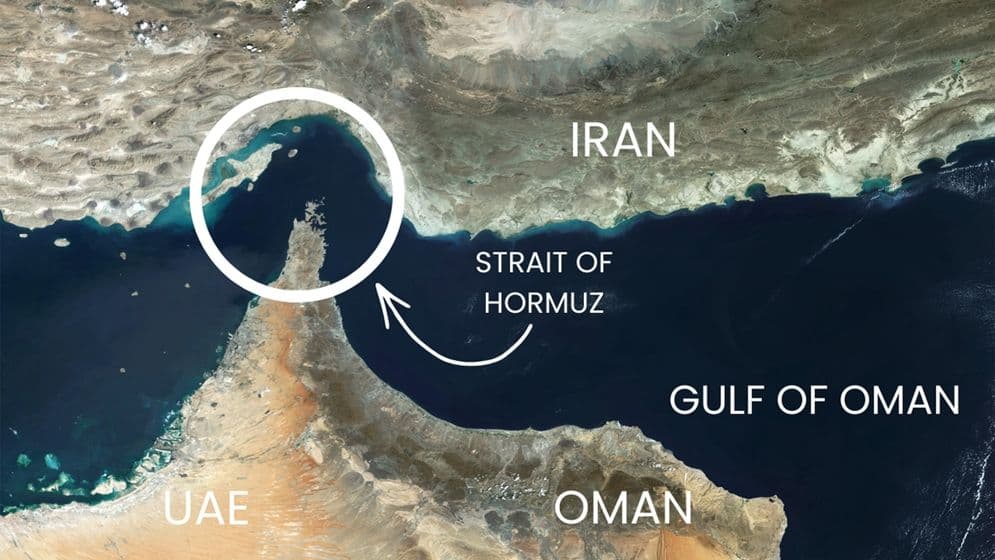

Iran’s Ambassador to Russia, Kazem Jalali, announced that Iran and Oman will co-determine new transit fees for ships passing through the Strait of Hormuz, framing the tolls as payment for services provided on Monday (June 8).
The strategic waterway, which handles one-fifth of global seaborne oil, has seen traffic plummet by 90-95% since conflicts escalated in late February 2026, creating a massive daily supply shortfall of 13 million barrels. While a full reopening could provide much-needed relief to global oil markets, the proposed fees risk a severe clash with the United States, Europe, and Gulf nations, who staunchly oppose tolls on the international waterway.
The enforcement details remain complex, as Oman—which shares stewardship of the strait—is facing intense U.S. pressure. While Oman resists breaking its ties with Iran and remains critical of recent escalations, its ambassador to Washington, Talal bin Suleiman al-Rahbi, recently reassured the US that the sultanate opposes a mandatory toll system and will uphold the principle of freedom of navigation.
Oman insists that any future management system for the strait must comply with international law and be implemented only after consulting the UN’s International Maritime Organisation.
Amid these tense maritime negotiations, Ambassador Jalali also noted that European nations play no role in the ongoing crisis talks between Tehran and Washington.
Leave A Comment
You need login first to leave a comment