
Iran to buy Chinese shoulder-fired air defence missiles
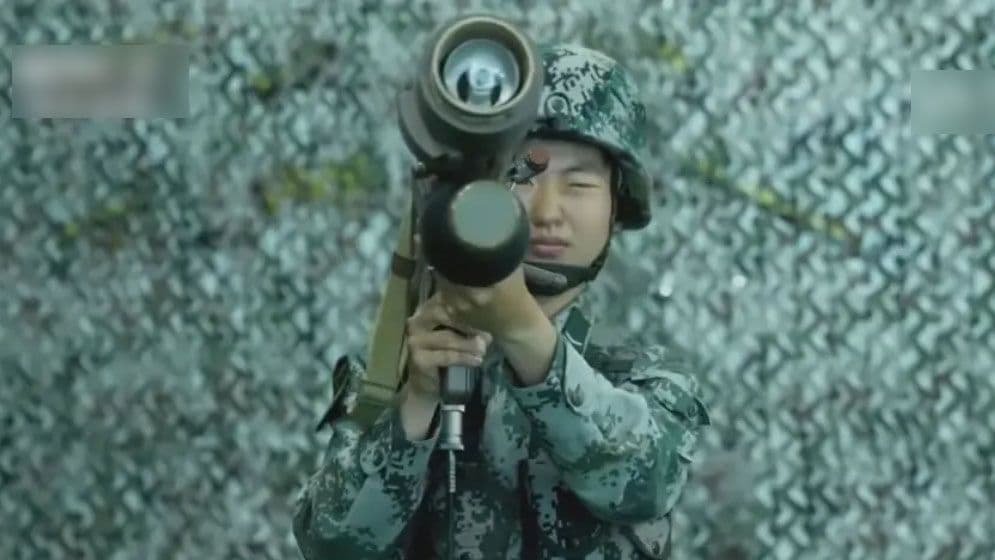

Iran is purchasing Chinese-made man-portable air defence systems (MANPADS) as part of efforts to rebuild its air defence network following its recent conflict with the United States and Israel, Reuters reported on Tuesday, citing three sources familiar with the matter.
The first shipment is expected to arrive in Tehran within the coming weeks.
According to the report, the deal is worth between US$60 million and US$70 million and includes the purchase of 300 to 400 MANPADS, including the Chinese-made QW-12 and FN-16 missile systems.
The acquisition is seen as one of Tehran's most significant post-war efforts to strengthen its short-range air defence capabilities.
The sources said the agreement was brokered by Hong Kong-based Zhongqing Baoshang International Investment, which acted as an intermediary between the Iranian side and Chinese suppliers.
During the recent months of fighting, US and Israeli strikes reportedly damaged several Iranian military facilities linked to its missile, drone and air defence programmes. Iran responded with ballistic missile and drone attacks of its own.
The conflict highlighted the limitations of Iran's ability to protect fixed military and strategic installations against advanced fighter aircraft and precision-guided weapons.
Although the United States has paused its bombing campaign for the past two weeks, President Donald Trump has warned that strikes could resume if talks to end the conflict fail, despite a ceasefire that has technically been in effect since April.
Defence analysts say the QW-12 and FN-16 are infrared-guided, shoulder-fired surface-to-air missile systems designed to engage low-flying fighter aircraft, helicopters and drones. Their portability and rapid deployment make them particularly suitable for defending military bases, energy infrastructure and other strategic facilities.
Although considered less capable than the newer QW-18 and QW-19 series, analysts believe the QW-12 remains effective against low-altitude aerial threats.
The acquisition is expected to significantly expand Iran's short-range air defence inventory and is also seen as a sign of deepening military ties between Tehran and Beijing. Despite years of international sanctions, the purchase highlights Iran's continued reliance on foreign suppliers alongside its domestic arms production.
Reuters had previously reported that Iran was also close to finalising a separate deal to purchase Chinese anti-ship cruise missiles, although the news agency said it could not independently confirm whether that agreement was ultimately completed.
Leave A Comment