
J&J proposes $5.5 billion settlement in baby powder cancer risk cases
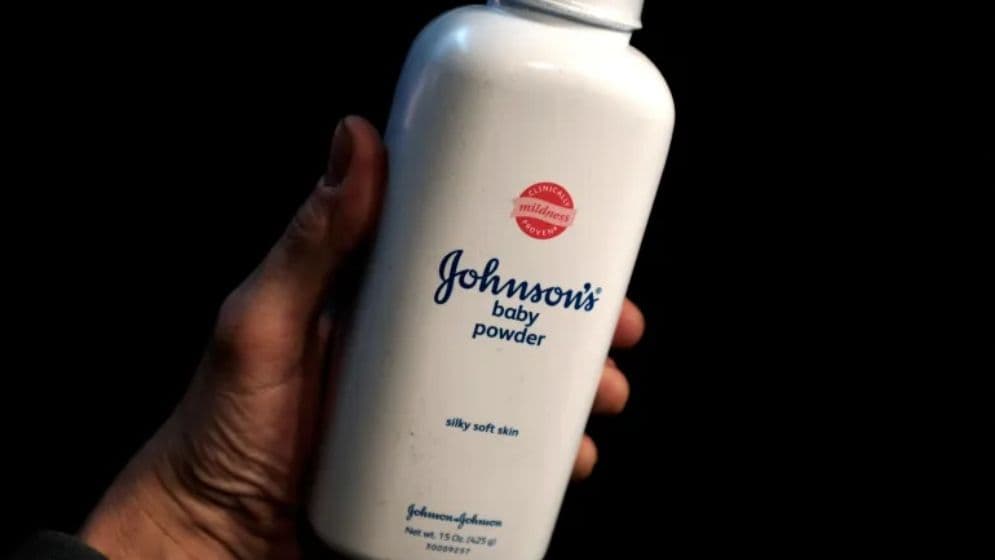

Johnson & Johnson has proposed a nearly $5.5 billion settlement to resolve thousands of lawsuits in the United States over allegations that its baby powder and other talc-based products caused cancer. The settlement, offered on Monday (July 27), aims to end a decade-long legal battle.
According to the company, the settlement would cover approximately 69,000 cases consolidated in a federal court in New Jersey and various state courts, representing about 99.75 percent of the remaining talc-related lawsuits. However, the proposal requires the approval of at least 95 percent of the law firms representing ovarian cancer claimants in state or federal courts before it can take effect.
Erik Haas, Vice President of Litigation at Johnson & Johnson, said the allegations against the company are "baseless and scientifically weak." However, they chose to pursue a settlement to reach a final resolution. He argued that had the litigation continued, the company would ultimately have won, as it had prevailed in the majority of cases tried so far. But a settlement would allow them to focus more on research and developing new medical products.
Lead plaintiffs' attorney Chris Seeger welcomed the settlement as a logical conclusion to the decade-long legal battle. He said thousands of women and their families, who had been waiting for years through three failed bankruptcy attempts, would finally receive fair compensation. He noted that unlike previous bankruptcy proposals, this settlement does not include future claims, allowing more funds for current plaintiffs and ensuring all claims would be resolved within a year and a half, compared to the decade-long timelines of earlier offers.
Talc is a naturally occurring mineral composed of magnesium, silicon, oxygen and hydrogen, widely used in baby powder for its smooth feel. Plaintiffs have claimed that the asbestos found in this mined talc caused their cancers, as talc deposits are often located near asbestos, a known carcinogen.
Johnson & Johnson has consistently denied these claims, asserting that its talc is safe and asbestos-free. In 2024, the World Health Organization (WHO) classified talc as "probably carcinogenic" to humans, though the company has disputed this classification.
Under pressure, the company stopped selling talc-based baby powder in the US and Canada in 2020, and in 2022 announced it would cease production and sales worldwide, focusing instead on cornstarch-based baby powder.
It is worth noting that similar cases are also pending in the UK, involving more than 7,000 potential claimants and considered one of the largest product liability cases in UK history. Monday's settlement proposal applies only to the US cases and is unrelated to the UK lawsuits.
Leave A Comment