
Legendary singer Abdul Jabbar's 9th death anniversary today
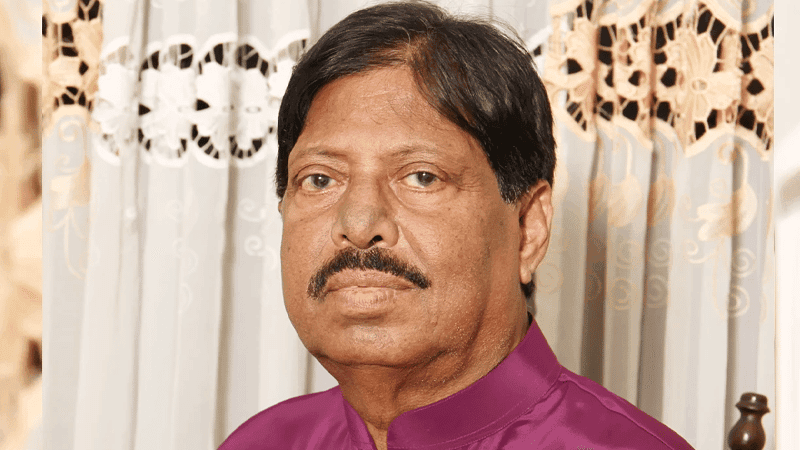

Legendary singer Abdul Jabbar, whose powerful voice became closely associated with the Liberation War and patriotic music, is being remembered today (August 30) on his ninth death anniversary.
Jabbar, best known for iconic songs including Salam Salam Hazar Salam, Joy Bangla Banglar Joy and Tumi Ki Dekhecho Kobhu Jiboner Porajoy, died on August 30, 2017, while undergoing treatment.
Born in Kushtia on February 10, 1938, Jabbar developed a passion for music from an early age. He later received training from Ustad Osman Gani and Ustad Lutful Haque.
He began his professional career as an enlisted singer with Radio Pakistan in 1958 and made his film debut in 1962. From 1964, he became a regular artist of Bangladesh Television.
But the defining chapter of his career came during the 1971 Liberation War. As a singer at Swadhin Bangla Betar Kendra, his patriotic songs became a source of courage and inspiration for freedom fighters and millions of people at home.
Jabbar also travelled across India during the war, performing at refugee and freedom-fighter camps and helping build public support for Bangladesh’s independence. He performed mass songs with harmonium and appeared at various programmes alongside legendary Indian singer Hemanta Mukherjee.
He donated 1.2 million Indian rupees earned through his performances to the relief fund of the Bangladesh government-in-exile.
His legacy extended well beyond the Liberation War. In a 2006 BBC Bangla audience poll of the 20 greatest Bengali songs of all time, three of his songs—Tumi Ki Dekhecho Kobhu Jiboner Porajoy, Salam Salam Hazar Salam and Joy Bangla Banglar Joy—made the list.
His contribution to music and the Liberation War earned him some of Bangladesh’s highest honours, including the Bangabandhu Gold Medal in 1973, the Ekushey Padak in 1980 and the Independence Award in 1996. He also received a lifetime achievement award and the Zahir Raihan Film Award in 2011.
Jabbar was hospitalised in July 2017 with complications involving his kidneys, heart and prostate. He was moved to intensive care on August 1 as his condition deteriorated and died on August 30 at the age of 79.
Nearly a decade after his death, his voice remains deeply woven into the country’s cultural memory, particularly through the songs that became anthems of the country’s struggle for independence.
Leave A Comment