

Settlement outside court
Mediation method getting mandatory nationwide
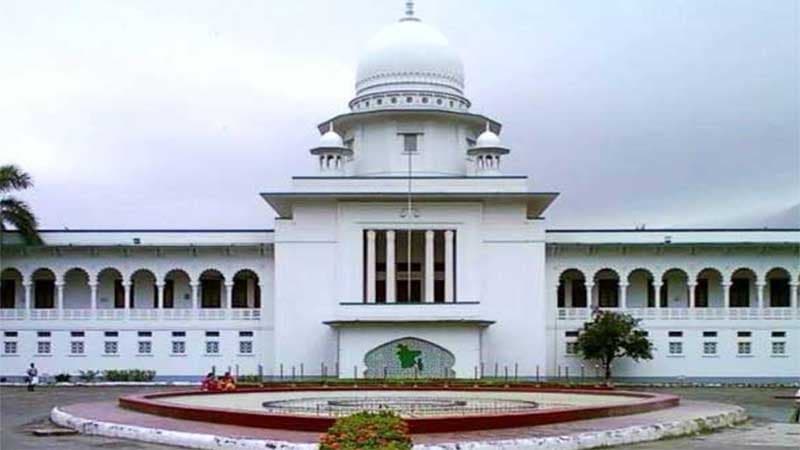

The Magna Carta law was enacted in England in 1215. Bangladesh’s current criminal and civil legal systems are built upon this law with some modifications. Despite this, there is a backlog of approximately 4.2 million cases in the country’s courts. The British law itself states that “justice delayed is justice denied.” To save litigants’ time, labor, and expenses while reducing case backlogs, mandatory mediation will soon be required for case settlements nationwide. Based on guidelines issued by the Supreme Court, the government is implementing mediation in all judicial courts across the country.
The Supreme Court has issued directives to enforce the mediation provisions within sections 89(A) and 89(C) of the Code of Civil Procedure and section 22 of the Artha Rin Adalat Ain (Financial Loan Court Act), among other relevant laws. According to these guidelines, plaintiffs and defendants are encouraged to resolve disputes through out-of-court mediation, with the court’s permission. If disputes are settled through this process, the court must be informed, and even the court fees may be refunded. Sources from the Ministry of Law indicated that, based on the Supreme Court’s directives, the decision to make mediation mandatory in all courts across the country will be implemented within this year. Most civil cases and certain criminal cases will be encouraged to be resolved through this method.
The Ministry of Law and Justice Division has already issued preliminary and preparatory instructions to all judicial courts, urging them to make necessary preparations for dispute resolution via mediation. A final directive on this matter is expected within the next month. The Law Commission previously finalized and sent the mediation procedure to the Ministry of Law, with specific guidelines on how to settle disputes through mediation.
Mediation is a process where plaintiffs and defendants resolve disputes through a mediator appointed by the court. According to the relevant laws, mediators are appointed to help resolve disputes within a stipulated timeframe, which can be extended if needed. If the dispute remains unresolved, the parties can return to court to continue the legal process. A mediator, usually a neutral and trained individual, assists the parties in addressing their conflicts.
In Bangladesh, two types of mediation exist. One is personal or institutional mediation, and the other is court-annexed mediation. In personal mediation, parties resolve conflicts with the help of a mediator without going to court, later presenting the settlement report in court. In both types, any settlement decision must be reported to the court. In court-annexed mediation, if a dispute is resolved, the court fees are refunded upon notifying the court. This method is applicable when one party files a case against another in court, and the court, if satisfied, facilitates mediation between the parties by appointing a mediator to resolve the case-related issues.
Senior lawyer of the Supreme Court, Manzill Murshid, shared his views on the matter with Views Bangladesh, saying, “Mediation is a pathway through which peace can be established in society. This method is widely practiced in various countries, contributing to case backlog reduction. I wholeheartedly welcome the swift decision to implement this process nationwide. However, skilled mediators must be available in each district to avoid complications.”
Legal adviser Dr. Asif Nazrul remarked to Views Bangladesh, “I believe mediation will become the most popular approach in future dispute resolution, allowing cases to be settled quickly and at a lower cost without going through lengthy court processes. Hopefully, mandatory nationwide implementation will be achieved within the next couple of months.”
Attorney General Md. Asaduzzaman also told Views Bangladesh, “Settling cases through traditional judicial processes can be expensive and time-consuming, often taking years without resolution. In contrast, mediation enables both parties to win. It fosters a ‘win-win situation’ where neither side feels defeated. Mandatory mediation will accelerate case settlements and reduce backlogs, benefiting the general public seeking justice.”
Leave A Comment
You need login first to leave a comment