
Migrants under temporary protection ordered to leave US
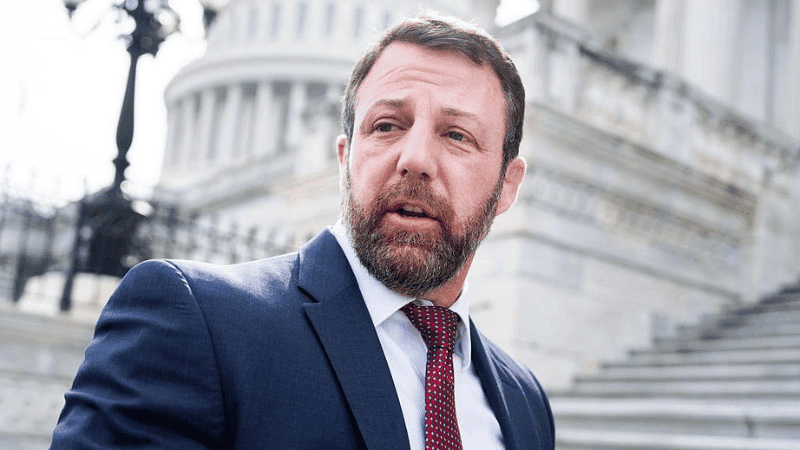

Migrants living in the United States under Temporary Protected Status (TPS) must find a legal pathway to permanent residency or prepare to return to their home countries, according to US Homeland Security Secretary Markwayne Mullin.
The Homeland Security Secretary clarified the government's position during an interview on CNN’s "State of the Union" program on Sunday (June 28). The statement follows a significant ruling by the US Supreme Court last week that allowed the Trump administration to cancel the temporary protected status for hundreds of thousands of citizens from Haiti and Syria.
Mullin stated that individuals currently under TPS must either complete the necessary legal paperwork to establish a permanent status or the government will assist them in returning to their respective nations. He further noted that those willing to return voluntarily would be provided with airline tickets along with approximately $2,100 in financial assistance to help them restart their lives. Mullin emphasized that both the court's ruling and the name of the program itself underscore that it is a temporary safety measure rather than a permanent settlement option.
Under US federal law, TPS offers foreign nationals temporary legal residence and work authorization if they are unable to safely return to their home countries due to ongoing armed conflict, natural disasters, or other extraordinary crises. While previous administrations routinely extended these protections, the current Trump administration has moved to dismantle them.
The policy shift comes even as the US State Department maintains its highest travel warnings for both Haiti and Syria, advising American citizens against travel to these nations due to widespread violence, crime, terrorism, and kidnapping risks. The US originally granted TPS to Haitian nationals following a catastrophic earthquake in 2010, while Syrian nationals received the status after the outbreak of civil war in 2012.
During the 2024 presidential campaign, President Donald Trump made false claims regarding Haitian immigrants living in Ohio, accusing them of abducting and eating their neighbors' pets. However, in its ruling, the conservative majority of the Supreme Court stated that challengers were unlikely to succeed in proving that the administration's decision to terminate the protections was motivated by racial bias.
Leave A Comment