
Nepal flood-hit areas face acute shortages of medicines, safe water
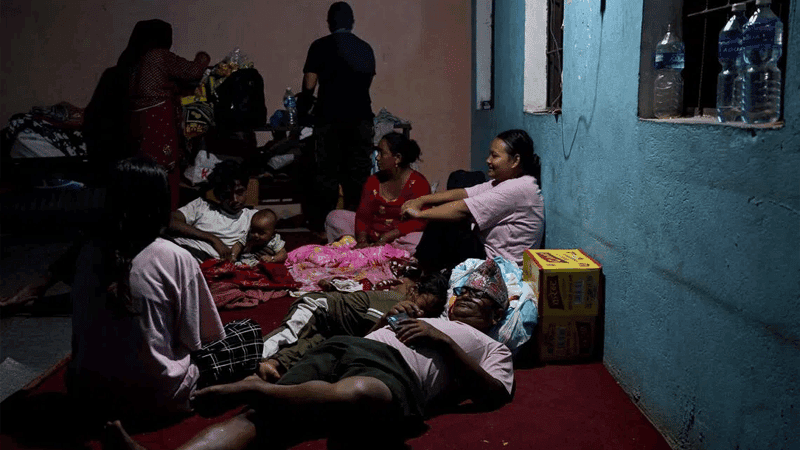

Nepal’s flood-hit areas are facing severe shortages of essential medicines and safe drinking water, raising fears of a fresh health crisis as thousands remain displaced in shelters.
At Trishuli Hospital, stocks of several critical medicines are running low, according to reports and local sources.
Pharmacist Maheshwar Yadav said medicines for high blood pressure had already run out, while supplies of other drugs were also rapidly depleting.
Additionally, many displaced people suffer from chronic conditions such as diabetes, hypertension and asthma but are struggling to obtain their regular medication.
Rekha Devi Gosai, one of the flood victims, said she had gone three days without her prescribed medicines.
The disruption of roads and bridges has also made it difficult to transport critically ill patients. A woman in labour at a nearby shelter had to be airlifted to Kathmandu on Saturday after road transport became impossible.
Safe drinking water has emerged as another major concern. Floodwaters damaged local water sources, while the collapse of a canal at the Trishuli hydropower project and the destruction of a main water pipeline in Tupche have left residents dependent on unsafe water.
Around 1,000 people are sheltering in three camps near the hospital, including pregnant women and new mothers. Limited access to clean water and sanitation has heightened the risk of waterborne diseases.
Dr Rajendra Lama, medical superintendent at Trishuli Hospital, warned that overcrowding, poor sanitation and unsafe water could trigger outbreaks of disease if urgent measures are not taken.
Residents have also complained of inadequate food supplies, particularly for pregnant women, new mothers and people with health problems. With bridges damaged, access to hospitals and emergency medical services has become increasingly difficult, while helicopters are not always available.
The disaster has also created security concerns, with only a small number of police officers deployed around the hospital and reports of daytime looting. Shortages of essential goods have further fuelled black-market activity and pushed up prices.
With medicine, clean water, healthcare, sanitation, food and security all in short supply, flood-hit communities now face the risk of a secondary humanitarian and public health crisis.
Source: The Kathmandu Post
Leave A Comment