
Nepal tightens press-pass rules for journalists covering flood-hit areas
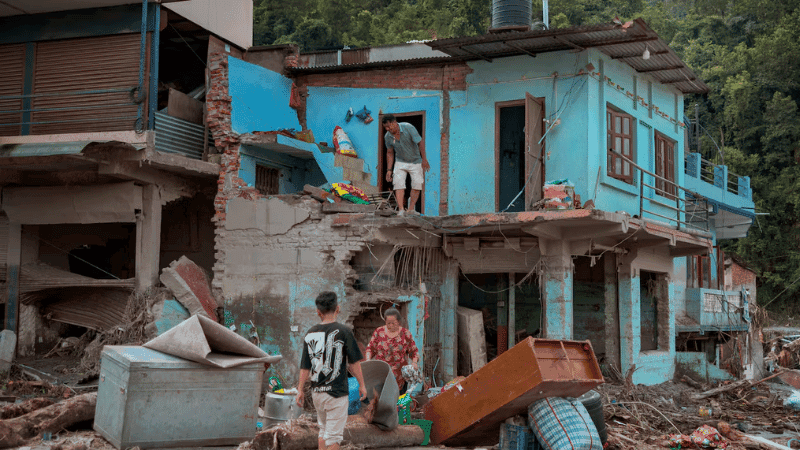

Nepal has tightened procedures for both domestic and foreign journalists seeking to report from areas affected by the country’s recent floods, requiring additional documentation before they can obtain press accreditation.
The directives were issued by the Information Administration Department and Press Section under Nepal’s Ministry of Communication and Information Technology, according to The Kathmandu Post.
Under the guidelines, foreign journalists must submit copies of their passports and valid visas, along with appointment or contract letters from their media organisations. They must also provide a recommendation from their employer and another from the foreign ministry of their home country or its embassy or consular office in Nepal.
However, Information Department spokesperson Govinda Prasad Pandey said the requirements do not represent a new policy. He said they are part of the department’s longstanding procedure for issuing press passes to foreign journalists working in Nepal under existing printing and broadcasting regulations.
The requirements come as international media organisations have sent reporters to flood-hit areas following severe flooding in the Bhotekoshi River early Wednesday.
Foreign journalists already in Nepal but without press passes must obtain accreditation before beginning their reporting. Reports produced without a valid press pass will not be considered authorised, according to the directive.
Applicants must submit their media ID cards and details of their salaries and allowances, followed by an online application. Once approved, journalists must visit the Information Department in person with two passport-sized photographs to collect their press representative certificate and journalist ID.
Pandey said the department would remain open even on public holidays to ensure foreign journalists do not face delays or difficulties while seeking accreditation.
Nepali journalists will also have to apply online for press accreditation. Their required documents include a citizenship certificate, appointment and recommendation letters from their media organisations, educational certificates, proof of registration renewal or updating of their organisations, an undertaking and bank statements showing regular salary or allowance payments.
A Communication Ministry official, speaking on condition of anonymity, said the measures were primarily intended to monitor foreign journalists working in Nepal and maintain records of their activities.
Leave A Comment