
New Zealand targets social media giants with under-16 ban plan
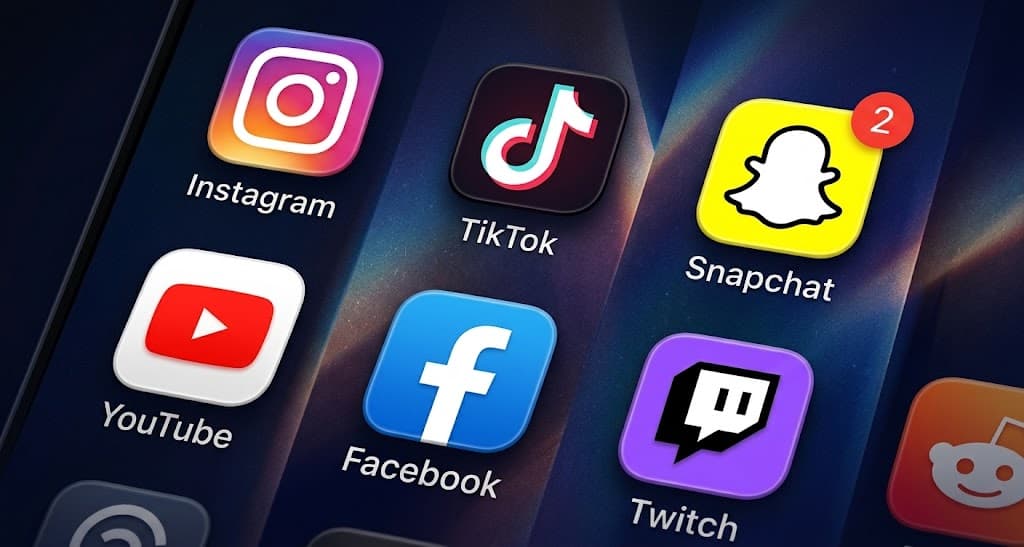

New Zealand is preparing to put social media companies under greater pressure to keep children off their platforms, with the government planning a ban on social media access for people under 16.
Prime Minister Christopher Luxon said Monday (August 24) that legislation would be introduced in Parliament soon, making platforms responsible for taking reasonable measures to prevent underage users from opening or maintaining accounts.
The proposed rules would come with potentially steep financial penalties. Companies found failing to enforce the age restriction could be fined as much as 10% of their global revenue.
The government has not prescribed a single method for checking users’ ages. Social media firms could use information already linked to accounts, facial-recognition systems or digital identification tools to establish whether someone is old enough to use their services.
Luxon said the move was driven by concerns over the impact of social media on children, pointing to harmful content, addictive design and online social pressures. He said those risks can spill into children’s mental wellbeing, sleep, education and relationships with their families.
The proposal, however, could face resistance from within Luxon’s own coalition. New Zealand First leader Winston Peters, who serves as foreign minister, has rejected the idea and questioned whether the government should be regulating children’s social media use in this way.
Peters has pointed to Australia, which introduced restrictions on social media access for under-16s last December. The Australian rules cover major platforms such as TikTok, YouTube, Instagram and Facebook. Peters has described the Australian experiment as a failure and argued that parents should have the final say over their children’s online access.
Luxon concedes that no ban is likely to be watertight. Children may find ways around age checks, he said, but that does not outweigh the need to act.
The proposed law is therefore likely to trigger a broader debate in New Zealand over where responsibility for children’s online safety should lie—with governments, technology companies or parents.
Leave A Comment