
Over 270 crore people at health risk due to second-hand smoke: Study
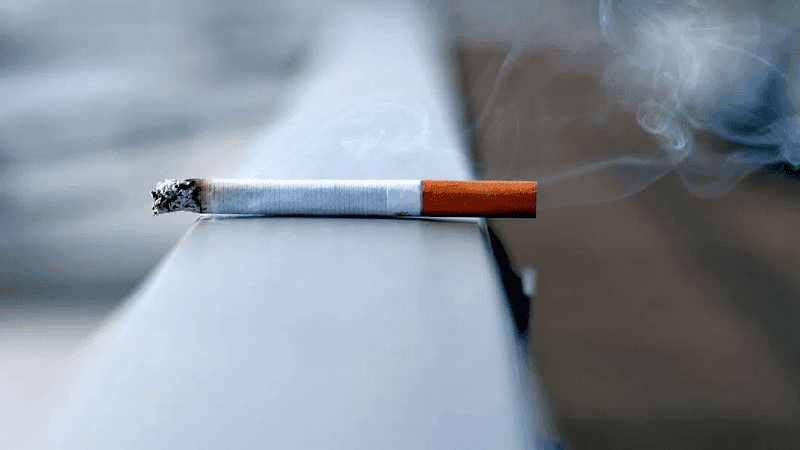

More than 270 crore people worldwide are at health risk due to second-hand smoke, including 76 crore 70 lakh children aged 14 or younger. New research published in The Lancet on Tuesday, September 8, found that second-hand smoke caused approximately 16 lakh 66 thousand premature deaths in 2023.
The study said tobacco remains one of the leading causes of disease and death globally. In 2023, about 80 lakh people died from smoking-related diseases. A significant number of them were non-smokers who died from diseases caused by exposure to other people's smoke.
Researchers said there is no safe level of second-hand smoke exposure. The most damage was caused by ischemic heart disease, where the heart muscle does not receive enough oxygen.
The study analysed data from 204 countries and regions between 1990 and 2023 to determine the prevalence of second-hand smoke and its disease and mortality burden. Researchers analysed studies published in PubMed, the US National Institutes of Health research database, and population-based surveys.
According to the study, among the 270 crore people exposed to second-hand smoke in 2023, 76 crore 70 lakh were children aged 14 or younger. The same year, children had an estimated 52 lakh respiratory tract infections due to second-hand smoke.
Second-hand smoke mainly comes from two sources: smoke directly from burning cigarettes or tobacco products, and smoke exhaled by smokers. Non-smokers are harmed by exposure to these fumes in the surrounding air.
The study said smoke from burning tobacco does not pass through any filter, so the concentration of toxic and cancer-causing chemicals can be higher than what the smoker directly inhales.
Researchers also noted that while smoking rates have declined significantly globally since 1990, the total number of people exposed to second-hand smoke has not decreased as much. Global population growth and increased exposure in parts of Africa and the Middle East were cited as reasons.
The study also found that women are disproportionately affected by second-hand smoke. In regions where smoking rates among women are low, they are at risk due to smoking by other household members.
Despite the major health risk for women, researchers said the issue is still not given enough importance. Ensuring smoke-free environments and reducing exposure to second-hand smoke is crucial for public health protection.
Leave A Comment