
Over 48,000 migrants return to Morocco as Spain's Ceuta border crisis eases
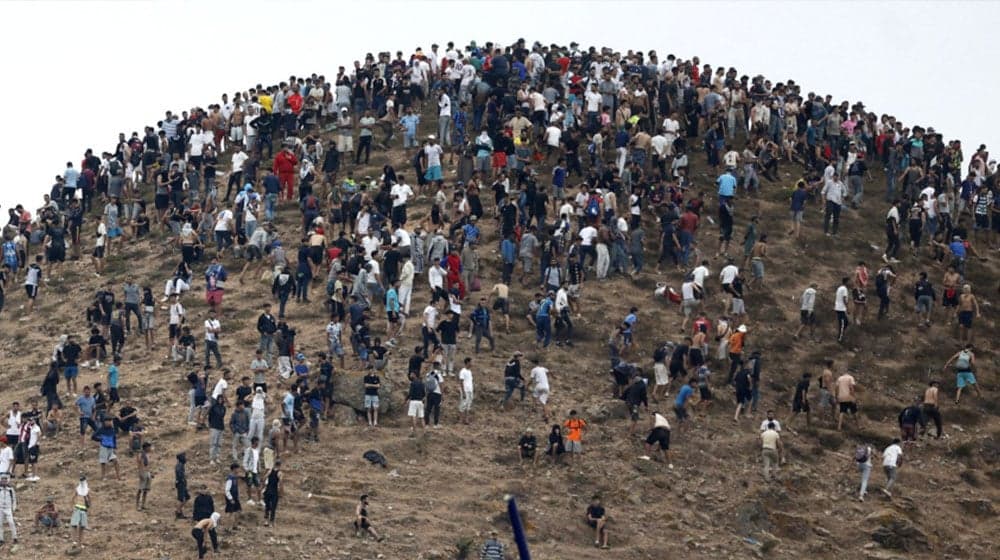

More than 48,000 migrants have voluntarily returned to Morocco after an unprecedented surge of attempted crossings into the Spanish enclave of Ceuta, easing one of the most significant border crises in the territory's history.
According to Spanish authorities, nearly 50,000 migrants entered or attempted to enter Ceuta from Morocco beginning early Thursday, while local officials estimate the total number of crossings and attempted entries approached 60,000 over two days. More than 7,000 of those were minors.
Local media reported that at least 57 migrants were killed during the crisis, with many believed to have drowned while attempting to reach Ceuta by sea or dying in stampedes near the border. Rescue operations and efforts to verify the final death toll are continuing.
Ceuta President Juan Jesús Vivas said the influx was equivalent to nearly 70 percent of the enclave's population, which stands at around 83,600, placing unprecedented pressure on local authorities and emergency services.
Spanish Prime Minister Pedro Sánchez visited Ceuta to assess the situation, describing the mass influx as a serious challenge to Spain's territorial integrity. He blamed human trafficking networks for exploiting a recent ruling by Spain's Supreme Court and misleading migrants into attempting the dangerous crossing.
In response, Spain has reinforced security in both Ceuta and Melilla, deploying additional military personnel and security forces to the two North African enclaves.
The crisis has also triggered political repercussions across Europe. Italy has temporarily suspended Schengen border arrangements with Spain, prompting criticism from Madrid.
Authorities also reported fresh attempts to cross into Melilla, where between 300 and 400 migrants reportedly reached the border overnight.
Many of those attempting the journey were women and children, including infants. While migrants usually swim several kilometres along the coastline to reach Ceuta, eyewitnesses said some managed to cross by walking along the rocky breakwater before entering the sea.
Questions remain over why Moroccan border forces were unable—or failed—to prevent such a large-scale movement of migrants toward the Spanish territory.
Leave A Comment