

Protect low-income people from harsh winter
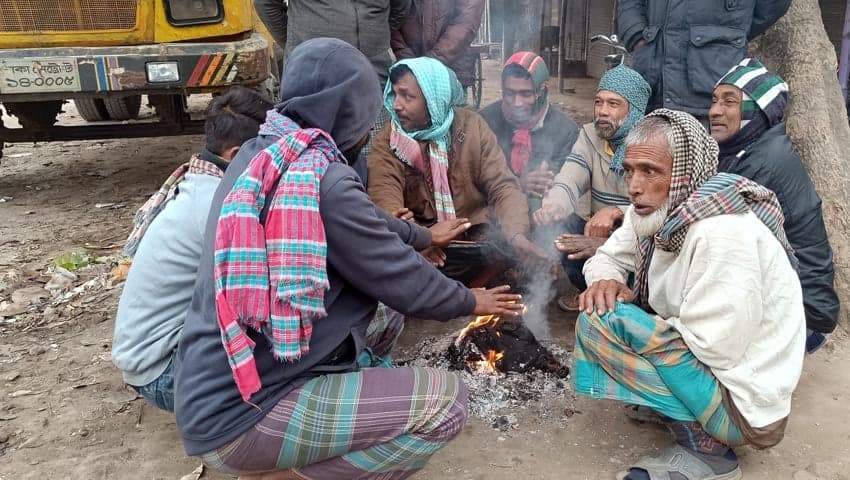

The severe cold is still a distressing natural disaster for low-income people in our country, especially for those in the Sylhet and northern regions. In these areas, the cold is not only intense but also compounded by a lack of adequate clothing and blankets to ward off the chilling cold. On one hand, people are struggling desperately to protect themselves from the extreme cold, and on the other, during winter, many find it hard to make ends meet as their work opportunities dry up.
According to a report published in the media on Thursday (January 9), light rain and chilly winds have been blowing in the northern district of Kurigram since Wednesday afternoon. The freezing cold has left the lives of the people in the district in distress. In the chilling cold, rickshaw pullers, day laborers, porters, and agricultural workers are facing the most hardship. Additionally, people living in slums, working-class individuals, and those in riverbank areas and char regions are suffering even more. With no work available, these low-income workers are worried about how to provide for their families.
Once upon a time, various social relief programs were launched to protect marginalized and vulnerable people from the cold. Blankets, winter clothing, and essential items like medicine and food were distributed among the people in need. However, these initiatives have significantly reduced in recent years. This year, such efforts have been notably fewer. Last year, during the floods, particularly in the southern regions, there was an extraordinary response from people across the country to help flood victims. However, many may not realize that winter, like a flood, is also a severe natural disaster for certain people. Winter brings with it several perilous side effects, one of the most significant being that many people are forced to remain indoors due to the biting cold. This is especially difficult for those who live hand-to-mouth. This aspect of winter is often the most neglected. Even when people receive winter clothes and blankets, many do not have enough food and go hungry with their families.
According to available information, many workers, rickshaw pullers, and low-income people in various districts have received blankets but no food aid. In the Ulipur upazila of Kurigram, there are around 2,000 registered workers and 3,000 in the district town. Apart from them, many rickshaw pullers are also in need. To date, no rickshaw puller in Ulipur has received a blanket or food aid. In the district town, 41 people received 10 kg of rice, and 40 people were given one blanket each. For this winter, only a fraction of rickshaws are operating on the streets. There is no work to be found in the fields.
The government must step forward with more assistance to protect those suffering from the cold. Special attention must be given to safeguarding children and the elderly from this biting winter. In addition to providing warm clothing, nutritious food must also be ensured, along with the necessary medicine. Alongside the government, people with means must take necessary initiatives to protect low-income individuals from the severe winter. We hope that this truth remains unwavering in our society and state: "Man is for mankind."
Leave A Comment
You need login first to leave a comment