
Quality of food for patients in govt hospitals needs to be enhanced
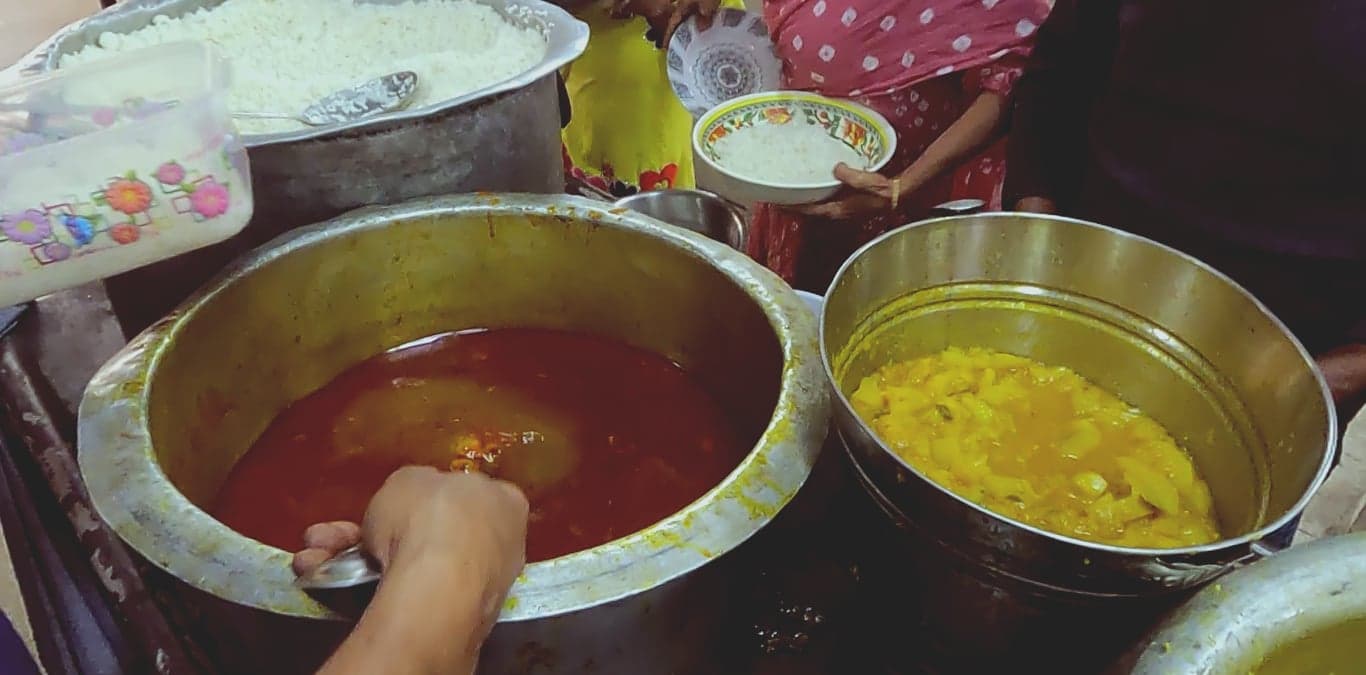

There has been ongoing disorder about the quality of food provided to patients in government hospitals for many years. Patients go to hospitals with hopes of receiving proper treatment and returning home healthy. However, if patients end up staying in the hospital for extended periods due to consuming inadequate food, it becomes concerning for the nation.
Due to complicated illnesses, many patients are compelled to stay in hospitals for days. From a few days to weeks, and sometimes even months, some patients end up spending years in hospital care. It is commonly observed that patients with lower incomes are more likely to be admitted to government hospitals due to lower medical expenses. However, complaints regarding irregularities and mismanagement in their food and nutrition provision remain unresolved.
The main headline of a national daily yesterday (March 11) compelled us to revisit the ongoing issue once again, titled 'Decreased Allocation for Patient Food, Poor Quality.' Such reports have been published in newspapers and aired on television multiple times over the past few years. It has been highlighted that even healthy individuals can fall ill after consuming hospital food.
Everyone knows that the food and diet of a patient are integral to their treatment. Any irregularity in this regard can delay recovery and increase the patient's expenses. Both the illness and the age of the patient determine specific dietary requirements. It is necessary to provide food according to the patient's age, weight, and type of illness, mapped with their calorie intake. According to available information, in many government hospitals across the country, including the capital, the employment of nutritionists has been merely nominal. It seems that sufficient attention is not being given to this matter. Environmental deficiencies in hospital kitchens are also noticeable.
Hospital authorities have informed that two years ago, the daily meal allowance for each patient in government hospitals was 125 Taka. Since the onset of the COVID-19 pandemic in 2022, the allowance has been increased to 175 Taka, with a 15% VAT deduction. However, for patients in the Burn Institute ICU and HDU units, the allowance is set at 300 Taka. Government hospital staff members are stating that providing good quality food for the daily allowance of 175 taka in the current market is difficult.
In government hospitals, the food provided for patients is often of inferior quality, and what is allocated is sometimes stolen. As a result, water is mixed with lentils, cheaper rice is provided, and the rice has a bitter smell. The bananas provided for breakfast cannot be eaten. Bread is of extremely low quality.
Many patients cannot afford to eat hospital food, so they buy food from outside and consume it. Some say they are compelled to do so. We know that for long-term treatment, countless patients from various districts come to Dhaka. Perhaps they have no relatives in Dhaka. The hospital becomes their only shelter. Often, patients' relatives bring food from outside and feed the patients, even though they are obliged to eat hospital food.
However, if the hospital food is not tailored to the patient's dietary requirements but is only provided as a mandatory service to adhere to regulations, it will not yield significant benefits in terms of treatment. In such cases, not only will the patient's medical expenses increase, but there will also be wastage of government funds. This is detrimental to both the country and its people.
In this situation, we emphasize that government hospital authorities need to be more vigilant regarding patients' meals. Simply increasing the budget for food may not be sufficient; there is a need to ensure adequate and skilled manpower for comprehensive management of food preparation.
The Consequence of cheap goods often results in poor quality. And if this holds true in the field of healthcare, it would be unfortunate for the country.
Leave A Comment