
Rituparno Ghosh: A filmmaker who gave Bengali cinema a new language
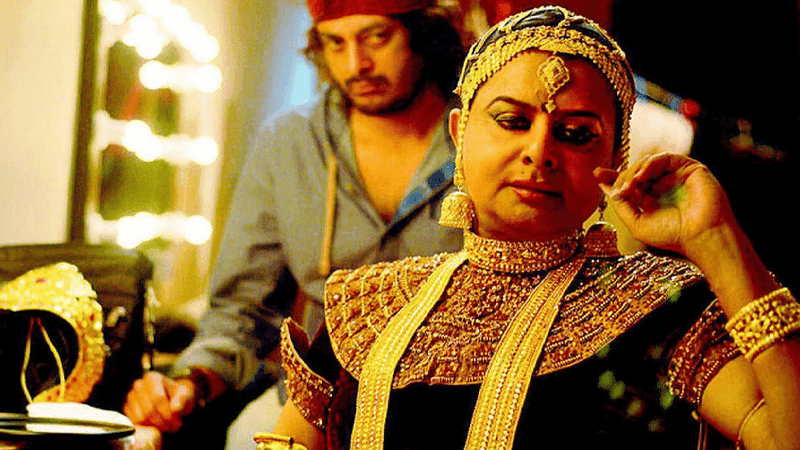

Rituparno Ghosh, the filmmaker who brought intimacy, emotional depth and uncommon sensitivity to Bengali cinema, is remembered today on his birth anniversary.
Born on August 31, 1963, in Kolkata, Ghosh grew into one of the most influential filmmakers of his generation. His films explored relationships, loneliness, women’s inner lives, family tensions and human vulnerability with a rare emotional honesty, creating a cinematic language that remains distinctive even years after his death.
The son of documentary filmmaker and painter Sunil Ghosh, Rituparno studied at South Point High School before earning a degree in economics from Jadavpur University. He began his career in advertising before entering cinema as a director with Hirer Angti in 1992, based on Shirshendu Mukhopadhyay’s novel.
What followed was a remarkable body of work that included Unishe April, Dahan, Asukh, Bariwali, Utsab, Titli, Shubho Mahurat, Chokher Bali, Antarmahal, Khela, Shob Charitro Kalponik, Abahoman and Chitrangada.
Several of his films received National Film Awards, reflecting both their artistic merit and cultural impact.
Ghosh also successfully crossed linguistic boundaries. His 2004 Hindi film Raincoat, based on an O. Henry story, brought him wider recognition, while The Last Lear saw him direct legendary actor Amitabh Bachchan.
Cinema was not his only creative arena. Ghosh worked as an editor of the Bengali film magazine Anandlok from 1997 to 2004 and also stepped in front of the camera. He acted in films including Arekti Premer Golpo and Memories in March. Before his death, he completed the shooting of Satyanneshi, based on the adventures of Bengali detective Byomkesh Bakshi.
For many viewers, however, Ghosh’s greatest contribution was the way he turned ordinary human emotions into compelling cinema. His stories often unfolded within homes and relationships, yet addressed questions of identity, desire, grief, social expectations and personal freedom.
He brought particular attention to women’s experiences and complex emotional worlds, giving his characters a depth that resonated far beyond the screen. His films were often quiet in their presentation but powerful in the questions they raised.
Rituparno Ghosh died of a cardiac arrest in Kolkata on May 30, 2013, at the age of 49. His passing left a significant void in Bengali cinema.
More than a decade later, that void remains palpable—but so does his influence. His films continue to be watched, discussed and revisited, while his distinctive storytelling continues to inspire audiences and filmmakers.
Rituparno Ghosh may have left the world too soon, but the stories he told—and the emotional worlds he opened up—continue to live on.
Leave A Comment