

Ruppur nuclear plant fuel loading explained: process, purpose
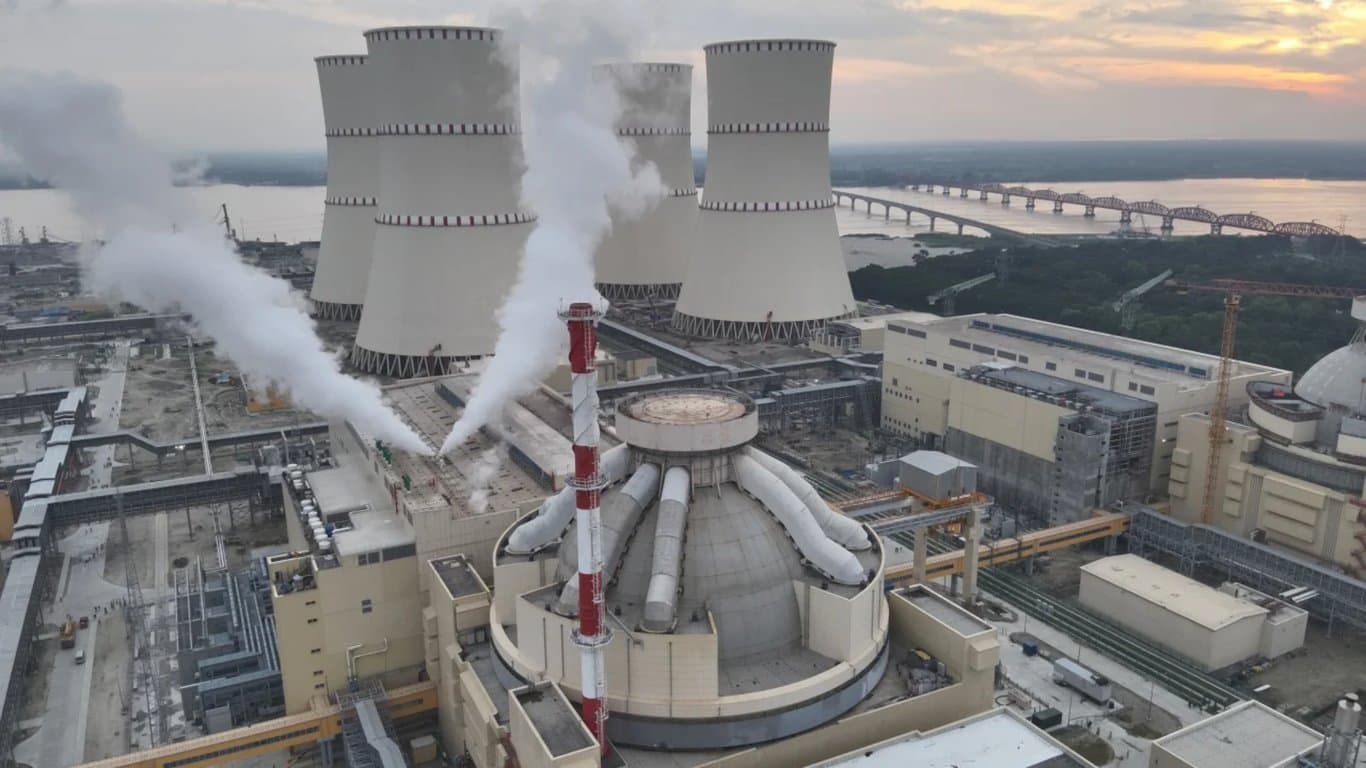

A new chapter in Bangladesh's nuclear history has begun today. 'Fuel loading'—that is, the process of inserting nuclear fuel uranium into the reactor—has officially begun in the first unit of the Ruppur Nuclear Power Plant. Through this, Bangladesh has made its name as the 33rd country using nuclear energy in the world.
What is Fuel Loading?
Fuel loading is a highly sensitive and final technical process of inserting nuclear fuel into the reactor core of a nuclear power plant. It is one of the most important milestones in the life cycle of a nuclear power plant—because it is through this step that the path to electricity generation opens for the first time.
Instead of coal, gas or oil, nuclear power plants use small pellets of uranium as fuel—each weighing only four and a half to five grams. To protect these pellets from radioactive radiation, the 'fuel assembly' is made by arranging them inside special tubes made of zirconium alloy. The process of placing those assemblies inside the reactor is called fuel loading.
How does this process work?
A full-scale exercise was completed in September 2024 with ‘dummy fuel’ before the start of fuel loading. All the reactor systems, transport equipment and loading equipment were tested with a fuel-free mock assembly to ensure that everything was working properly.
In the actual loading process, the inside of the reactor is completely filled with water, because water prevents radioactive radiation. Then, with the help of a specialized and automated fuel loading machine, a total of 163 fuel assemblies are placed one by one in the designated place in the reactor core with great precision. The position of each assembly is predetermined — this ‘core configuration’ determines the reactor’s performance and safety.
During the entire loading, the system remains in a ‘sub-critical’ state — that is, no nuclear reaction has yet started. The neutron monitoring system is kept on at all times. After installing all the assemblies, the control rods are also tested separately to see if they are working properly. This entire process takes about 45 days to complete.
If all the tests are successfully completed, the most awaited moment comes—‘First Criticality’. At this stage, controlled nuclear reactions start in the reactor for the first time and the path to electricity generation is opened. Once the fuel is loaded, it is possible to get uninterrupted electricity for 18 months.
No compromise on safety
Trained Bangladeshi operators and fuel handlers are doing this work with the direct assistance of experts from Russia’s Rosatom. The International Atomic Energy Agency (IAEA) is monitoring the account of each fuel rod through real-time software. The used radioactive waste will be sent back to Russia in a special system and will be safely stored 400 meters below the ground.
What next?
After the fuel loading is completed, there is a plan to experimentally connect 300 megawatts of electricity to the national grid next August after various technical tests and inspections. The first unit is expected to be fully operational by the end of this year or early next year. If the second unit is also commissioned by 2027, the plant will generate a total of 2,400 megawatts of electricity, meeting 10 to 12 percent of the country's total electricity demand.
Leave A Comment
You need login first to leave a comment