

Samsung galaxy XR gains “auto spatialization” 3D upgrade
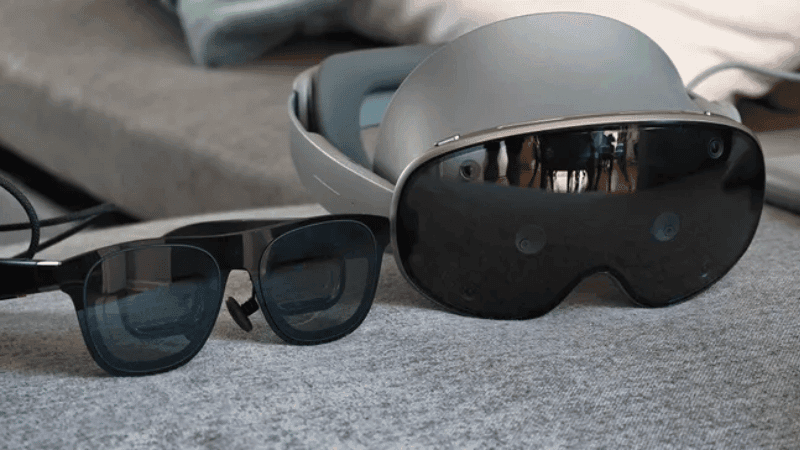

The mixed-reality space is getting another push forward as Samsung’s Galaxy XR headset receives a new update powered by Google’s Android XR platform, introducing an experimental feature that can convert standard 2D content into immersive 3D-like visuals.
The feature, known as Auto Spatialization, is designed to analyze depth cues inside any app and dynamically reposition visual elements in virtual space. In practice, this can make objects in games or videos appear layered at different depths, creating a pseudo-3D experience without requiring native 3D content.
Early demonstrations show the system working with apps like Minecraft and YouTube, where foreground and background elements appear separated in space. However, the effect is inconsistent, with users reporting occasional switching between flat 2D and spatial 3D views, especially in video playback.
A promising idea still in testing
According to early impressions, Auto Spatialization operates at the system level using AI-based scene interpretation. This allows it to potentially work across all apps rather than being limited to select content. However, because the feature is still in a testing phase, performance varies significantly depending on the app and type of media.
Users can enable the feature through Android XR’s Labs section in settings, where it can be toggled under advanced experimental options.
Smart glasses still offer more stable experience
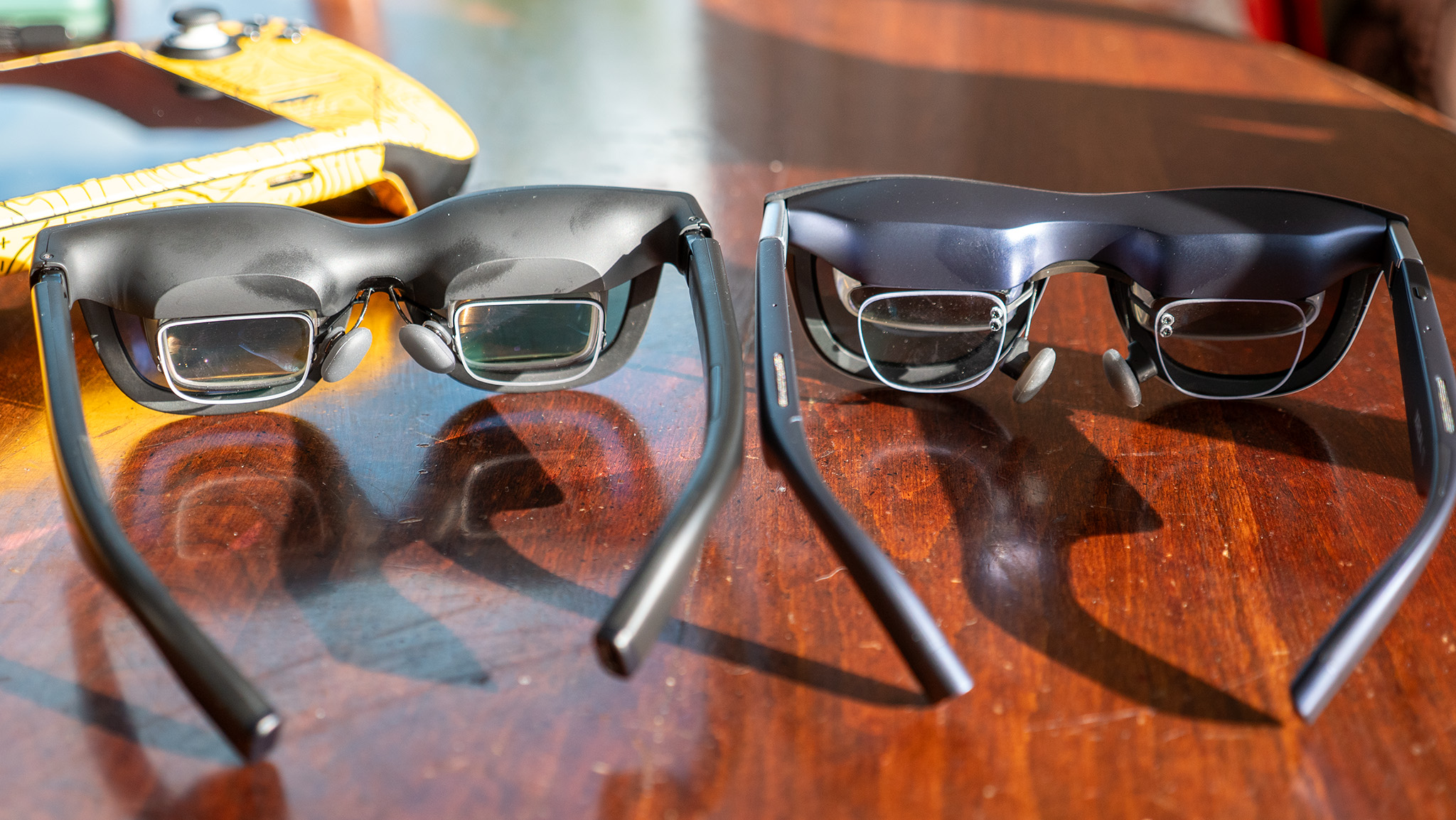
Despite the innovation, dedicated smart glasses continue to hold an advantage in reliability. Devices such as Xreal One Pro from XREAL provide a more consistent 2D-to-3D conversion experience using onboard hardware processing.
Unlike Galaxy XR’s software-based approach, Xreal’s system is more stable and predictable—though it applies a uniform 3D effect to all content, which can sometimes feel unnatural for menus and non-visual interfaces.
Trade-off between quality and stability
While Galaxy XR offers higher visual fidelity thanks to its advanced display system, its spatial conversion still needs refinement. In contrast, smart glasses deliver smoother operation but with limitations such as lower flexibility and capped performance in some modes.
Industry observers suggest that once Android XR’s spatial AI matures, headset-based systems like Galaxy XR could surpass current smart glasses in realism and compatibility.
For now, both approaches highlight a growing trend in XR computing: transforming traditional 2D content into immersive spatial experiences, even if the technology is still finding its footing.
Leave A Comment
You need login first to leave a comment