

Saudi Arabia appoints over 9,000 music teachers
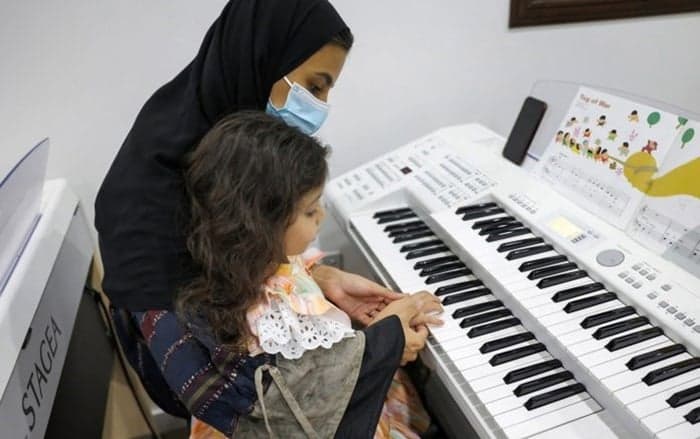

Saudi Arabia has hired over 9,000 teachers to introduce music education in public schools across the kingdom. This initiative marks a significant cultural shift as part of the country’s broader Vision 2030 reforms, led by Crown Prince Mohammed bin Salman, which seek to diversify the economy and modernize society by promoting arts, entertainment, and education.
The mass recruitment of music teachers reflects Saudi Arabia’s efforts to expand the cultural horizons of its youth, breaking away from a traditionally conservative approach to education. The introduction of music in schools was once considered taboo, but the kingdom is now actively promoting music as a core component of its educational curriculum, reports Muslimmirror.
Saudi Arabia’s Ministry of Culture and Ministry of Education are spearheading the initiative, which includes the establishment of specialized music departments in schools. The teachers, many of whom have been trained in classical music, Arabic musical traditions, and modern genres, will guide students in understanding music theory, instruments, and performance.
Officials from the Ministry of Culture hailed the move as a milestone for Saudi education. “Music education is vital for fostering creativity, cultural appreciation, and emotional intelligence in our youth,” said one official. “It will also create new career opportunities for young Saudis in the arts and entertainment sectors.”
The introduction of music education comes amidst a wave of changes in Saudi Arabia, as the kingdom continues to loosen its restrictions on entertainment and cultural activities. In recent years, the country has opened cinemas, hosted international music festivals, and welcomed performances by global artists—moves that were unthinkable just a decade ago.
Vision 2030 aims to increase the country’s cultural footprint, with the arts playing a key role in reducing the kingdom’s reliance on oil by promoting new industries such as tourism, entertainment, and culture.
While the initiative has been largely welcomed by progressive groups, it has also faced some resistance from more conservative elements within Saudi society who argue that music education could erode traditional values. However, ‘the government has pressed forward, emphasizing that cultural education will complement, not conflict with, Islamic principles’.
The introduction of music classes also represents a significant change for students, many of whom will now have access to formal music education for the first time. Schools across the kingdom are expected to roll out music programs gradually, ensuring that infrastructure, instruments, and trained staff are in place to support the new curriculum.
Saudi Arabia’s push to modernize education through the arts is part of a larger effort to empower its youth and prepare them for the global economy. Music education, once viewed as a foreign concept, is now being embraced as a tool for cultural development and national identity building.
As Saudi Arabia continues to transform under Vision 2030, the inclusion of music in the educational system signals a new era for the kingdom—one where tradition and modernity coexist, and the arts play a central role in shaping the future.
Leave A Comment
You need login first to leave a comment