
State of emergency declared in Fiji as HIV infections rise
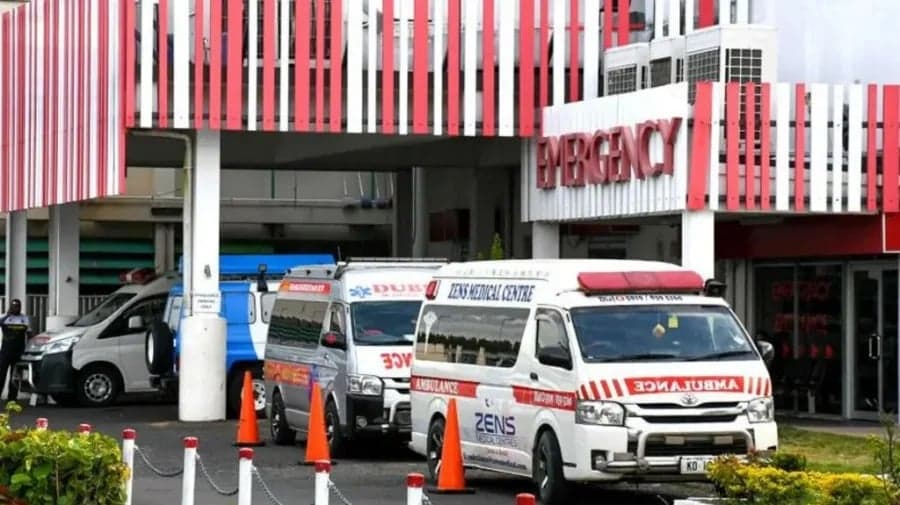
A national state of emergency has been declared in the Pacific island nation of Fiji due to an alarming rise in HIV infections. The country’s government has taken initiatives to expand the scope of HIV testing, treatment and preventive services to tackle the situation.
British media outlet BBC reported on Thursday that 2,016 people were newly detected with HIV in Fiji in 2025. According to information given by the country’s Health Minister Antonio Lalabalavu, currently one in every 60 adults is infected with HIV. Five years ago this rate was one in every 167.
According to experts and non-government organizations, the infection is spreading in Fiji due to drug use, unsafe sexual relations, the use of the same needle by multiple persons and a risky method of drug intake known as ‘bluetoothing’. The government has decided to launch a programme to supply safe needles and syringes to prevent the infection.
According to data from the United Nations AIDS agency UNAIDS, of the 9,100 people living with HIV in Fiji in 2025, only 39 percent knew about their infection. And only 22 percent were receiving antiretroviral treatment. The global average rate of receiving this treatment is 78 percent.
Jason Mitchell, head of Fiji’s National HIV Response Taskforce, said it may take the country more than five years to bring the current situation under control. The increase in infections has also created additional pressure on the healthcare system.
UNAIDS has welcomed the declaration of a national state of emergency in Fiji. The organization's Executive Director Winnie Byanyima said the HIV situation can change rapidly. Therefore, it is necessary for countries to keep their health and social systems prepared to tackle emergency situations.
Leave A Comment