
‘Super El Niño’ could cause 450,000 heat-related deaths over next six months: Study
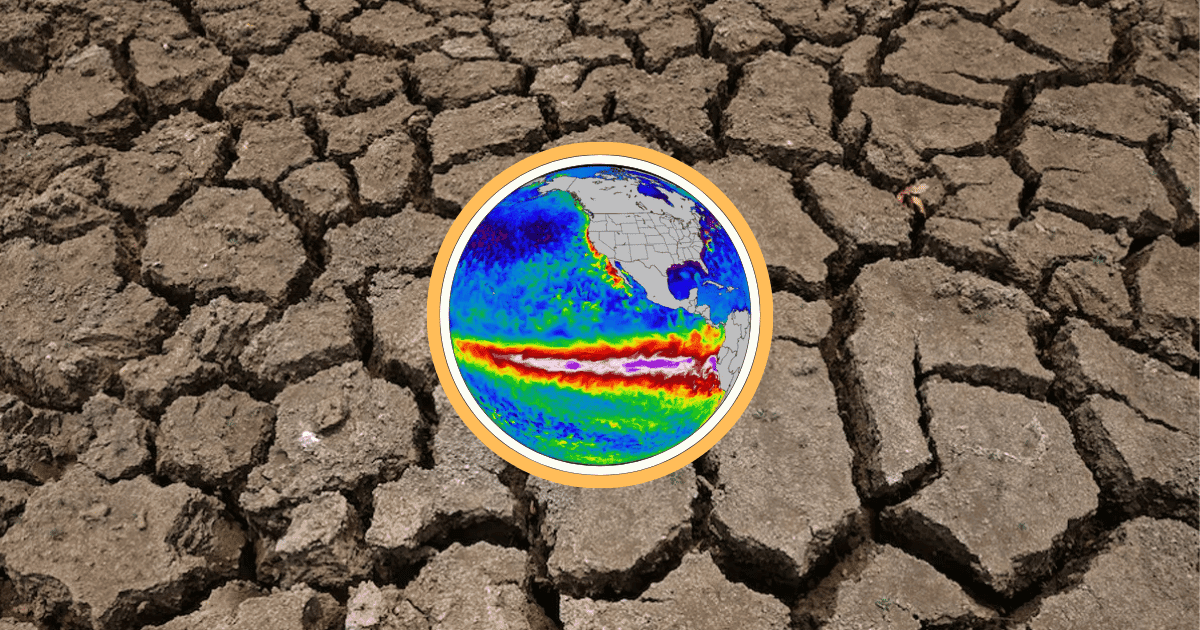

The powerful “Super El Niño” expected this year could intensify extreme heat worldwide, potentially causing an additional 451,000 heat-related deaths through February, researchers at the Climate Impact Lab at the University of Chicago have warned. The figure is not a count of actual deaths, but an estimate of excess deaths compared with a normal year.
A research report published Wednesday said the number of extremely hot days during the period could increase by about 44% compared with normal conditions. Researchers also estimated that El Niño could push global land temperatures significantly above average.
Among the countries considered most at risk of excess heat-related deaths over the next six months are Nigeria, Indonesia and Sudan. From September 2026 through February 2027, the study estimates about 31,400 excess deaths in Nigeria, 19,300 in Indonesia and 17,600 in Sudan.
The situation could also be particularly concerning in Africa’s Sahel region. Researchers estimate that Nigeria, Sudan, Niger and Chad could see a combined 66,800 additional deaths over the six-month period. In Southeast Asia, the Philippines, Vietnam, Thailand and Cambodia could collectively experience about 19,400 excess deaths.
The study said the projected number of deaths could rise if El Niño’s effects persist beyond 2027. Countries in the Northern Hemisphere, particularly India and Pakistan, could face a greater risk of heat-related deaths during the summer months. According to the researchers, the excess heat caused by El Niño could continue for several months even after February.
The Climate Impact Lab described this year’s El Niño as “a postcard from the future.” Researchers said the temperatures currently being experienced could become normal conditions in many regions within a few decades as climate change continues. They therefore stressed the importance of strengthening emergency heat-response measures in high-risk areas in the coming months.
Michael Greenstone, co-founder of the Climate Impact Lab and an economist at the University of Chicago, said the estimates could help policymakers identify areas where immediate action could save a large number of lives in the coming months.
Source: Reuters
Leave A Comment