

Rivers are drying up
Take effective measures to conserve rivers
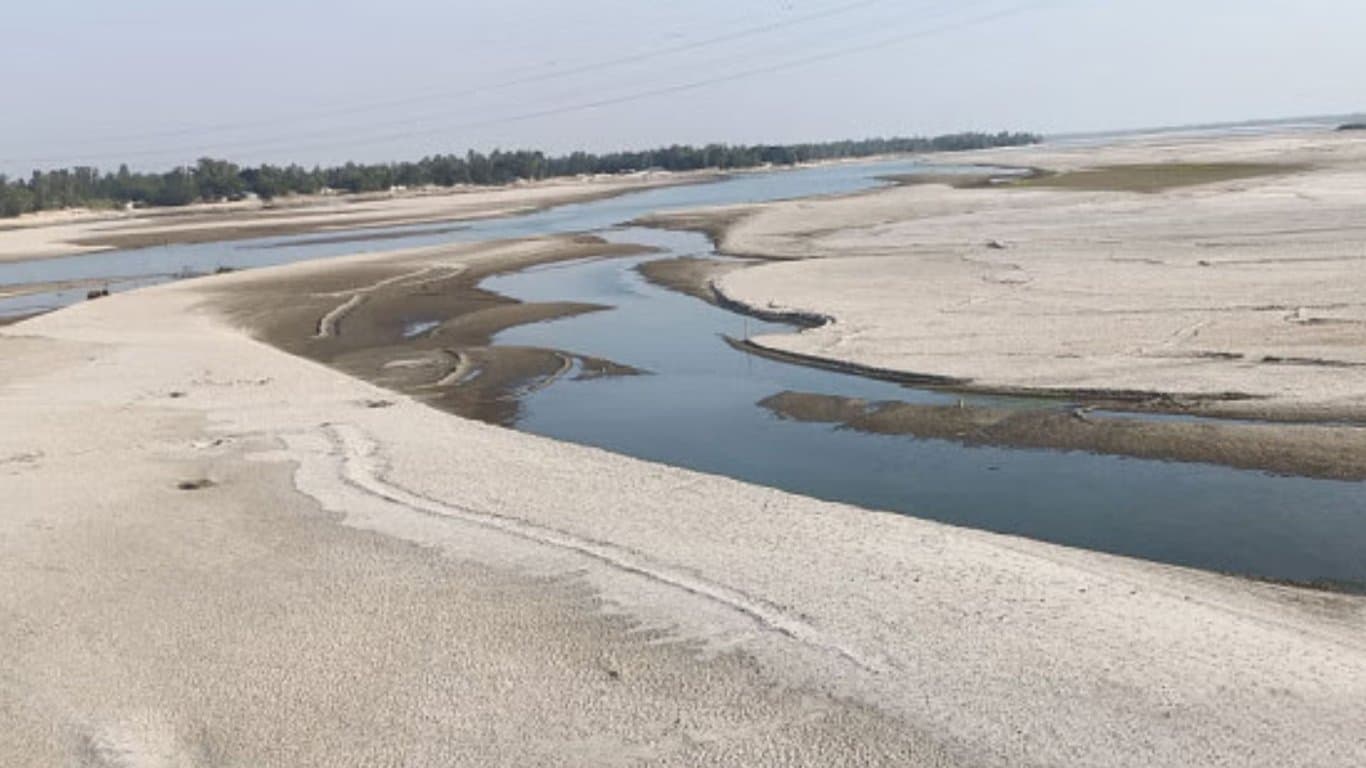

The discussion about rivers is not only limited to the field of geography but also extends to history. In addition to that, perpetual art and literature have been written about the life connected with the rivers of Bengal. In these artistic expressions, the lives of the people of this region have vividly emerged. Bangladesh is a riverine country. The life of the country is rivers, canals and reservoirs. However, Deep concerns have been raised about the future of these water resources.
Due to the dams constructed by the Indian government on the rivers beyond our borders, we are experiencing a water crisis in our rivers. On the flip side, unrestricted encroachment and intrusion into rivers, canals, and reservoirs within the country are disrupting the natural water flow. Furthermore, the biodiversity of rivers, canals, and water bodies is now under threat due to pollution from various industrial waste. As a result, many rivers, canals, and water bodies are disappearing from the country's map, signaling an ominous future for the nation.
In the district of Naogaon, the flowing rivers include Atrai, Choto Jamuna, Tulsi Ganga, Nagar, Shib, Fokirni, and Punarbhaba. Locals say that these rivers used to have much more vitality in the past. This was the livelihood source for thousands of people. People on both banks of the river used the water for irrigating their crops. Now, it's just a memory. Throughout the year, there is water for only about three to four months. After that, the riverbed turns into dry sandy land. At the onset of the dry season, the rivers become almost waterless.
Not very long ago, even in the 1980s, these rivers had a vibrant life. The rippling and roaring of the rivers touched the hearts of people. Countless boats used to sail on the rivers. Accompanied by the tunes of country songs, boats sailed through the central business centers of various districts and sub-districts. Big markets had sprung up in different places surrounded by these rivers. Although sorrowful, it is true that, like Atrai and Choto Jamuna rivers, countless rivers in the country have been drying up year after year since the 1990s. Now the situation has reached a point where it seems like some rivers have completely disappeared. And some have transformed into narrow, dried-up channels. In many places, land grabbers of a class are illegally occupying the rivers, causing widespread encroachment. Competitions are ongoing for sand extraction and cutting embankments for the sale of soil in various places.
Experts say that the majority of rivers flowing through Bangladesh originate in India. Factors contributing to the crisis of these rivers include water diversion by dams within India, reduced rainfall in the upstream areas, sedimentation causing land deposition, excessive use of groundwater, and climate change. On the other hand, various studies say that 81 species of endangered plants may be lost in the future if the continuous encroachment and pollution of rivers inside the country is not stopped. Apart from that, due to river pollution, people may suffer in one way or another. Especially, the waste from industries and factories can be highly detrimental to human health. The use of contaminated water can lead to diseases such as skin infections, typhoid, jaundice, or hepatitis.
However, we have observed weaknesses in the effective implementation of laws such as the 'National River Conservation Commission Act' and the 'Environmental Conservation Act' in the country. The reasons behind this are reported in various news sources, indicating that entities or individuals involved in river encroachment and pollution hold political and economic influence. Therefore, it is crucial for the government and relevant authorities to take proactive measures in river and environmental conservation. If not, we will be adversely affected as much as the environment. Therefore, it is urgently necessary to protect rivers by implementing dredging of riverbeds, conserving water through rubber dams, and minimizing the use of groundwater.
Leave A Comment
You need login first to leave a comment