
Thousands of migrants, including Bangladeshis, stranded in Spain’s Ceuta amid asylum uncertainty
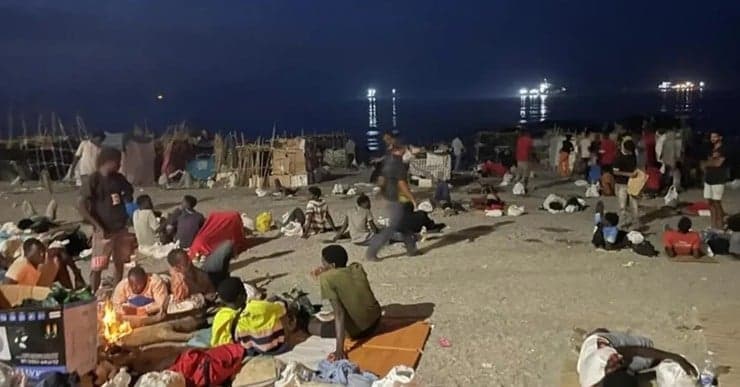

Thousands of migrants, including Bangladeshis, remain stranded in Spain’s North African enclave of Ceuta more than two weeks after a major influx from Morocco, leaving many facing precarious living conditions and uncertainty over their asylum claims and future.
Estimates from international media reports put the number of migrants still in Ceuta at between 5,000 and 8,000. They include people from the Middle East, North and sub-Saharan Africa, South Asia and other regions.
The latest influx occurred on July 29 and 30, when more than 72,000 people temporarily entered Ceuta from Morocco. Most later returned voluntarily to Morocco, but several thousand remained in the Spanish territory. Spanish and Moroccan authorities have reported at least 94 deaths linked to the mass crossing.
Those still in Ceuta include nationals of Iraq, Syria, Yemen, Palestine, Egypt, Algeria, Tunisia, Morocco, Sudan, Nigeria, Senegal, Bangladesh and India.
Many migrants have been sheltering in makeshift camps along El Tarajal beach, using straw, clothing, cardboard and other materials to construct rudimentary shelters. With accommodation facilities under severe pressure, some have been forced to sleep in the open, while access to food and clean water remains a concern.
Several migrants said they had endured long and dangerous journeys in the hope of reaching Europe and securing a safer life. Some crossed through Morocco, while others reached Ceuta by sea. Many now want the opportunity to apply for asylum and remain in Spain legally.
Those fleeing conflict and instability in their home countries are particularly seeking protection through Spain’s asylum system. Under Spanish law, once a person formally applies for asylum, removal proceedings are suspended while the claim is being considered. However, submitting an application does not guarantee refugee or asylum status.
The influx has also placed heavy pressure on Ceuta’s healthcare and accommodation systems. Spanish Health Minister Mónica García said around 5,800 migrants had received medical care over the past 15 days, with demand for emergency treatment rising by about 50%. At least 28 people remain hospitalized, according to the minister.
Hundreds of migrants demonstrated in Ceuta on Sunday, calling for their legal status to be clarified and demanding access to the asylum process.
Authorities have meanwhile tightened security. Spain has deployed more than 500 additional security personnel to Ceuta, taking the total number of security forces there to more than 1,600. Morocco has also strengthened security along its side of the border to prevent another large-scale influx.
The situation has put Ceuta at the centre of renewed pressure over migration management, asylum access and the humanitarian treatment of people seeking entry into Europe.
Leave A Comment